
Citroën Revives 2CV Icon as €15,000 Electric City Car for 2028
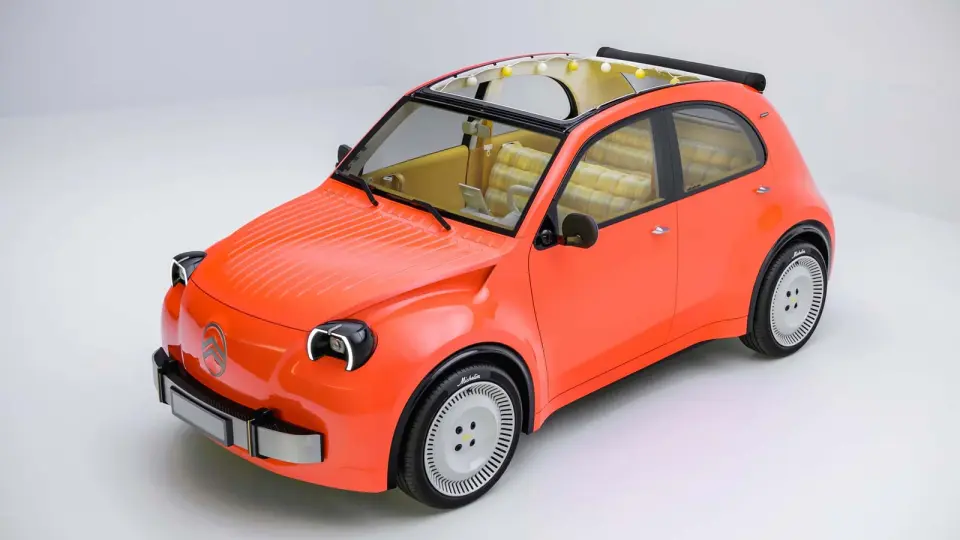
Citroën has unveiled an electric concept version of its iconic 2CV at the 2026 Paris Motor Show, signaling a production launch by 2028. The vehicle targets a starting price of €15,000, aiming to undercut the Renault Twingo E-Tech by approximately €4,500. With a weight target of 1,000 kg and retro styling, the car is designed to compete with Chinese EVs by leveraging brand heritage while offering an affordable, European-built option.
Key points
- The 2CV Concept was unveiled at the 2026 Paris Motor Show, with a production model targeted for 2028.
- Citroën aims for a starting price of €15,000, which is roughly €4,500 lower than the Renault Twingo E-Tech.
- The vehicle is designed to weigh approximately 1,000 kg to allow for a smaller, more affordable battery.
- Styling retains retro cues like round headlights and a curved roof, but includes modern features like a 'Smart Vision Display' and LED lighting.
- The project is part of Stellantis' FaSTLAne 2030 strategy to combat competition from Chinese manufacturers using heritage branding.
Background
The original 2CV was launched in 1948 as a cheap, robust vehicle for French farmers, remaining in production for over 40 years. It became a cultural icon, associated with counter-culture and simplicity. Recent archive coverage from October 2026 noted that European manufacturers are increasingly using retro styling to differentiate their electric vehicles from new Chinese brands, which lack historical legacy. This move follows similar strategies by Renault with its 5 and Twingo models, which have seen strong sales and positive reviews.
How outlets are covering it
InsideEVs emphasizes the practical affordability and weight targets of the new 2CV, noting that while battery specs are undisclosed, the low price point is the key selling point. The outlet highlights the contrast between the concept's 19-inch steel wheels and the car's intended simplicity. BBC focuses on the broader industry trend of 'retro-nostalgia' as a marketing tool, citing experts who argue that heritage is a weapon against Chinese EVs that cannot replicate historical design cues. Stellantis frames the launch as part of its FaSTLAne 2030 strategy, with CEO Antonio Filosa describing the concept as a way to make people 'fall in love with cars again' through bold design and innovation. While InsideEVs questions the practicality of large wheels on a cheap car, BBC and Stellantis view the heritage connection as a critical competitive advantage in a market dominated by Chinese manufacturers.
Why it matters
The launch of the electric 2CV signals a shift in European automotive strategy, moving from pure technological innovation to heritage-driven marketing to retain market share against aggressive Chinese competitors. If Citroën can successfully deliver a €15,000 EV, it could redefine the price floor for electric vehicles in Europe, potentially influencing regulatory frameworks like the proposed M1E category for affordable EVs. This move also highlights the growing importance of brand identity and nostalgia in consumer decision-making for electric vehicles, suggesting that legacy brands may have a structural advantage over new entrants in the European market.
What to watch
Citroën is expected to reveal more details on the production model's battery capacity, range, and charging speeds in the coming months. The production version is targeted for 2028, with the company aiming to meet future European E-Car regulations. Stellantis plans to launch more than 50 products by 2030 as part of its FaSTLAne 2030 strategy, with the 2CV serving as a key entry-level model to expand market coverage in Europe by 25%.
- Citroen Is Finally Bringing Back The 2CV. And I’m Here For It InsideEVs
- Citroen revives the 2CV for an electric age BBC
- Stellantis bets on small affordable EVs for European comeback Reuters
- At Paris show, Stellantis seeks to prove its revival in Europe is real Automotive News
- Stellantis Unveils Six Concept Cars “The Night Before” the Paris Motor Show Media Stellantis
Want the full story? Read the original reporting
Read on InsideEVs