
Oil Prices Retreat as Sanctions Easing Meets New Russian Infrastructure Strikes
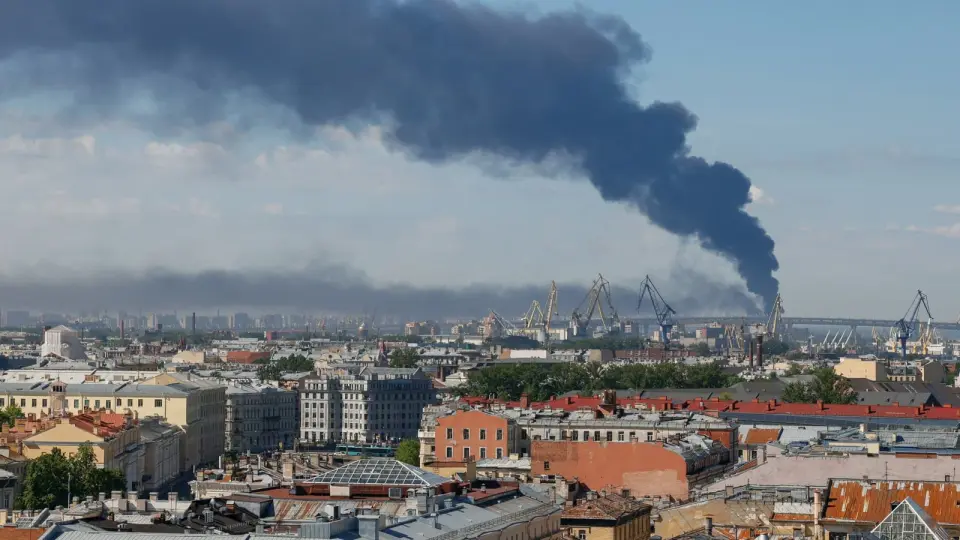
Crude oil prices declined on Monday as traders weighed potential supply increases from eased US sanctions on Russian energy buyers against fresh disruptions in the Middle East and Russia. Brent crude fell 1.8% to $107.88, while WTI dropped 1.1% to $100.25. The move follows a sharp weekly rally in WTI driven by unexpected US inventory draws, even as geopolitical risks persist.
Key points
- Brent crude futures fell 1.8% to $107.88 per barrel, and WTI dropped 1.1% to $100.25 on Monday.
- US President Donald Trump invoked national interest to suspend new duties on Russian energy buyers, raising hopes of increased supply.
- Ukraine launched drone strikes on a St. Petersburg oil terminal on Sunday, causing fires and potentially disrupting exports of 120,000 barrels per day.
- Two tankers were attacked in the Persian Gulf off Saudi Arabia, with Iran escalating attacks to choke off crude exports.
- WTI had surged 6.46% earlier in the week after the EIA reported a massive 8.6 million barrel drop in US crude inventories.
Background
Oil markets have been volatile since September, with Brent approaching $100 due to Middle East tensions and Houthi attacks on Saudi infrastructure. In late September, Saudi Arabia restarted its East-West pipeline, briefly easing supply fears. However, prices spiked above $110 in mid-October after a US-Russia diesel deal collapsed and Iranian attacks on the Strait of Hormuz intensified. The current price action reflects a tug-of-war between these supply risks and new diplomatic efforts to increase Russian exports.
How outlets are covering it
CNBC emphasizes the immediate price drop driven by the US decision to suspend duties on Russian energy buyers, framing it as a potential supply boost. However, it notes that this optimism is clouded by Ukrainian strikes on Russian refineries and Iranian attacks on tankers. OilPrice.com provides a broader technical and inventory perspective, highlighting that WTI outperformed Brent earlier in the week due to a surprisingly large US inventory draw of 8.6 million barrels, which outweighed emergency stock releases from the IEA. While CNBC focuses on the geopolitical shift in sanctions, OilPrice.com stresses that physical supply constraints and inventory levels remain the primary drivers of the US benchmark, even as global risks persist.
Why it matters
The interplay between diplomatic sanctions relief and physical infrastructure attacks creates significant uncertainty for global energy markets. If Russian supply increases as hoped, it could mitigate the impact of Middle East disruptions, but the recent strikes on Russian terminals and tankers suggest that physical supply risks remain high. This volatility directly impacts global inflation, fuel costs, and economic stability, particularly as the IEA continues to manage emergency stock releases to stabilize markets.
What to watch
Traders will monitor the extent of damage to the St. Petersburg oil terminal and any further Ukrainian strikes on Russian energy facilities. In the Middle East, the response to tanker attacks in the Persian Gulf and any escalation in the Saudi-Houthi conflict will be critical. Additionally, the market will watch for further developments in US-Russia energy negotiations and the impact of the IEA's accelerated diesel releases on global supply levels.
- Brent crude hovers near $109 a barrel as Ukraine resumes energy strikes, tankers attacked in Middle East CNBC
- Brent Crude Holds Near $110 on Mideast and Ukraine Conflicts Bloomberg.com
- Energy & Utilities Roundup: Market Talk WSJ
- WTI Outpaces Brent as U.S. Crude Draw Ignites Fresh Buying Crude Oil Prices Today | OilPrice.com
- Oil touches $110 a barrel for first time since May on Middle East, Russia supply fears Reuters
Want the full story? Read the original reporting
Read on CNBC