
Saudi Arabia Resumes Red Sea Oil Loadings Amid Pipeline Recovery
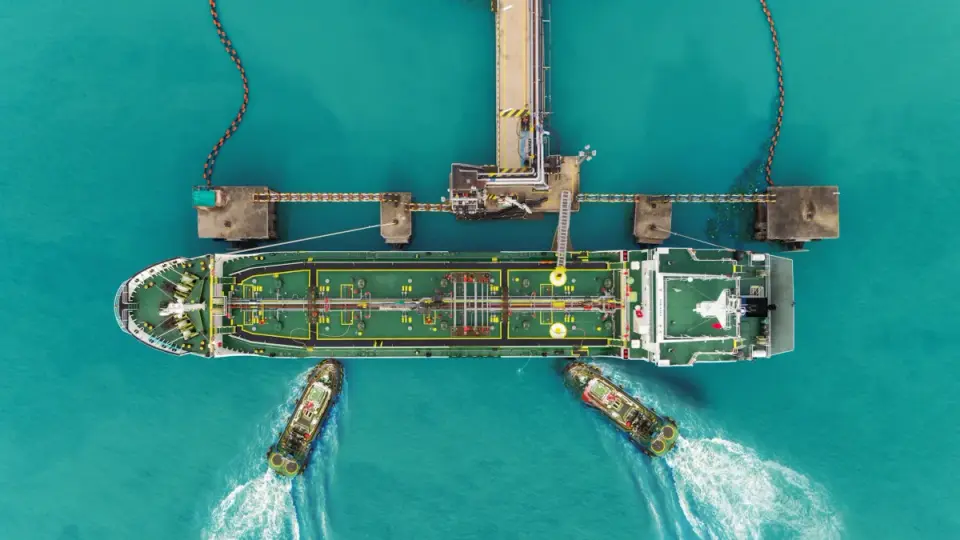
Saudi Arabia has restarted crude oil loadings at the Yanbu port on the Red Sea following the partial resumption of the East-West pipeline, which was shut down for two weeks after drone attacks on September 10. While full pipeline capacity of 4 million barrels per day remains weeks away, current loadings at Yanbu and the Al Muajjiz terminal have reached approximately 2 million barrels per day. This development helps ease a regional supply crunch, though concerns persist regarding Houthi threats to Red Sea shipping and the broader instability in the Middle East.
Key points
- The East-West pipeline resumed partial service last Thursday after a two-week shutdown caused by drone damage to pumping stations.
- Crude loadings at Yanbu and Al Muajjiz have reached approximately 2 million barrels per day, according to trade sources.
- Aramco has notified customers regarding October loading schedules, signaling a return to normal operations.
- Satellite data indicates nearly 10 million barrels of crude were loaded at Red Sea terminals recently.
- Middle East crude exports have rebounded to 12.8 million barrels per day in September, aided by ship-to-ship transfers in the Gulf of Oman.
Background
This development follows a series of escalating tensions in the Red Sea, including Houthi seizures of coastal territories in late September and missile strikes on Saudi cities like Yanbu and Taif. Earlier in September, Saudi Arabia signaled the intent to restart the pipeline, and in August, Houthi attacks on tankers near Yanbu highlighted the risks to maritime shipping. The current restart is a critical step in stabilizing global oil supply after these disruptions.
How outlets are covering it
OilPrice.com emphasizes the operational success of the pipeline restart and the immediate relief to supply crunches, citing specific loading figures and Aramco’s customer notifications. CNBC, however, focuses on the broader geopolitical context, highlighting that oil prices jumped after U.S. President Donald Trump rejected an Iranian peace proposal, suggesting that while Saudi logistics are improving, the underlying conflict and potential for further strikes remain unresolved. The two sources agree on the supply impact but differ in their emphasis on the fragility of the situation due to ongoing diplomatic and military tensions.
Why it matters
The resumption of Red Sea loadings is vital for global energy markets as it reduces reliance on the Strait of Hormuz, a chokepoint currently affected by conflict. It helps stabilize prices and ensures continued flow of crude to global markets, particularly in Asia and Europe, despite the volatile security environment in the Middle East.
What to watch
Full resumption of the East-West pipeline’s 4 million barrels per day capacity is expected to take several more weeks. Markets will continue to monitor Houthi activities and diplomatic developments between the U.S. and Iran, which could impact shipping routes and oil prices in the coming months.
- Saudi Arabia Restarts Red Sea Crude Oil Loadings oilprice.com
- Middle East Oil Exports Rebound as Iran’s Chokehold on Hormuz Breaks Down WSJ
- Tankers Are Loading Oil Again From a Vital Saudi Pipeline The New York Times
- Oil prices off highs after reports Saudi pipeline ramping back up CNBC
- Saudi Arabia resumes Yanbu oil loading after pipeline restart Reuters
Want the full story? Read the original reporting
Read on oilprice.com