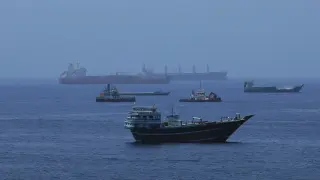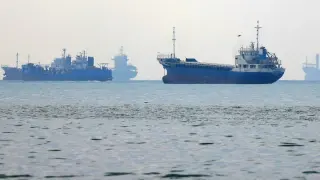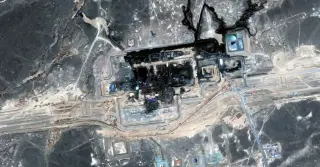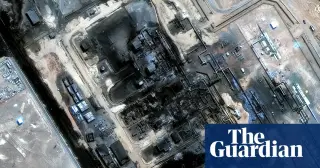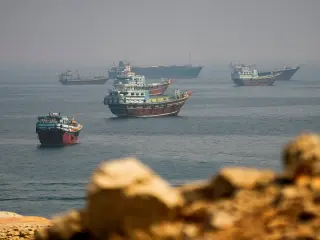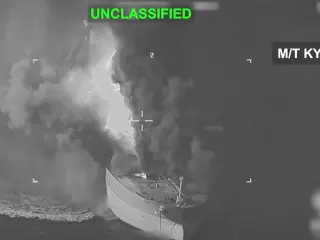
A vessel anchored near Fujairah was seized and directed toward Iran, while an Indian-flagged cargo ship near Oman sunk after an attack, as Iran reiterates claims over the Strait of Hormuz amid ongoing U.S.-Iran tensions that threaten global oil flows.
Project Freedom, Washington’s bid to shepherd ships through the Strait of Hormuz, lasted 48 hours and moved only two vessels. About 1,600 ships remain trapped as ongoing fighting and high insurance risk deter transit; Maersk confirmed one outbound, but most lines remain cautious about sailing through the strait without a durable peace. The IMO warns naval escorts are not a sustainable long‑term solution, and costly insurance constraints amplify the risk. With the US and Iran edging toward ending the war and Iran creating a Persian Gulf Strait Authority to regulate passage (a move the US disputes), shippers face uncertain, expensive prospects and are waiting for real safety guarantees before resuming regular transit.)
Oil prices rose more than 2% after stalled US-Iran ceasefire talks, with Brent crude around $106.99 a barrel as diplomacy falters and Tehran threatens shipping in the Strait of Hormuz, underscoring risks to a large portion of global oil and gas supply while Asian stocks opened higher.
The IEA warns that the Middle East war and the Strait of Hormuz closure have created the world’s largest energy-security threat in history, with about 13 million barrels per day of oil already lost and a 10.1 million bpd drop in global oil supply to 97 million bpd in March; even the 400 million barrel emergency stock release cannot offset the shortfall, and the cure would be reopening Hormuz, signaling persistent high prices and volatility even if normal conditions return.
IMF chief Kristalina Georgieva warns the world economy is being tested by a large energy-price shock from Middle East tensions, saying everyone will feel the pain and urging governments not to cushion demand with subsidies. Amid the turmoil, UK February GDP rose 0.5%—suggesting momentum before the conflict weighed on prospects—while Europe faces warnings of jet-fuel shortages as energy costs surge. The disruption shows up across markets and firms, from airline cutbacks to Nigeria’s Dangote refinery boosting jet-fuel exports, highlighting the global spillovers of the energy squeeze.
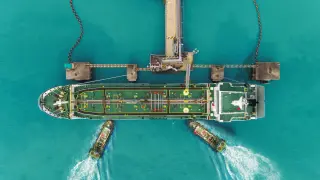
With the last pre-war oil tankers set to unload by April 20, analysts warn Europe and the U.S. could face physical oil shortages in weeks as spot cargoes surge and refiners rush to secure supply amid geopolitical tensions and a cautious naval environment.
Two U.S. Navy destroyers crossed the Strait of Hormuz to begin mine-clearing operations, with additional assets to follow, CENTCOM said. The maneuver coincides with ongoing U.S.-Iran discussions in Islamabad—the first direct talks since 1979—while President Trump touted the effort and analysts warn the strait’s mines could keep global oil shipments disrupted for months despite a ceasefire.
Analysts warn that a war with Iran could escalate, with a six-week timetable called the 'TACO' deadline potentially driving ground actions, control of Hormuz and Kharg Island, and heightened oil-market volatility and investor angst.
Amid the US-Israel war on Iran, Tehran says the Strait of Hormuz is open to all vessels except the US and its allies, with the IRGC warning it would burn any crossing ships. Several vessels have been allowed to pass: a Pakistani-flag tanker, two Indian tankers, and a Turkish-owned ship after Tehran’s permission; China is in talks to secure passage for crude and LNG, while France and Italy have sought access. Oil prices surged above $100 as markets weighed potential disruption, and Western allies signaled limited willingness to join a naval effort to keep the strait open, despite Trump’s call for a coalition.
EU foreign policy chief Kaja Kallas says there is no appetite among member states to extend the Aspides naval mission to the Strait of Hormuz, preferring to strengthen it within its current area; several ministers voiced reluctance to commit to a Hormuz mandate despite US pressure as Europe weighs protecting global oil supplies and security in a tense region.
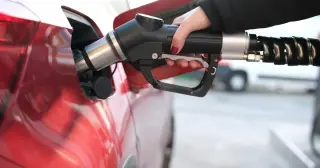
Energy Secretary Chris Wright says Americans could see gas prices dip below $3 per gallon by summer as the Iran conflict risks lessen, with a few weeks of relief anticipated; current averages hovered around $3.70/gal, while the Strait of Hormuz remains unsafe and U.S. efforts aim to reopen it amid ongoing strikes on Iranian targets.
US forces say they destroyed 16 Iranian mine-laying vessels near the Strait of Hormuz amid rising fears Iran has laid mines and could threaten global oil shipments; the briefing also notes Iran’s leadership health questions, vulnerable Filipino workers in the Middle East, and a mix of other regional and domestic stories.
Three cargo ships were struck by suspected projectiles off Iran’s coast in the Strait of Hormuz. One vessel about 11 nautical miles north of Oman caught fire and evacuated its crew; another was hit roughly 50 nautical miles northwest of Dubai; a third was damaged off the UAE. The UKMTO cautioned vessels to transit carefully as incidents mount after US/Israel airstrikes on Iran, with the Strait handling about 20% of global oil and gas.
Iran's Revolutionary Guard warned that ships passing through the Strait of Hormuz could be set ablaze, triggering a near-standstill in traffic at the chokepoint and threatening roughly a fifth of global crude supply. Tanker volumes have plunged, insurers pulled back, and several Gulf producers have cut output as shipping firms suspend bookings. The disruption has pushed Brent above $90 and gasoline prices higher—especially in California—while a U.S. plan to insure and possibly escort ships faces feasibility questions. Stores and existing tankers offer some cushion, but a longer conflict could squeeze energy supplies and global GDP.
President Trump said the U.S. International Development Finance Corporation will provide political risk insurance to back ships through the Persian Gulf to maintain oil flows amid the Iran conflict. The DFC will underwrite coverage for shipping charterers, shipowners, and insurers to stabilize commerce, but questions remain about the geographic scope, the cost, and potential taxpayer exposure if payouts occur as global insurers pull back from Gulf coverage. Analysts warn large exposure could require legislative changes, and the White House did not comment.