
Solar Power Overtakes Nuclear Globally as Costs Plunge and Adoption Surges
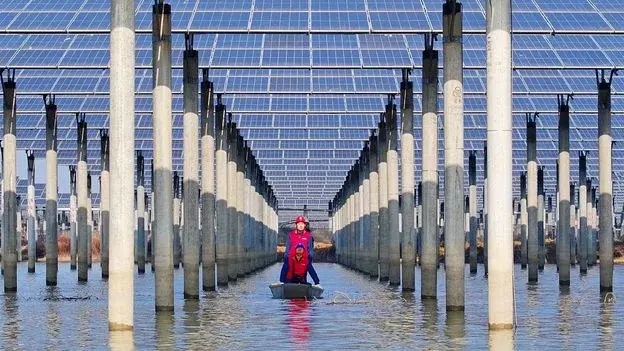
Solar power has surpassed nuclear energy as a global electricity source, reaching 10% of world supply in 2026. This shift is driven by record-low panel prices, rapid adoption in China and the US, and battery advancements. While growth may slow slightly in China, global demand remains high, with solar expected to become the third-largest power source by 2030.
Key points
- Solar generation exceeded nuclear power in 2025 and is projected to produce 13% more electricity in 2026, according to Ember data.
- Panel prices have fallen below $100, making solar the cheapest electricity source in history, aided by Chinese manufacturing scale and overcapacity.
- The US remains the second-largest installer despite tariffs, with solar powering over one-third of households; India has met 60% of its power demand growth with new solar.
- Battery costs have dropped significantly, allowing solar-plus-storage systems to be cheaper than new fossil fuel plants in sunny regions.
- Unreliable fossil fuel grids and high diesel prices in countries like Pakistan and Lebanon have accelerated rooftop solar adoption among households.
- China’s recent policy changes may slow installation rates in 2026, but global installations excluding China are increasing.
Background
Previous coverage noted the rise of space-based solar power concepts and the integration of solar systems in luxury travel trailers, highlighting the technology's expanding applications beyond utility-scale grids. The current surge in terrestrial solar adoption contrasts with earlier projections that underestimated its pace, marking a significant shift in global energy infrastructure.
Why it matters
The rapid dominance of solar power signals a fundamental shift in global energy economics, reducing reliance on fossil fuels and nuclear infrastructure. This transition impacts climate goals, energy security, and international trade dynamics, particularly regarding Chinese manufacturing. As solar becomes the primary driver of new electricity capacity, it reshapes grid stability, investment patterns, and the viability of electrification efforts worldwide.
What to watch
Analysts expect solar capacity to continue rising, though the rate of expansion may slow in China due to regulatory changes. The focus will shift to grid integration, long-duration storage, and managing the strain of increased electrification. If Chinese panel imports remain accessible, global adoption is likely to accelerate, potentially reaching double the 2025 generation levels by 2030.
Want the full story? Read the original reporting
Read on BBC