EU energy commissioner Dan Jørgensen warns of a prolonged energy crisis tied to the Gulf conflict and urges Europe to work from home, drive and fly less, and accelerate renewables, following IEA guidance; ministers produced no concrete proposals yet, but a package of EU measures is expected soon.
About 30 onshore wind projects totaling roughly 7.5 GW are stalled by Pentagon mitigation reviews, delaying turbines over radar and aviation concerns. The American Clean Power Association is pressuring for explanations, highlighting how the delays feed the broader fight over permitting reform and wind-energy policy.
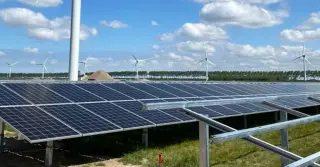
The Iran-related energy shock is likely to hasten the world’s move away from fossil fuels toward renewables and electrification, as high prices and supply fears push more investment into clean energy, storage, and grid upgrades. Renewables already drove the majority of new power capacity last year (led by solar), and electrified transport could cut oil imports by hundreds of billions annually, though near-term subsidies for fossil fuels and coal prospects could temper the pace.
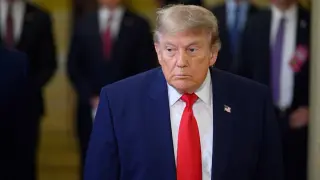
The Iran war is lifting crude prices above $100 a barrel and highlighting US exposure to supply shocks, with experts arguing that Donald Trump’s ongoing hostility to renewable energy could make American consumers the immediate losers and accelerating calls for domestic green energy to cushion volatility.
The Iran war disrupts key oil routes through the Strait of Hormuz, lifting prices and straining import-dependent economies, while renewables become cheaper and more widespread, cushioning some shocks. China and India have expanded renewables, reducing import reliance, but Europe and other rich nations intensified fossil-fuel imports, slowing the transition. Poorer countries face price shocks and supply risks, with Africa and parts of Asia bearing the brunt, though some nations are expanding clean energy to build long-term security. The crisis underscores the need to accelerate the shift to clean energy rather than doubling down on fossil fuels.
Most U.S. states saw higher electricity bills than last year, driven by weather-driven demand, higher natural gas costs, and state energy policies that push generation toward low- or zero-emission sources, gradually moving away from coal and natural gas toward wind and solar, with ongoing supply constraints contributing to broader price increases.
Europe’s energy prices spiked after strikes on Iran, prompting a broad push to accelerate the shift from imported fossil fuels to domestic renewables and stronger grids, with renewables now near half of EU electricity and leaders arguing faster electrification is key to reduce dependency and shield the bloc from volatile fossil fuel prices.
UNFCCC Executive Secretary Simon Stiell warns that fossil-fuel dependence undermines national security and raises costs, while expanding renewables can insulate countries from global energy turmoil, citing Spain’s wind/solar growth and EU efforts to speed a low-carbon transition amid volatile prices.
Iran's war is disrupting oil and gas supplies and driving up energy prices, prompting a mixed boost for cleaner energy in some regions while keeping coal in play in others. Higher prices could accelerate renewables and EV adoption to hedge against gas spikes, but the outcome remains messy and uneven rather than a straightforward shift to clean energy.
A thought experiment imagines the US–Israel–Iran crisis unfolding in a world powered largely by wind, solar and batteries. In this renewables-dominated system, energy is more domestically produced, transportation is electric, and heating relies on local renewables, muting the oil-price spike and inflation seen today. The immediate macro shock would be weaker, with oil still traded but less central to daily energy use; electricity would largely continue, and household bills would be more stable. Geopolitics would shift from controlling oil chokepoints to managing diversified, distributed grids and supply chains for minerals like lithium, cobalt and rare earths, which could create new chokepoints in processing hubs and semiconductor plants. Community consent and stronger environmental standards would give local actors greater leverage over projects. Overall, decarbonisation could yield greater energy resilience and geopolitical stability, but energy security would still be contested, now around minerals and domestic grid resilience rather than a single strait like Hormuz.
In western Ukraine’s Ust-Chorna, a trio of micro-hydroelectric plants has kept the village’s lights on through wartime blackouts, illustrating both the promise and limits of Ukraine’s shift to decentralized green energy. While residents benefit from reliable power and potential new income from small producers, debates over electricity prices, environmental impact, and the durability of government incentives linger as Kyiv nudges more communities toward local, renewable generation amid ongoing attacks on centralized grids.
At a closed-door IEA ministerial in Paris, U.S. Energy Secretary Chris Wright urged the agency to abandon net-zero emissions scenarios, arguing such targets are unrealistic. The push drew muted pushback as European ministers stressed continued renewables expansion; Wright’s hardline rhetoric has faced rejection from several countries, and talks on the issue will continue.
Michigan Attorney General Dana Nessel filed a federal-state antitrust lawsuit against BP, Chevron, ExxonMobil, Shell and the American Petroleum Institute, accusing a cartel-like conspiracy to delay the adoption of cleaner technologies (solar power and electric vehicles) to protect fossil fuels and keep energy costs high. The complaint frames an antitrust violation rather than climate misinformation, but experts say proving an actual agreement and damages will be challenging and could hinge on discovery; the suit faces potential motions to dismiss and questions of timing. The case echoes other climate lawsuits and comes amid a broader push in Congress for liability shields for oil interests.
Britain awarded a record 4.9GW to 157 solar projects in a renewables auction (also funding onshore wind and tidal bids) as part of a push to hit about 45-47GW of solar by 2030 and expand storage, while local opposition to large solar farms and lingering questions about meeting the 2030 clean-power target persist; the package includes plans for a Local Power Plan and up to £1bn for local energy projects to empower communities.
Elon Musk used his Davos debut to say U.S. tariffs on solar products raise costs and hinder solar deployment, urging policy changes to accelerate clean energy adoption.