
St. Lucie Unit 1 Halts Operations After Control Rods Drop
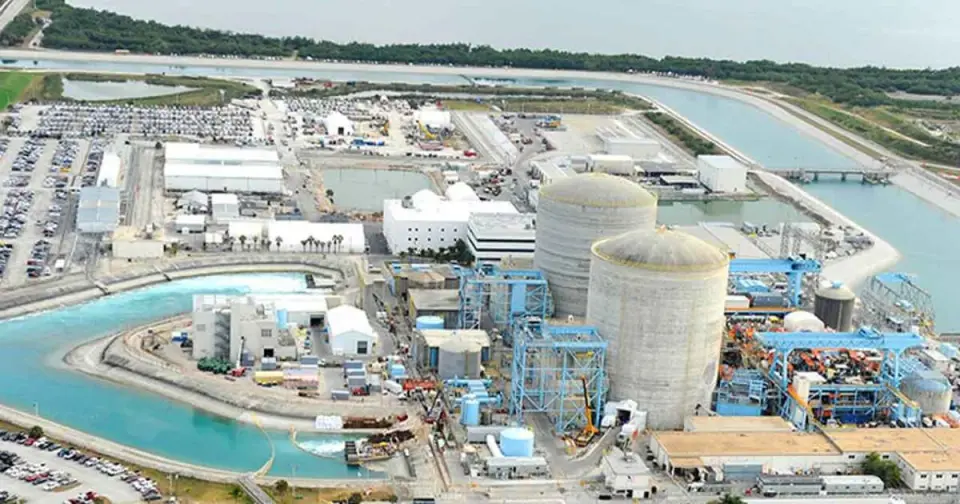
St. Lucie Nuclear Power Plant Unit 1 was manually shut down on August 13, 2026, after three control rods dropped into the reactor core. The Nuclear Regulatory Commission classified the event as a non-emergency, with all systems responding normally. The plant stabilized in Mode 3 (Hot Standby), and Unit 2 remained unaffected.
Key points
- Unit 1 was manually tripped at 9:47 a.m. EDT on August 13, 2026, while operating at 100% power.
- The shutdown was triggered by three control rods dropping into the reactor core.
- The Nuclear Regulatory Commission (NRC) classified the incident as a non-emergency.
- The plant stabilized in Mode 3, known as Hot Standby, with decay heat removed via turbine bypass valves and main feedwater.
- Unit 2 at the St. Lucie facility was not affected by the incident.
Background
This incident follows recent global nuclear disruptions, including the shutdown of Hungary's Paks plant and Romania's Cernavodă facility due to Danube droughts in early August 2026. While those events were driven by cooling water shortages, the St. Lucie shutdown was a mechanical control rod issue. Prior to this event, licenses for both St. Lucie units had been renewed, and local siren tests were scheduled as routine maintenance.
Why it matters
The incident highlights the operational safety protocols of Florida Power & Light's St. Lucie facility. Although classified as a non-emergency, the manual trip of a reactor at full power requires immediate stabilization and regulatory notification, underscoring the importance of automated safety systems in nuclear operations.
What to watch
The NRC will monitor the plant's status as it remains shut down. Florida Power & Light will likely conduct an investigation to determine the cause of the control rod drop and ensure the plant meets safety standards before restarting Unit 1.
Want the full story? Read the original reporting
Read on WPTV