
TRISO-X Completes Core Structure for Tennessee Nuclear Fuel Plant, Targets 2028 Production
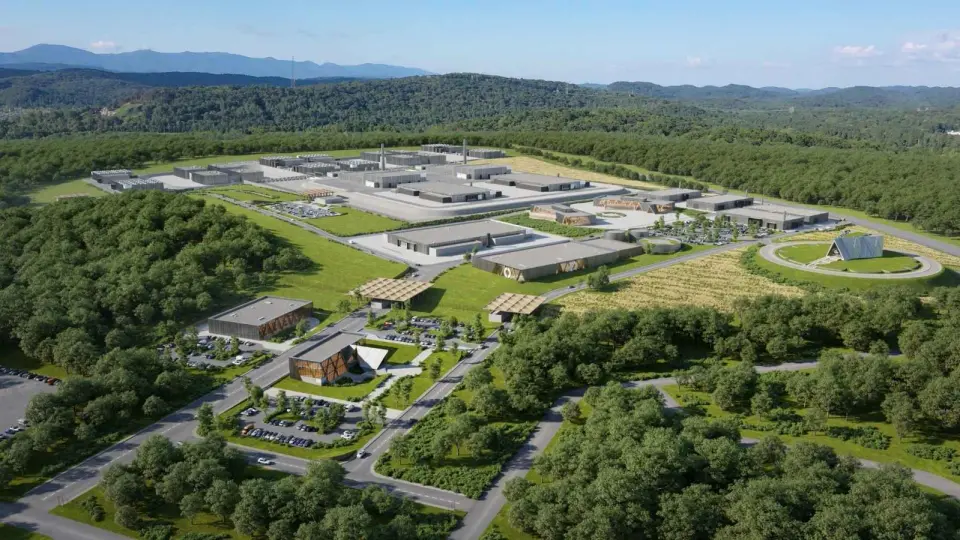
TRISO-X has finished the vertical construction of its 215,000-square-foot nuclear fuel plant in Oak Ridge, Tennessee, completing the core and shell phase three months behind schedule. The facility is designed to produce 700,000 uranium pebbles annually for up to 11 advanced reactors. While the building envelope is complete, the interior manufacturing equipment has not yet been installed, with production targeted for early 2028.
Key points
- TRISO-X announced on September 24 that the core and shell of its TX-1 facility in Oak Ridge, Tennessee, is complete, finishing the phase three months after the initial mid-2026 target.
- The 215,000-square-foot plant is designed to produce 700,000 TRISO fuel pebbles per year, equivalent to 5 metric tons of uranium, to supply up to 11 X-energy Xe-100 reactors.
- The Nuclear Regulatory Commission granted a 40-year license for the facility in February, covering both the TX-1 plant and the planned larger TX-2 facility, marking the first new license of its kind in 50 years.
- The next phase involves installing interior utilities, manufacturing equipment, and support buildings, with the first fuel production expected in early 2028.
- The facility is expected to employ approximately 500 people and will produce fuel using high-assay low-enriched uranium, enriched between 5% and 20%.
Background
This development follows earlier coverage of X-energy's plans for the Oak Ridge campus, which was previously described as a steel skeleton with a fresh license. The completion of the building envelope marks a transition from construction to the installation of complex manufacturing equipment. The fuel produced is intended for X-energy's Xe-100 reactors, with initial batches earmarked for a project at Dow's Seadrift chemical site in Texas. The facility's licensing and construction progress are part of a broader effort to establish a domestic supply chain for advanced nuclear reactors.
Why it matters
The completion of the core structure is a critical milestone for the US advanced nuclear fuel supply chain, as it moves the project from a conceptual and regulatory phase to a physical construction and equipment installation phase. The facility's ability to produce fuel for multiple reactors is essential for the commercial viability of X-energy's Xe-100 design. The fact that the licensing is complete while the hardware is still being installed indicates a potential for the fuel supply to outpace the construction of the reactors themselves, which could be a strategic advantage or a logistical challenge depending on the pace of reactor deployment.
What to watch
The next steps involve the installation of interior utilities, the fuel fabrication line, and support buildings. The company has not specified a timeline for the arrival of the first fabrication machines or the duration of the interior buildout. The stated target for the first fuel production is early 2028. The progress of the TX-2 plant and the research lab on the same campus will also be monitored, as they are part of the same licensing and grant framework.
Want the full story? Read the original reporting
Read on Autonocion.com