
Wyoming’s Coal Town Splits Over Gates-Backed Nuclear Reactor
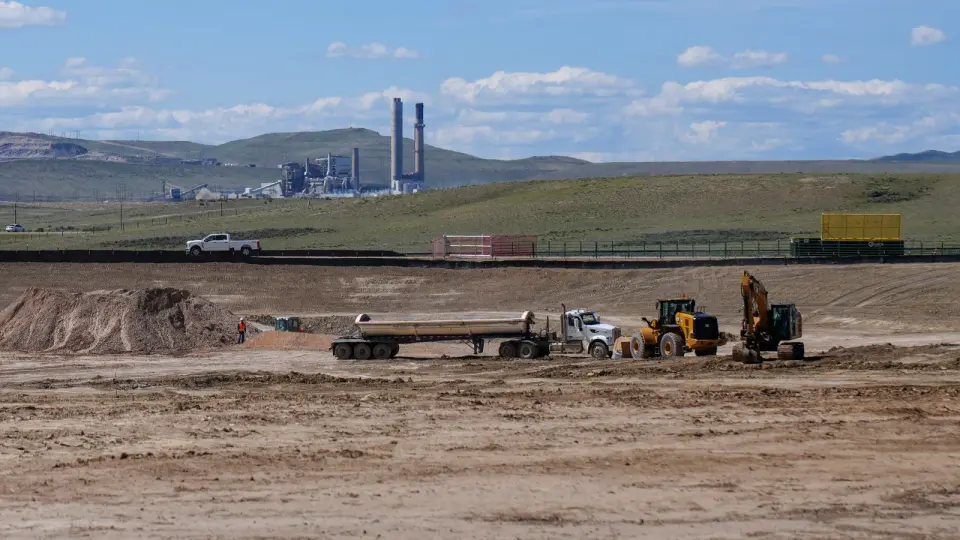
A new small-scale nuclear plant in Kemmerer, Wyoming, is dividing the local community as it replaces declining coal jobs. Backed by Bill Gates and Warren Buffett with $2 billion in taxpayer aid, the TerraPower 'Natrium' reactor aims to power data centers and manufacturers. While some residents welcome the economic boost, others fear safety risks and criticize the reliance on public funds for billionaire projects.
Key points
- TerraPower's Natrium project in Kemmerer, Wyoming, is a small-scale nuclear reactor backed by Bill Gates and Warren Buffett, with $2 billion in taxpayer assistance.
- The plant aims to begin generating electricity within four years, targeting data centers and manufacturers as part of the Trump administration's nuclear expansion goals.
- Local support is divided: some residents welcome new jobs and economic stability as coal mines close, while others oppose the project due to safety concerns and skepticism about billionaire influence.
- Critics argue that nuclear power is unnecessary given the affordability of wind and solar, and worry about radioactive waste storage and potential security vulnerabilities.
- The project is expected to create 1,600 temporary construction jobs and up to 300 permanent operational roles, impacting local businesses and housing.
Background
Wyoming's economy has long relied on coal, which accounts for about 4% of local jobs, but declining demand and environmental concerns are forcing a transition. Previous federal efforts to expand nuclear power, such as the Obama-era Georgia reactors, faced delays and cost overruns, which current proponents cite as reasons for adopting faster, smaller-scale designs. Recent international energy disruptions, including cooling issues for nuclear plants in Europe due to drought, highlight the complexities of nuclear infrastructure, though these are distinct from the domestic challenges in Wyoming.
Why it matters
The Natrium project represents a pivotal test for the U.S. strategy to diversify energy through advanced nuclear technology. Its success or failure will influence future federal investments in nuclear power and the transition away from fossil fuels in rural areas. The debate over public funding for private ventures also raises broader questions about equity and risk in energy policy.
What to watch
Construction of the reactor building is pending, with no nuclear fuel currently on-site. The project is expected to begin generating electricity within four years. Ongoing debates over safety regulations, waste management, and community acceptance will likely shape the rollout of similar small-scale reactors across the U.S.
Want the full story? Read the original reporting
Read on USA Today