
Iran conflict drives slight 2026 fossil fuel drop, but total emissions rise
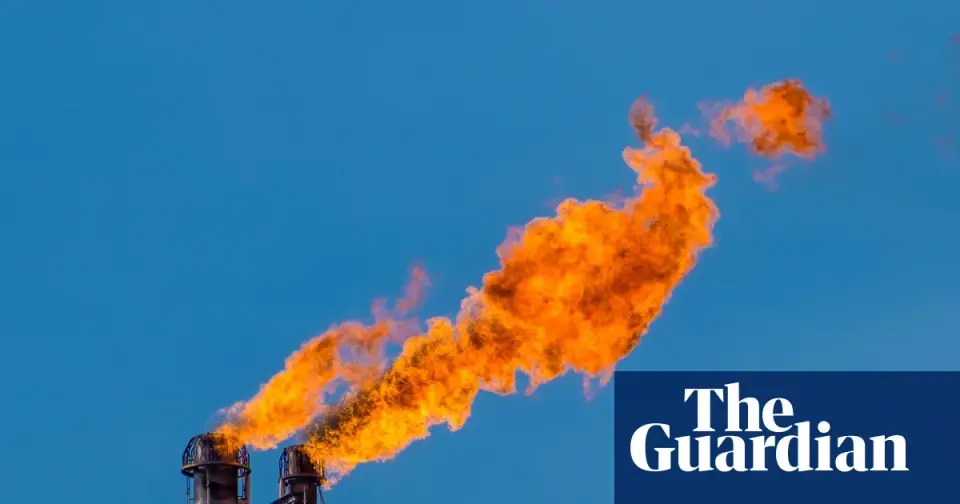
Global fossil fuel emissions fell by 0.4% in 2026, marking the first decline since 2020. This drop was primarily driven by the Iran war and the closure of the Strait of Hormuz, which spiked oil prices and accelerated the shift to electric vehicles and renewables. However, total carbon emissions rose slightly due to increased deforestation and land-use changes. Scientists warn the trend is fragile and not yet a structural peak.
Key points
- Fossil fuel CO2 emissions are forecast to drop 0.4% in 2026, totaling 38.2 billion tonnes, according to the Global Carbon Budget.
- Oil emissions fell by 2% as consumers economized and switched to electric vehicles, while natural gas emissions dropped 0.3%.
- Coal emissions increased by 0.6%, partly due to intensified expansion in India, offsetting some gains from the oil decline.
- Total global carbon emissions rose from 42.8 billion tonnes in 2025 to 43.3 billion tonnes in 2026 due to deforestation and land-use changes.
- The remaining carbon budget for limiting warming to 1.5C is approximately 150 billion tonnes, equivalent to less than four years at current rates.
- China’s emissions likely fell by nearly 1%, while India’s rose by 4.4%, and the US fell by 1.3% despite policy efforts to boost coal.
Background
This development follows a period of record-high fuel costs in the US, where gas prices rose 40% since February 2026 due to the Iran conflict and tariffs, influencing midterm elections and state-level gas tax suspensions. It also occurs amid EU proposals for climate adaptation plans and delays in stricter corporate emissions reporting rules, highlighting ongoing tensions between mitigation efforts and economic pressures.
How outlets are covering it
The Guardian and AP News emphasize that the 0.4% drop in fossil fuel emissions is largely a temporary shock response to the Iran war and Strait of Hormuz closure, rather than a structural shift. Glen Peters of the Cicero Centre notes that oil emissions dropped suddenly, unlike a gradual peak from renewable adoption. The New York Times highlights the role of both the Iran and Russia-Ukraine wars in driving energy prices. Conversely, AP News cites Niklas Höhne of the NewClimate Institute, who argues that permanent shifts are occurring due to electric vehicle adoption in Asia, suggesting a near-term global peak. Bill Hare of Climate Analytics cautions that the 0.4% drop is statistically indistinguishable from zero and warns of imminent overshoot of 1.5C by 2030. The Guardian notes that while China’s emissions may have peaked, India’s coal expansion and US fossil fuel enthusiasm could disrupt the trend. NBC News notes the absence of an official US delegation at COP31, underscoring political divergence on climate action.
Why it matters
The slight drop in fossil fuel emissions offers a glimmer of hope but is overshadowed by rising total emissions from land-use changes. The fragile nature of this decline, driven by geopolitical conflict rather than sustainable policy, underscores the urgency for structural changes in energy systems. With the carbon budget shrinking rapidly, the world faces a critical window to prevent irreversible warming, requiring decisive action beyond temporary shocks.
What to watch
Scientists and policymakers will monitor whether the 2026 drop in fossil fuel emissions persists or rebounds as oil prices stabilize. COP31 in Antalya will focus on whether governments can build on previous commitments to transition away from fossil fuels, particularly given the rollback of climate policies in countries like the US, Canada, and New Zealand. Continued investment in renewables and electric vehicles will be crucial to locking in a permanent peak in global emissions.
- Slight fall in carbon emissions from fossil fuels as Iran war drives renewables push The Guardian
- The Iran War Unexpectedly Drove Down Carbon Emissions This Year The New York Times
- Heat-trapping carbon pollution drops, but scientists cite the Iran war rather than energy progress AP News
- Global Fossil Fuel Emissions Actually Fell in 2026. Don’t Get Used to It Gizmodo
- War in Iran led global emissions to fall this year, research finds NBC News
Want the full story? Read the original reporting
Read on The Guardian