
Moynihan labels Situational Awareness crisis a warning shot for leveraged AI bets
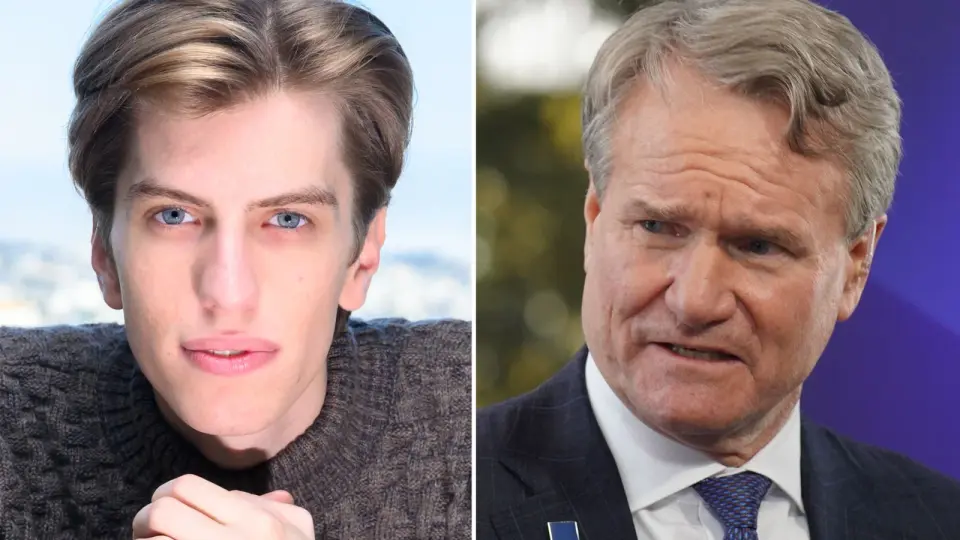
Bank of America CEO Brian Moynihan described the recent near-collapse of hedge fund Situational Awareness as a warning shot for financial markets driven by high valuations and borrowed money. The fund, led by Leopold Aschenbrenner, was forced to sell most of its public equities to Citadel after AI bets soured and margin calls mounted. Moynihan indicated that major prime brokers are now reexamining exposure to highly leveraged firms, though he noted Bank of America would have remained financially stable even without the Citadel intervention.
Key points
- Moynihan stated that elevated valuations and system-wide leverage require caution, calling recent market stress events warning shots.
- Situational Awareness, which peaked at $45 billion in assets, faced a downward cycle of losses after technology stocks pulled back last month.
- The fund held concentrated positions in AI hardware suppliers, including South Korean chipmaker SK Hynix, which triggered a broader sell-off when unwinding fears emerged.
- Citadel stepped in to purchase the fund’s public stock portfolio, easing market fears and allowing AI infrastructure shares to rebound sharply.
- Moynihan suggested prime brokers are tightening underwriting standards slightly in response to large stock run-ups, despite continuing to compete for hedge fund business.
Background
Situational Awareness, founded by Leopold Aschenbrenner in 2024, experienced a 67% drawdown in July 2026 after aggressive AI investments, including a private stake in Anthropic, faced margin calls. The fund sold billions of assets to Citadel at a discount, which helped stem a broader AI-stock selloff and boosted Citadel’s Wellington fund performance. Although the fund’s value dropped significantly, it remained up roughly 80% for the year and retained private positions, with Aschenbrenner promising improved risk management.
Why it matters
The incident highlights the systemic risks of high leverage in AI-focused investment strategies. As prime brokers like Bank of America, Goldman Sachs, and JPMorgan Chase reassess their exposure to volatile hedge funds, the episode signals a potential shift toward stricter underwriting standards. This could impact liquidity and financing for other leveraged firms, influencing market stability during periods of elevated valuations and rapid stock movements.
What to watch
Prime brokers are expected to continue adjusting their risk frameworks and underwriting standards in response to the Situational Awareness episode. Market participants will monitor whether these changes lead to reduced leverage across the hedge fund sector or if aggressive competition for business persists. Investors will watch for further volatility in AI infrastructure stocks as the market digests the implications of the recent fire sale and subsequent rebound.
- Situational Awareness hedge fund meltdown was a warning shot for leveraged markets, BofA CEO says CNBC
- Citadel’s Purchase of Situational’s Stocks at Discount Is Already Paying Off WSJ
- Investors in Situational Awareness deserved to lose their shirts The Economist
- Inside the Meltdown of a Wunderkind’s A.I. Hedge Fund The New York Times
- Situational Awareness Not Target of Predatory Shorts, S3 Says Bloomberg.com
Want the full story? Read the original reporting
Read on CNBC