
Markets Hit Record Highs Amid Warnings of Inevitable Historical Corrections
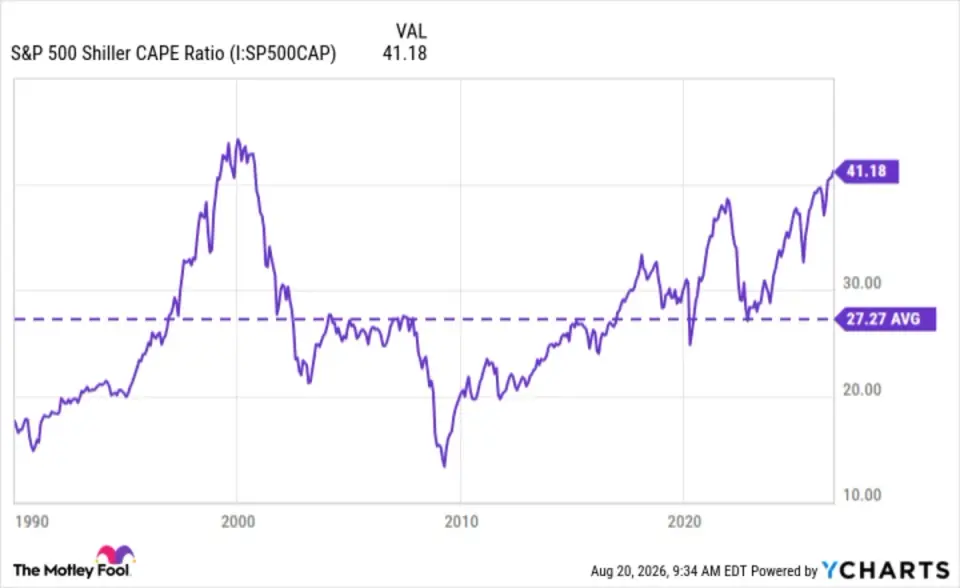
US stock indices have surged over 12% year-to-date, reaching record highs. Financial commentators argue that historical patterns suggest a significant market contraction is inevitable, citing 25 instances of double-digit drops in the S&P 500 over the last 50 years. While current momentum is strong, experts advise business owners and investors to prepare for potential volatility by diversifying portfolios, securing credit lines, and maintaining cash reserves.
Key points
- The S&P 500 and Dow Jones Industrial Average have risen more than 12% since the start of 2026, with gains exceeding 20% over the past year.
- Historical data indicates the S&P 500 has experienced 25 corrections of more than 10% and six crashes exceeding 20% in the last five decades.
- Potential triggers for the next downturn include over-investment in AI and data centers, crypto volatility, and broader economic factors.
- Preparation strategies include diversifying into index funds, building cash reserves, securing lines of credit, and consulting wealth managers.
- Market psychology plays a critical role; contractions often lead to reduced consumer spending, tighter bank lending, and postponed hiring.
Background
Recent market movements have been mixed. In July 2026, Chinese tech stocks faced a severe sell-off, with the CSI 300 index dropping 8.6% amid global concerns over AI data center investments. Meanwhile, US tech giants like Alphabet reported record profits but saw stock declines due to high capital expenditure guidance. Earlier in August, some analysts suggested that despite midterm-year headwinds, ETFs like QQQ and VOO were rising, potentially signaling a buying window for long-term investors. These events highlight the current volatility and the ongoing debate between bullish momentum and bearish historical patterns.
How outlets are covering it
Entrepreneur.com emphasizes the inevitability of market contractions, urging business owners to prepare through diversification and cash reserves to mitigate the psychological and financial impact of a downturn. Yahoo Finance highlights a specific historical pattern not seen in decades, suggesting that current market conditions may be repeating a cycle that typically precedes a significant shift. While both sources agree on the likelihood of a future correction, Entrepreneur.com focuses on defensive preparation and long-term recovery, whereas Yahoo Finance points to specific historical precedents to predict the timing and nature of the next move.
Why it matters
Understanding historical market patterns helps investors and business owners anticipate potential downturns. By recognizing that corrections are a normal part of market cycles, stakeholders can make informed decisions to protect their assets and maintain liquidity. This proactive approach can reduce the impact of sudden market drops on personal wealth, business operations, and broader economic confidence.
What to watch
Investors and business owners should monitor market indicators for signs of overvaluation and prepare for potential volatility. Diversifying investments, securing credit lines, and maintaining cash reserves are recommended steps to mitigate the impact of a market correction. Additionally, staying informed about global economic trends and technological investments will help in making timely and strategic decisions.
- The Stock Market Is Repeating a Pattern Not Seen in Decades. Here's What History Says Comes Next. Yahoo Finance
- The S&P 500 Is Flashing a Warning Not Seen Since the Dot-Com Bubble; History Suggests This Could Happen Next AOL.com
- If a Bear Market Is Coming, Here's What All of the Smartest Investors Are Doing Right Now The Motley Fool
- The Next Market Crash Is Coming — Here’s How to Prepare Your Business entrepreneur.com
- Five reasons we’re headed for a 10% stock-market correction — or worse MarketWatch
Want the full story? Read the original reporting
Read on Yahoo Finance