
CMS 'CRUSH' Rule Sparks 8% UnitedHealth Drop, Dragging Dow to Session Low
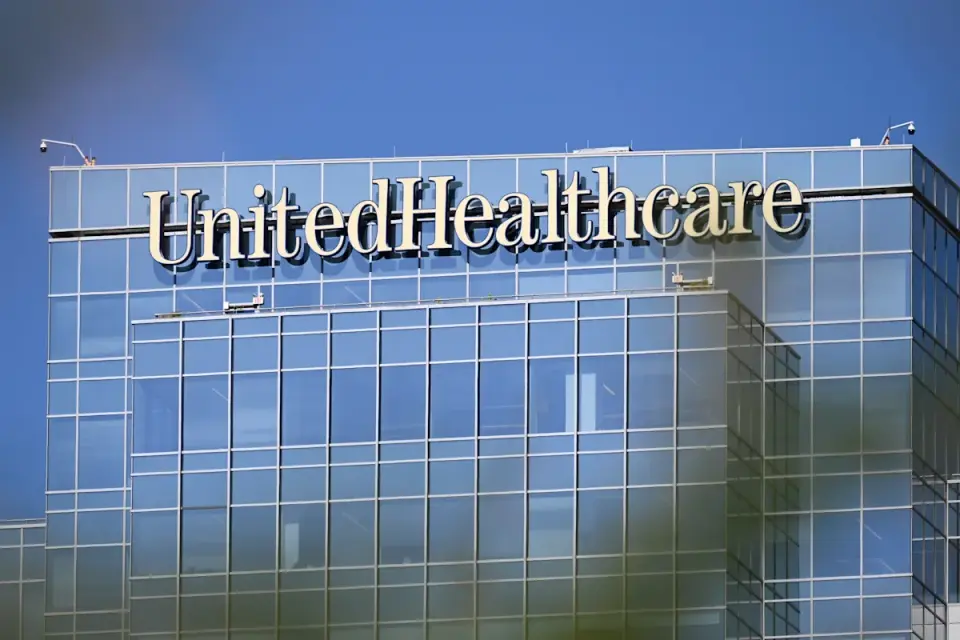
The Centers for Medicare & Medicaid Services (CMS) proposed the 'CRUSH' rule to combat healthcare fraud, triggering a sharp decline in insurance stocks. UnitedHealth Group fell 8%, dragging the Dow Jones Industrial Average to a session low. CMS projects the rule will save taxpayers $90 billion over ten years by tightening oversight of Medicare, Medicaid, and the Health Insurance Marketplace. While the agency cites record program integrity savings, analysts warn the proposal faces legal hurdles and may not yield the projected broad savings. The rule requires providers to report enrollment changes within 30 days and restricts brokers with felony convictions. Public comment is open until January 19, 2027.
Key points
- CMS proposed the Comprehensive Regulations to Uncover Suspicious Healthcare (CRUSH) rule on November 16, 2026, targeting fraud across Medicare, Medicaid, CHIP, and the Marketplace.
- UnitedHealth Group shares fell approximately 8%, while Humana dropped 8% and Cigna declined over 2%, contributing to a session low for the Dow Jones Industrial Average.
- CMS estimates the rule will save taxpayers nearly $90 billion over 10 years, with implementation costs of $378.5 million, though Oppenheimer analysts argue this figure primarily reflects recouped repayments.
- Key provisions include requiring providers to report enrollment changes within 30 days, restricting Marketplace access for agents with felony convictions, and tightening Medicare Advantage risk adjustment audits.
- The proposal follows a February 2026 request for information and aligns with CMS’s goal of annual program integrity rulemaking, with public comments due by January 19, 2027.
Background
This regulatory move follows a period of significant restructuring in the Medicare Advantage market. In October 2026, major insurers including UnitedHealth and Humana announced plans to drop nearly one million members in 2027 due to profitability concerns. Approximately five million Americans were forced to switch plans as carriers exited unprofitable markets, particularly in rural areas. These withdrawals raised concerns about rising out-of-pocket costs for seniors, setting the stage for heightened scrutiny of managed care providers.
How outlets are covering it
CMS and HHS Secretary Robert F. Kennedy Jr. framed the CRUSH rule as a necessary response to 'fraud, waste, and abuse,' citing examples like billing for nonexistent wheelchairs and unauthorized enrollments. CMS Administrator Mehmet Oz emphasized the rule’s potential to protect taxpayers and beneficiaries. Conversely, Oppenheimer analysts expressed skepticism, noting that the $90 billion savings estimate likely reflects CMS recouping repayments rather than broad program savings. They predicted the rule would face similar legal challenges to a framework struck down by a federal court in 2025. Trefis highlighted that UnitedHealth’s 8% drop on November 17 was the largest among its peers, reflecting broader regulatory anxiety in the managed care sector, where companies like Humana and Molina Healthcare also saw declines. The divergence between CMS’s optimistic savings projections and analyst concerns over legal viability and cost absorption defines the current market reaction.
Why it matters
The CRUSH rule signals a shift toward more aggressive federal oversight of healthcare payments, potentially altering the financial landscape for major insurers. If upheld, the rule could force companies to adjust their bids and margins, impacting profitability in an already strained market. For investors, the volatility in UnitedHealth and other Dow components underscores the sensitivity of healthcare stocks to regulatory changes. For consumers, the rule aims to prevent unauthorized enrollments and fraudulent billing, though its long-term impact on coverage availability and costs remains uncertain pending legal and public comment outcomes.
What to watch
CMS will accept public comments on the CRUSH proposal until January 19, 2027. The agency intends to conduct similar program integrity rulemaking annually. UnitedHealth Group is expected to report its fourth-quarter 2026 results in January 2027, with investors watching the medical care ratio for signs of margin pressure. The legal viability of the rule will be a key factor, as analysts anticipate potential court challenges similar to those faced in 2025.
- UnitedHealth and other insurance stocks drag down the Dow after CMS proposes new anti-fraud rule Yahoo Finance
- CMS proposes sweeping Medicare integrity rule it says will save $90B Fierce Healthcare
- Why Is UnitedHealth Stock Falling? Trefis
- CMS CRUSH Proposed Rule Aims to Reap Nearly $90 Billion for Taxpayers in Savings by Targeting Fraud Across Medicare, Medicaid/CHIP, and the Marketplace HHS.gov
- Health Brief: The next Medicare Advantage battle The Washington Post
Want the full story? Read the original reporting
Read on Yahoo Finance