
Leaked files expose Deutsche Bank’s secret handling of Trump and Epstein
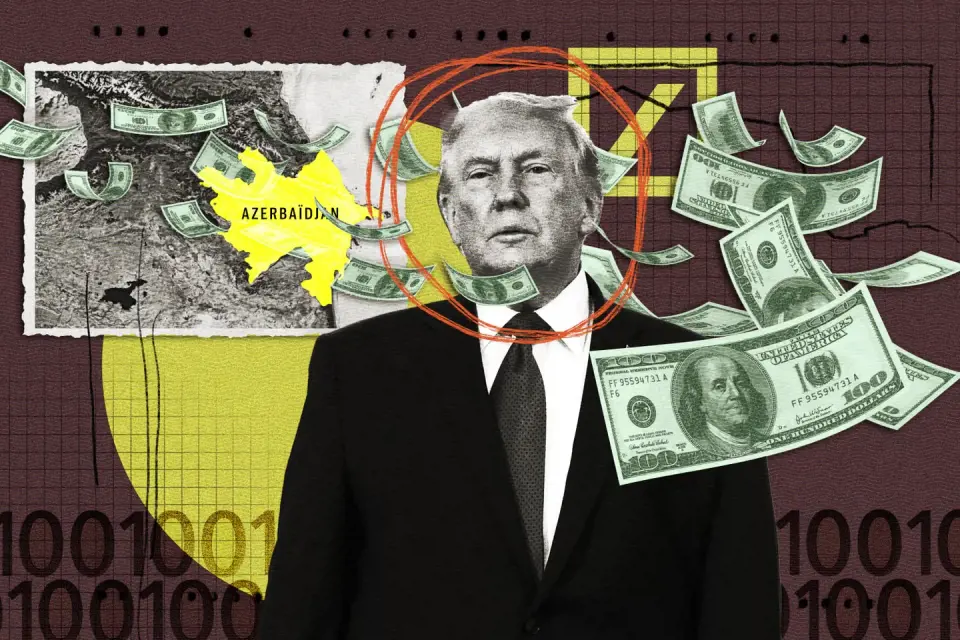
A massive data leak of 15 million files reveals that Deutsche Bank created a special 'covered client' status for Donald Trump in 2016 to manage his $300 million debt and potential loan requests. The investigation, coordinated by over 230 journalists, highlights systemic failures in risk management, including suspicious payments linked to Jeffrey Epstein and an accidental leak of Trump’s tax data in 2017. Deutsche Bank shares fell 4.7% following the reports, which allege the bank failed to offboard 28,000 problematic clients and concealed risk information from regulators.
Key points
- The 'Inside Deutsche Bank' leak, obtained by whistleblowers and shared with 50 media outlets, contains 15 million files covering the bank's activities from the early 2010s.
- In December 2016, Deutsche Bank established a special 'covered client' status for Trump, involving encrypted communications and restricted access to files, to navigate the conflict of interest regarding his outstanding debt.
- The Financial Times reported that the bank processed $582 million in suspicious payments linked to Jeffrey Epstein, a figure far exceeding previous estimates.
- In March 2017, the bank accidentally disclosed Trump’s tax information, an error described by then-private banking head Christian Sewing as an 'awful mistake' that was kept secret from the White House.
- Deutsche Bank shares dropped 4.7% in Frankfurt after the reports, with the bank citing 7 billion euros invested in controls since 2019 to address historical issues.
Background
This development follows earlier reports in November 2026 regarding Deutsche Bank’s accidental leak of Trump’s tax documents and its struggles with Russian oligarch clients post-2022 sanctions. The bank has faced significant regulatory scrutiny and paid 18.6 billion euros in settlements since 2012 for various alleged misconducts, including market manipulation and money laundering.
How outlets are covering it
Le Monde emphasizes the direct link between Trump and Azerbaijani money, detailing the specific 'covered client' protocols used to protect the president's financial interests. The New York Times focuses on the bank's relationship with Russian oligarchs and the urgency of sanctions compliance after the 2022 invasion of Ukraine. CNBC highlights the broader governance failures, including the Epstein payments and the failure to remove 28,000 problematic clients, while noting Deutsche Bank’s defense that these are historical issues and that it has invested heavily in new controls. The outlets differ in their primary focus: Le Monde on the Trump-Azerbaijan connection, NYT on Russian ties, and CNBC on systemic compliance failures and market reaction.
Why it matters
The leak exposes potential systemic failures in one of the world's largest banks, raising concerns about how major financial institutions manage high-profile clients and comply with anti-money laundering regulations. The sharp drop in shares indicates investor concern over the bank's risk management and governance, while the detailed protocols for Trump suggest a level of preferential treatment that could undermine public trust in financial oversight.
What to watch
Regulators, including Germany's BaFin, are expected to review the leaked documents. Deutsche Bank may face further scrutiny or penalties if the alleged failures are confirmed. The bank will likely continue to emphasize its recent investments in compliance controls to reassure investors and regulators.
- 'Inside Deutsche Bank': The secret documents linking Trump to dirty Azerbaijani money Le Monde.fr
- Leaked Files Show Deutsche Bank Protected Russian Profits Despite Warnings The New York Times
- Deutsche Bank Leak Reveals $582 Million In Epstein Payments, Accidental Trump Tax Disclosure Forbes
- Deutsche Bank chair backs CEO after reports expose past lapses; Trump calls tax leak 'illegal' Reuters
- Deutsche Bank shares sink as whistleblowers reveal Epstein payments, Trump tax leak, Russia bets CNBC
Want the full story? Read the original reporting
Read on Le Monde.fr