
Major US Banks Block AI Agents to Protect Deposit Base
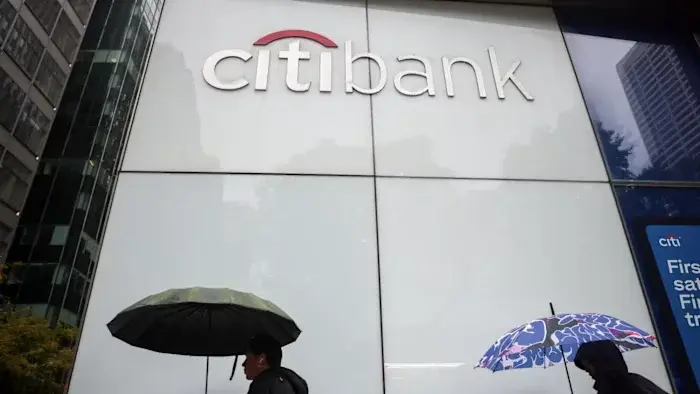
Citigroup, JPMorgan Chase, and Bank of America have restricted third-party AI agents from accessing customer accounts to prevent the automated transfer of deposits to higher-yielding platforms. These moves follow concerns that AI tools could drain billions in low-interest checking accounts, threatening bank profitability. Regulators are now examining liability frameworks for autonomous financial transactions.
Key points
- Citigroup prohibits third-party AI agents from logging into accounts or transacting within its digital platforms, allowing only read-only access via open-banking providers.
- JPMorgan CEO Jamie Dimon warned that allowing external agents poses risks of 'rogue' transactions and creates a 'liability transfer' to customers, while the bank pilots its own 'Smart Cash' tool to manage yields internally.
- Bank of America CEO Brian Moynihan confirmed restrictions on AI access to consumer deposits, emphasizing the need for a 'human in the loop' to authorize money movements.
- Apollo economist Torsten Slok warned that AI agents could sweep household cash into accounts paying 3.3% to 5% interest, compared to the 0.1% average on checking accounts, potentially costing major banks $47 billion annually in lost interest income.
- The Federal Reserve has received concerns from Wall Street executives regarding the rise in AI-driven financial transactions, though it declined to comment publicly.
Background
This development follows Apple's recent restrictions on macOS full disk access to mitigate AI privacy risks and earlier Q3 earnings reports where executives highlighted AI infrastructure spending as a key financial risk. The current restrictions are a direct response to the September launch of Meta's Muse AI assistant, which sparked fears of mass deposit migration.
How outlets are covering it
While all three major banks agree on blocking external AI agents, their rationales differ slightly. JPMorgan emphasizes customer safety and liability issues, noting that customers must understand the risks of autonomous transactions. Bank of America focuses on the necessity of human authorization to prevent unauthorized fund movements. Citigroup frames its decision primarily as a safeguard for customer data and account security. CNBC notes that JPMorgan is simultaneously developing internal AI tools to compete with external agents, whereas the Financial Times highlights the broader regulatory uncertainty regarding liability for AI-authorized transactions.
Why it matters
The restriction of AI agents from banking platforms could preserve the stability of the US banking system by retaining cheap deposit funding. If banks are forced to offer higher interest rates to retain deposits, their profit margins could shrink significantly, potentially impacting lending capacity and broader economic liquidity.
What to watch
Regulators are expected to provide legal clarification on liability for autonomous AI transactions. Banks may continue to develop internal AI tools to offer yield optimization without third-party access. The Federal Reserve may issue guidance on how AI agents should be authorized to handle financial transactions.
- Citi becomes latest US bank to restrict AI agents from accessing accounts Financial Times
- JPMorgan Chase blocks outside AI agents like Muse, Instinct from directly accessing accounts CNBC
- US Banks Block AI Agents Attempting to Move Money for Customers Bloomberg.com
- ‘You don’t want rogue agents’: Jamie Dimon bars outside AI agents like Meta’s Muse from JPMorgan accounts Fortune
- JPMorgan CEO Dimon warns customers of ‘liability transfer’ with AI Banking Dive
Want the full story? Read the original reporting
Read on Financial Times