
Asian Markets Rebound as Tech Stocks Recover From AI-Driven Sell-Off
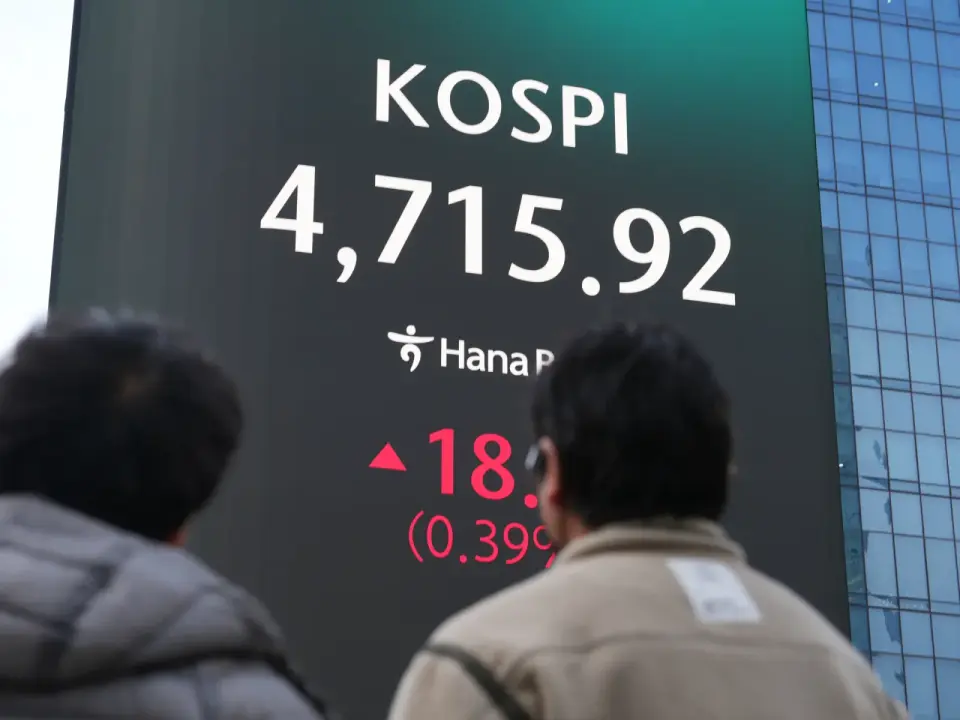
Asian stock indices rose on Friday, November 27, 2026, reversing losses from a sharp tech sell-off earlier in the week. South Korea’s Kospi surged 2.2 percent, while Japan’s Nikkei 225 gained 0.7 percent. The rebound followed a period of volatility driven by concerns over artificial intelligence spending, new US tariffs, and inflation data. Wall Street remained closed for Thanksgiving, leaving Asian markets to lead global trading. Investors also monitored potential retaliation against US trade policies and upcoming Federal Reserve interest rate decisions.
Key points
- South Korea’s Kospi index rose 2.2 percent to 4,812.65, leading gains in Asia. Japan’s Nikkei 225 added 0.7 percent to 57,919.30, and Australia’s S&P/ASX 200 climbed 0.4 percent to 8,800.50.
- Technology and semiconductor stocks rebounded after a steep drop earlier in the week. In Japan, Tokyo Electron and Advantest Corp initially fell but recovered losses, while SoftBank Group had surged 11 percent in prior trading.
- New Zealand’s stock market dipped as Prime Minister Christopher Luxon’s coalition lost its parliamentary majority, creating political uncertainty. A centrist party is expected to play a decisive role in forming the next government.
- Oil prices extended gains of more than 1 percent following an attack by Iran-aligned Houthis on a Saudi refinery, which temporarily halted operations. This followed another attack on a Gulf hub earlier in the week.
- Japan Tobacco shares rallied more than 4 percent after reports it was considering a merger with US firm Altria to take over Britain’s Imperial Brands. Imperial Brands shares jumped 13 percent in London.
Background
Asian markets have experienced significant volatility in November 2026 due to fears over AI infrastructure spending and regulatory changes. Earlier in the month, South Korea’s KOSPI triggered a trading halt after falling over 8 percent, and Japan’s Nikkei dropped 6 percent following a Wall Street sell-off. Governments in Beijing, Seoul, and Taipei deployed stabilization funds to counter panic selling. The current rebound follows a sharp drop on November 25, when Asian tech stocks fell amid doubts about AI profitability despite a brief rally after Nvidia CEO Jensen Huang’s return.
How outlets are covering it
Al Jazeera emphasizes the broad recovery across Asian markets, noting that AI-related buying is pushing benchmarks higher despite some profit-taking. It highlights concerns over US tariffs and potential Federal Reserve rate hikes. CNBC focuses on the rebound in technology stocks, particularly Japanese chipmakers, and notes that investors are looking past new US tariffs targeting major trading partners. It also highlights fresh US inflation data, with the personal consumption expenditures price index rising 3.8 percent year on year in October. Yahoo Finance questions whether the rebound is sustainable, describing it as a potential 'dead cat bounce' in thin holiday liquidity. It notes that Nvidia has halted server sales to four Southeast Asian countries and that the Bank of England warned about risks from complex AI financing arrangements.
Why it matters
The rebound in Asian markets signals a shift in investor sentiment after a period of severe volatility driven by AI spending concerns and trade policy uncertainties. The performance of technology and semiconductor stocks will influence global market trends, while geopolitical tensions in the Middle East and US trade policies could impact oil prices and economic growth. The upcoming Federal Reserve interest rate decision and potential retaliatory tariffs from major trading partners will be critical factors for market stability.
What to watch
Investors will monitor the Federal Reserve’s next interest rate decision, with speculation about a 50-basis-point increase. They will also watch for potential retaliation against US tariffs targeting China, the European Union, India, Japan, and South Korea. In New Zealand, the formation of a new government following the loss of the ruling coalition’s majority will be a key development. Oil prices may continue to rise if tensions in the Middle East escalate further.
- Asian stock markets rise after earlier tech rout Al Jazeera
- Global stocks rally as investors shrug off U.S. tariffs and AI jitters to 'fish for bargains' CNBC
- Shares bounce after bruising month, dollar on course for third monthly gain Reuters
- Asian Markets Rise as AI Sentiment Stabilizes WSJ
- Morning Bid: Is this a dead turkey bounce? Yahoo Finance
Want the full story? Read the original reporting
Read on Al Jazeera