
Mars swaps artificial dyes for natural pigments in M&M's, Skittles, and Starburst
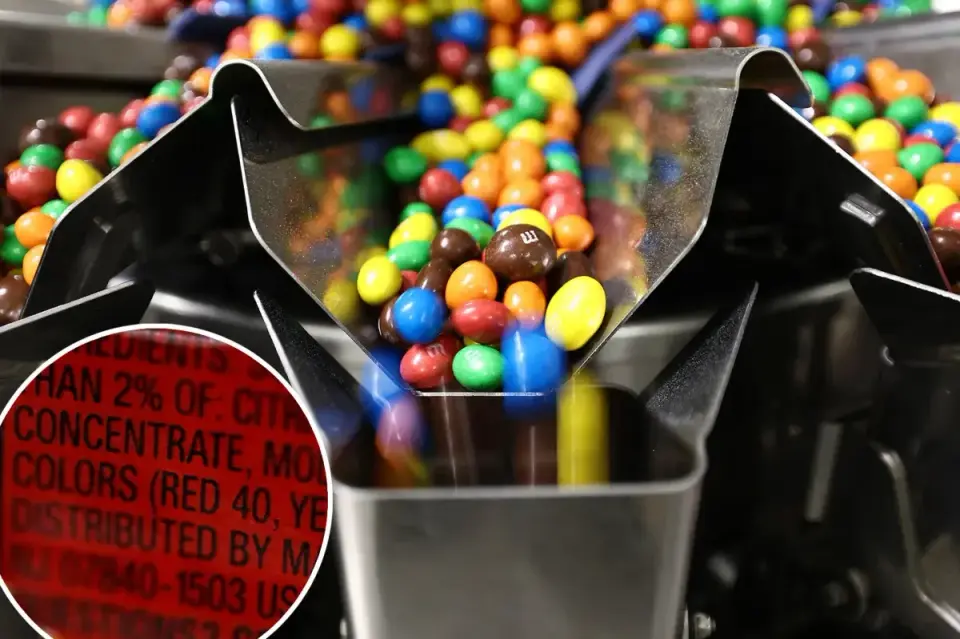
Mars Inc. has launched new versions of M&M's, Skittles, and Starburst on Amazon that replace synthetic petroleum-based dyes with natural alternatives. The move follows a 2025 FDA directive to phase out harmful synthetic dyes and reflects a broader consumer shift toward wellness. While red, yellow, green, and orange hues are now derived from beet juice, turmeric, spirulina, and beta-carotene, blue and brown remain challenging to produce consistently at scale. Traditional versions with artificial coloring will continue to be sold alongside the new natural options.
Key points
- New dye-free versions of M&M's, Skittles, and Starburst are available on Amazon at the same price as traditional versions.
- Natural pigments include beet juice for red, turmeric for yellow, and spirulina for green, replacing synthetic dyes like Red No. 4 and Yellow No. 5.
- Mars spent over a decade researching and testing these formulas, consulting over 13,000 consumers in the past year.
- Blue and brown colors remain difficult to achieve consistently with natural ingredients, particularly at large manufacturing scales.
- The change aligns with a 2025 FDA plan to phase out petroleum-based synthetic dyes and growing consumer demand for natural food products.
Background
In April 2025, the FDA announced plans to phase out potentially harmful synthetic petroleum dyes from the U.S. food supply. This regulatory shift prompted major food companies, including General Mills, Nestlé, Kraft Heinz, and Hershey, to pledge the removal of certified color additives from their products. Mars Inc. announced its transition to natural dyes last year, citing both regulatory changes and evolving consumer preferences for wellness-focused products.
How outlets are covering it
The New York Post emphasizes the 'wellness-centric era' driving the change, noting that once-niche items like collagen supplements have become mainstream. ABC News highlights the technical challenges Mars faced, particularly in maintaining color consistency for blue and brown shades at scale, and notes that traditional versions with artificial dyes will still be sold. Yahoo's coverage is largely obscured by technical code, but the available snippet confirms the launch of dye-free versions on Amazon. All sources agree that the new colors are derived from natural sources like beet juice, turmeric, and spirulina, but they differ in emphasis: the Post focuses on consumer trends, while ABC News focuses on the manufacturing and R&D process.
Why it matters
This move signals a significant shift in the U.S. food industry, as major corporations respond to both regulatory pressure and consumer demand for natural ingredients. The success of these new products could set a precedent for other candy and snack manufacturers to follow, potentially accelerating the phase-out of synthetic dyes across the broader food supply chain.
What to watch
Mars will continue to sell both the new natural-dye versions and the traditional artificial-dye versions of its candies. The company is expected to expand the availability of these products beyond Amazon as it continues to refine its manufacturing processes for consistent color, particularly for the challenging blue and brown shades.
- Iconic candies — M&M’s, Skittles, Starbust — get stripped of artificial coloring as Mars chases sugar high with less dye New York Post
- M&M's, Skittles and Starburst debut versions without artificial food dyes ABC News - Breaking News, Latest News and Videos
- Candy Makeover: M&Ms, Skittles & Starburst unveil new colors without artificial dyes Yahoo
- Inside lab where America's favorite candies get a makeover Yahoo
- M&M's, Skittles, Starburst make huge recipe change by leaving out key ingredient the-sun.com
Want the full story? Read the original reporting
Read on New York Post