
U.S. Deploys Third Carrier to Middle East as Oil Prices Spike
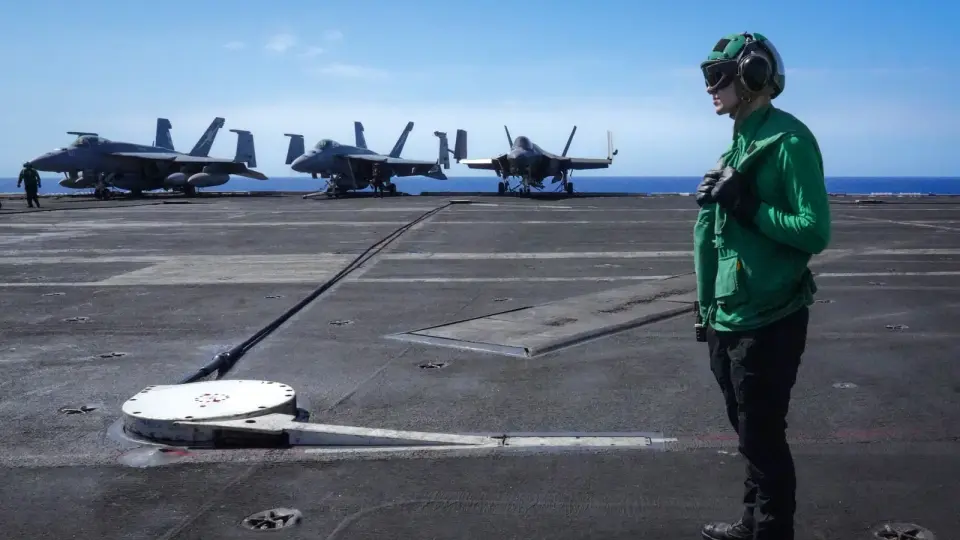
Crude oil prices surged Thursday after reports that the U.S. is sending a third aircraft carrier strike group to the Middle East. Brent crude jumped 4.4% to $102.31 per barrel, while U.S. West Texas Intermediate futures rose 2.7% to $92.87. The deployment of the USS Theodore Roosevelt, along with up to 10,000 additional troops, is expected to arrive by late November. This move signals a potential escalation in the U.S. conflict with Iran, particularly as President Trump has indicated plans to resume bombing campaigns after the November midterm elections. The price increase occurs despite a recovery in Middle Eastern crude flows, though maritime security agencies report at least three tanker attacks in the Strait of Hormuz this week. Global fuel supply disruptions are also being exacerbated by Ukrainian strikes on Russian refineries and Chinese cancellations of gasoline and jet fuel exports.
Key points
- Brent crude closed at $102.31 per barrel, up 4.4%, while WTI futures settled at $92.87, up 2.7%.
- The USS Theodore Roosevelt is scheduled to arrive in the Middle East by the end of November, joining the USS George H.W. Bush and USS George Washington.
- Up to 10,000 additional troops and Marine Corps ships are being deployed to the region, according to U.S. officials.
- President Trump has told aides he expects to resume bombing Iran after the November midterm elections.
- At least three tankers were attacked while transiting the Strait of Hormuz this week, highlighting fragile supply routes.
- U.S. diesel prices reached record highs last month and remained elevated at an average of $6.40 per gallon.
Background
This escalation follows a period of heightened tensions in late September, where U.S.-Iran strikes pushed oil prices above $100 and OPEC+ maintained flat production levels. Earlier in August, the U.S. introduced sanctions targeting Iran, which analysts warned could tighten Iranian exports. Additionally, President Trump previously proposed a U.S. stake in Venezuelan oil to lower gas prices, though that plan faced significant legal and logistical hurdles. The current military buildup represents a significant shift from the diplomatic and economic pressure applied in the preceding months.
How outlets are covering it
CNBC emphasizes the military escalation and the direct link between the carrier deployment and the surge in oil prices, citing U.S. officials and energy experts who view the situation as moving toward further conflict. Yahoo Finance, while largely obscured by technical errors in the provided text, highlights the impact of China halting fuel exports alongside the troop movements, suggesting a broader global supply constraint. The primary source notes that while crude flows have recovered to pre-war levels, the situation remains fragile due to ongoing attacks on tankers and constraints on diesel shipments.
Why it matters
The deployment of a third carrier and additional troops signals a potential major escalation in the U.S.-Iran conflict, which could lead to further disruptions in global energy supplies. The spike in oil prices, combined with record-high diesel costs and supply constraints from China and Russia, poses significant risks for global inflation and economic stability. The timing of potential military action after the U.S. midterm elections adds a layer of political uncertainty that could influence market volatility and international relations in the coming months.
What to watch
Markets will likely remain volatile as the USS Theodore Roosevelt arrives in the Middle East by late November. Investors will watch for any signs of actual military engagement or further escalations in the U.S.-Iran conflict. Additionally, the impact of Chinese fuel export cancellations and Russian diesel export bans on global supply chains will be closely monitored. President Trump's post-midterm decisions regarding Iran will be a critical factor in determining the trajectory of oil prices and geopolitical tensions.
- Oil prices rise as Chinese refiners reportedly ban October fuel exports; Brent crude near $100 CNBC
- Oil prices rise as China suspends fuel exports Yahoo Finance
- Brent Crude Approaches $100 TradingView
- China Cancels Some Fuel Shipments to Support Domestic Supply Bloomberg.com
- Chinese refiners suspend October fuel exports to bolster stocks, sources say Reuters
Want the full story? Read the original reporting
Read on CNBC