
Bessent Signals Imminent Hormuz Deal as Oil Plunges and Stocks Hit Records
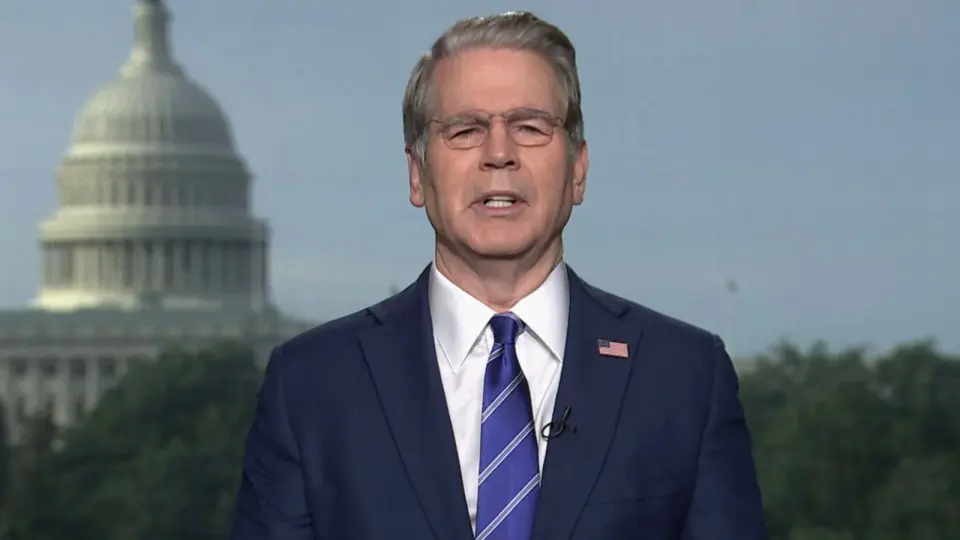
Treasury Secretary Scott Bessent indicated that the U.S. and Iran could finalize a deal to reopen the Strait of Hormuz by Tuesday or Wednesday, promising free movement for commercial vessels. This announcement triggered a 4% drop in Brent crude and pushed the S&P 500 to a record high. While Iranian and Omani negotiators have agreed on a temporary shipping arrangement, the deal awaits final approval from Iran’s supreme leadership. The agreement would lift the U.S. naval blockade and reinstate oil sales waivers, marking a critical step in ending the six-month conflict.
Key points
- Bessent stated that a deal to open the strait could be reached within 48 hours, ensuring freedom of movement for ships without tolls.
- Brent crude fell 4% to below $80 per barrel, while the S&P 500 rose 1% to a record high on hopes of de-escalation.
- Iranian and Omani negotiators agreed on a temporary arrangement where vessels enter via Iranian waters and exit through Omani channels.
- The deal requires final sign-off from Ayatollah Mojtaba Khamenei and Iran’s national security committee.
- If finalized, the U.S. will lift its naval blockade and reinstate waivers allowing Iran to sell oil.
Background
The current negotiations follow a June 17 memorandum of understanding that collapsed due to disputes over shipping routes. Previous attempts in August to halt strikes and resume talks in Switzerland faced significant setbacks, with Iran previously rejecting direct U.S. talks in favor of Omani mediation. The current diplomatic push aims to prevent further escalation in the sixth month of the conflict.
How outlets are covering it
CNBC emphasizes the immediate timeline, with Bessent predicting a deal by Tuesday or Wednesday and highlighting the broader relief for industrial gases and fertilizers. The Financial Times provides deeper diplomatic detail, noting that while Iran and Oman have agreed on a temporary arrangement, the deal is not yet finalized by Tehran’s top leadership. The FT also highlights Oman’s concerns regarding UN maritime law and sovereignty, which were recently resolved. Both outlets agree that the deal is a prerequisite for broader peace talks, though the FT notes that Trump’s claims of resumed negotiations were previously dismissed by Iran.
Why it matters
The reopening of the Strait of Hormuz is critical for global energy security and supply chain stability. A successful deal would reduce oil prices, lower inflationary pressures, and potentially pave the way for a broader settlement on Iran’s nuclear program. Conversely, a failure could lead to renewed military escalation and prolonged economic disruption.
What to watch
Markets will monitor for official confirmation of the deal within the next 48 hours. If approved, the U.S. will lift its naval blockade, and hundreds of ships currently stuck in the Persian Gulf will begin to exit. Subsequent phases of negotiations will focus on de-nuclearization and long-term security arrangements.
- Bessent says there may be deal Tuesday or Wednesday to open Strait of Hormuz with 'freedom of movement' CNBC
- Bessent Suggests US-Iran Hormuz Deal Possible in Coming Days Bloomberg.com
- Oil falls after Bessent says deal to reopen Strait of Hormuz is imminent Financial Times
- Bessent: Could Have a Deal with Iran Today or Tomorrow WSJ
- US’s Bessent: Could have deal with Iran on Hormuz Strait by tomorrow The Times of Israel
Want the full story? Read the original reporting
Read on CNBC