
Canada Accelerates Sovereign Space and Energy Infrastructure Amid US Tensions
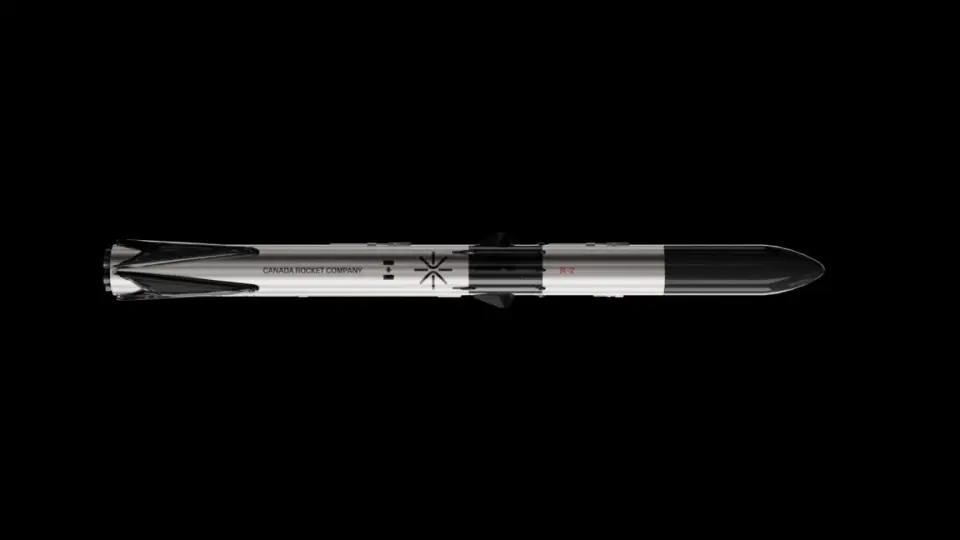
Amid escalating tensions with the United States, Canada is aggressively pursuing strategic autonomy in space and energy. The government has fast-tracked the Pacific Link oil pipeline to reduce reliance on US markets, while simultaneously backing private firms to develop domestic launch capabilities. These moves aim to diversify exports and secure sovereign access to space, driven by a new national strategy to reduce dependence on American infrastructure and technology.
Key points
- Canada designated the Pacific Link pipeline, a 1,250-kilometer route to the Pacific Coast, as a project of national interest, fast-tracking approvals to reduce US export dependence.
- The Canada Rocket Company is developing the R-2 medium-lift rocket, targeting a 2032 launch date, after deciding to skip smaller light-lift prototypes to achieve commercial viability.
- Prime Minister Mark Carney announced that 90% of Alberta’s oil currently goes to the US, a dependency the new pipeline aims to lower by opening Asian markets.
- The Canadian government has awarded initial funding to three firms, including Canada Rocket Company, NordSpace, and Reaction Dynamics, as part of the 'Launch the North' initiative.
- Pacific Link is expected to cost between $25 billion and $43.7 billion, with operations targeted for 2032-2033, while the R-2 rocket aims to carry 12.5 metric tons to low-Earth orbit.
Background
These developments follow a period of strained US-Canada relations, including trade disputes and rhetoric regarding Canadian sovereignty. Earlier in 2026, Canada suspended trade talks with the US and sought closer ties with the EU. The current push for infrastructure independence aligns with a broader national strategy to mitigate 'structural vulnerabilities' in energy and defense sectors, moving away from decades of reliance on American partners.
How outlets are covering it
Ars Technica highlights the shift in Canadian space policy, noting that anger over US tariffs and sovereignty threats has driven the government to support medium-lift rockets, with Canada Rocket Company CEO Hugh Kolias arguing that small rockets are not commercially viable. The Boston Herald and CBC focus on the Pacific Link pipeline, framing it as a critical step to reduce Canada’s 90% reliance on US oil markets. While Carney emphasizes 'strategic autonomy' and economic diversification, critics like the NDP and environmental groups argue the project ignores climate targets and rushes approvals. CBC notes that while the government claims the pipeline will boost GDP by $30 billion annually, private investors remain cautious due to past delays in similar projects like Trans Mountain.
Why it matters
These initiatives mark a fundamental shift in Canadian policy from reliance on US infrastructure to sovereign capability. Success in these sectors could reduce Canada’s economic vulnerability to US trade policies and enhance its global standing. However, the projects face significant hurdles, including financing, environmental concerns, and technical challenges, with the pipeline’s viability dependent on securing private investment and the rocket program’s success hinging on achieving commercial launch by 2032.
What to watch
The Canadian government aims to finalize regulatory conditions for Pacific Link by September 2027, with construction beginning shortly after. An open season for pipeline capacity contracts is expected next spring. For the space sector, Canada Rocket Company plans to begin testing its E-1 engine at the Jeremy Hansen Test Facility in about two years, with the goal of launching the R-2 rocket by 2032. The government has signaled potential future funding of up to $500 million for sovereign launch capabilities.
- As US relations fray, Canada gets serious about its own launch industry Ars Technica
- Canada fast-tracks Pacific oil pipeline to reduce US dependence as Alberta separation vote nears Boston Herald
- West Coast oil pipeline becomes 1st project designated in national interest CBC
- Canada to fast track oil pipeline designed to diversify economy away from US Reuters
- Carney Invokes New Powers to Fast-Track West Coast Oil Pipeline Bloomberg.com
Want the full story? Read the original reporting
Read on Ars Technica