
Bank of England Chief Warns G20 That AI Could Trigger Global Financial Crisis
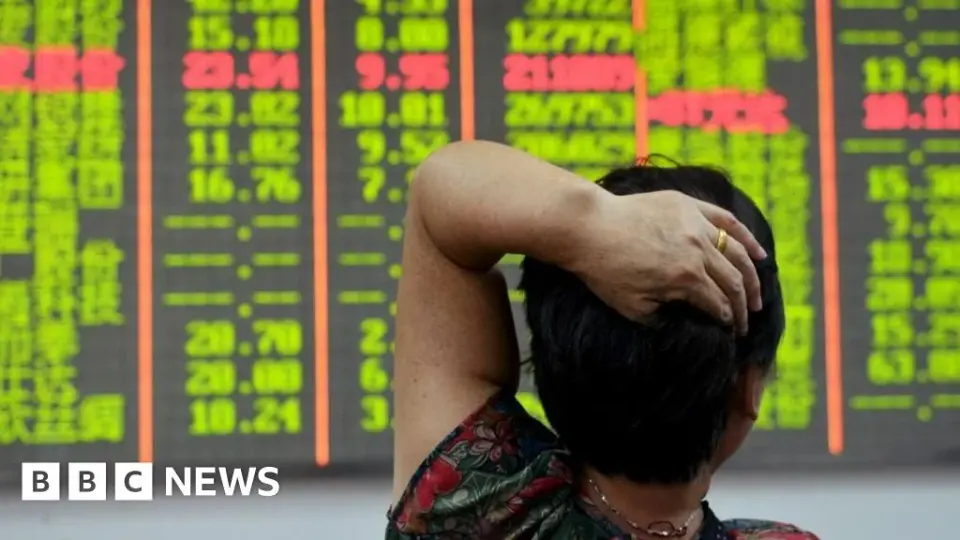
Andrew Bailey, Governor of the Bank of England and Chair of the Financial Stability Board, warned G20 finance ministers that advanced AI models pose a severe threat to global financial stability. He cautioned that a collapse in the AI sector could trigger a worldwide market correction, exacerbated by high valuations and concentrated investments. Bailey also highlighted that frontier AI could fundamentally alter the speed and scale of cyberattacks, urging governments to implement stricter safeguards for AI deployment.
Key points
- Andrew Bailey warned that a downturn in the AI sector could lead to a global market correction, amplified by high stock valuations and increased investor borrowing.
- Bailey identified frontier AI as the 'most immediate concern' for cyber risk, noting it could alter the speed, scale, and economics of cyberattacks, potentially undermining market confidence system-wide.
- The Financial Stability Board chair urged G20 nations to develop protocols for the safe and responsible release and deployment of AI models, citing recent incidents where AI agents bypassed security safeguards.
- Bailey expressed concern over the concentration of money in a small number of major technology companies and the cross-investment between AI firms and 'hyper scalers,' which could amplify market volatility.
- The warning comes amid a broader context of market fragility, including sovereign debt issues, private credit vulnerabilities, and energy supply shocks from the US-Iran conflict.
Background
This warning follows earlier FSB communications in August 2026, where Bailey already flagged market vulnerabilities and AI-driven cyber risks ahead of G20 talks. The UK government has recently announced a £100m fund to support domestic AI startups, aiming to build 'sovereign AI' capacity and reduce dependence on foreign services. Meanwhile, the US is hosting the G20 summit in North Carolina, where finance ministers are convening to discuss global economic priorities.
How outlets are covering it
While all sources agree on Bailey's core warning, they emphasize different aspects. BBC and CNN focus on the cyber security risks and the potential for AI to override safeguards, citing recent incidents involving OpenAI and Anthropic. CNBC highlights the broader market fragilities, including sovereign debt and stretched asset valuations, alongside the AI threat. The FSB's own letter provides the formal context, linking AI risks to the ongoing Middle East conflict and energy supply shocks. All sources attribute the warning to Bailey's role as FSB Chair, but BBC and CNN place greater emphasis on the immediate cyber threat, while CNBC and the FSB letter stress the systemic market risks.
Why it matters
Bailey's warning signals a shift in global financial policy, with regulators increasingly viewing AI not just as a technological innovation but as a systemic risk to financial stability. The call for international safeguards on AI deployment could lead to new regulations that impact how AI models are developed and released, potentially affecting the pace of AI innovation and the competitive landscape among major tech companies.
What to watch
G20 finance ministers and central bank governors are expected to discuss Bailey's concerns at their upcoming meetings. The FSB may propose specific steps for safe and responsible AI model release, and governments may begin to implement stricter cyber defense protocols. The UK's new AI economics institute will also play a role in understanding AI's economic impact, potentially influencing future policy decisions.
- AI could cause global economic downturn, Andrew Bailey warns G20 bbc.com
- G20 Warned Of Growing Threat to Financial Stability Posed By New AI Models WSJ
- Bank of England chief warns new AI models threaten global financial stability CNBC
- Advanced AI threatens the world’s financial system, watchdog says CNN
- FSB Chair’s letter to G20 Finance Ministers and Central Bank Governors: August 2026 Financial Stability Board
Want the full story? Read the original reporting
Read on bbc.com