
China's Record Bank Closures Signal Deep Financial De-risking Amid Global AI and Oil Concerns
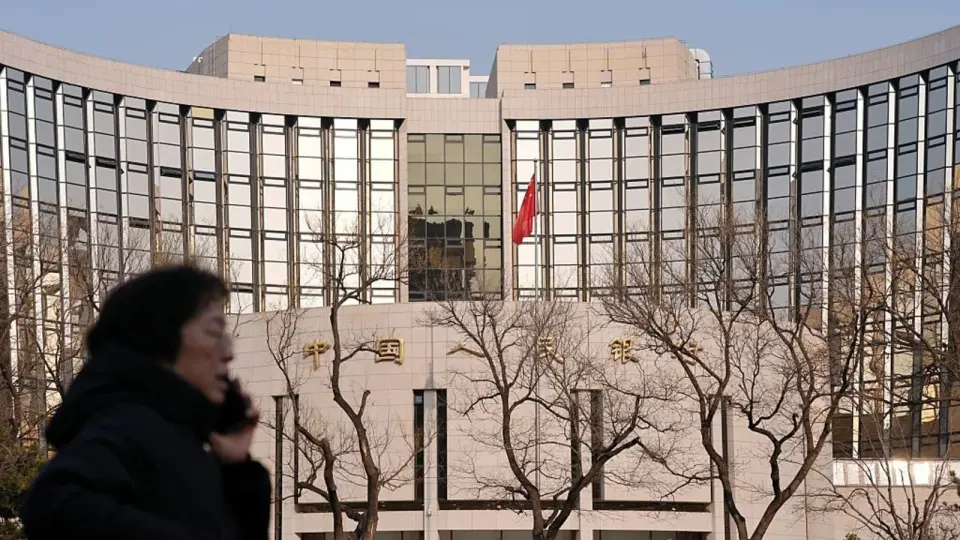
Beijing closed 670 banks in 2025, a record one-quarter of the national total, to stabilize its financial system. This move coincides with warnings from Saudi Aramco on oil stockpile recovery and renewed debate over AI safety risks versus China's development pace.
Key points
- China shut down 670 banks in 2025, representing nearly 25% of its lenders, primarily targeting weak rural institutions with poor asset quality and low capitalization.
- Saudi Aramco CEO Amin Nasser warned that global oil stockpiles could take two years to rebuild, citing ongoing supply disruptions linked to the Iran-U.S. conflict.
- Former Google DeepMind researcher Alex Turner stated that 'misaligned' AI poses a greater danger than China's aggressive development push, sparking renewed safety debates.
- The Nasdaq Composite reached a new all-time high as investors ignored rising U.S. Treasury yields, while AI-related job postings at major banks like JPMorgan Chase rose 49% year-to-date.
- President Trump announced he would personally fund controversial TV ads that previously used up to $20 million from the Department of Homeland Security, following backlash ahead of midterm elections.
Background
This consolidation follows earlier reports in September 2026 regarding U.S.-China discussions on AI risk coordination and Beijing's rejection of calls to slow AI development. The current bank closures align with previous analyses noting structural weaknesses in China's rural banking sector, which had been identified as a key constraint on economic growth despite the country's success in other tech sectors.
How outlets are covering it
CNBC and Semafor agree that the 670 bank closures are a de-risking measure targeting the weakest parts of the financial system, specifically rural lenders. Fitch Ratings, cited by both, highlights poor asset quality and governance issues. Yahoo Finance's source appears to be an error page and provides no substantive analysis. CNBC emphasizes the broader market context, including oil and AI, while Semafor focuses on the economic slowdown and consumption weakness driving the need for consolidation. The outlets differ in emphasis: CNBC frames the bank closures as part of a global market update, whereas Semafor links them directly to slowing growth and weak consumption.
Why it matters
The massive consolidation of China's banking sector signals a shift toward financial stability over expansion, potentially affecting global credit flows. Simultaneously, warnings on oil supply and AI safety highlight growing geopolitical and technological risks that could impact market volatility and international cooperation.
What to watch
Investors will monitor whether the bank consolidation stabilizes China's financial system or leads to further economic contraction. Oil markets will watch for supply disruptions as stockpiles remain low. In tech, the debate over AI safety versus development speed may influence regulatory actions and investment trends, particularly as AI roles in finance continue to grow.
- CNBC Daily Open: China shuts down record 670 banks, new worries over oil and AI CNBC
- China shuts hundreds of banks as Beijing moves to shore up its financial system CNBC
- China closes hundreds of banks to bolster financial system ft.com
- China closes record number of banks as economic growth slows Semafor
- China Shut Down 670 Banks. The Bigger Problem Is Why. Yahoo Finance
Want the full story? Read the original reporting
Read on CNBC