
Global Debt Surges Past $365 Trillion as Fed Signals Potential Year-End Rate Hike
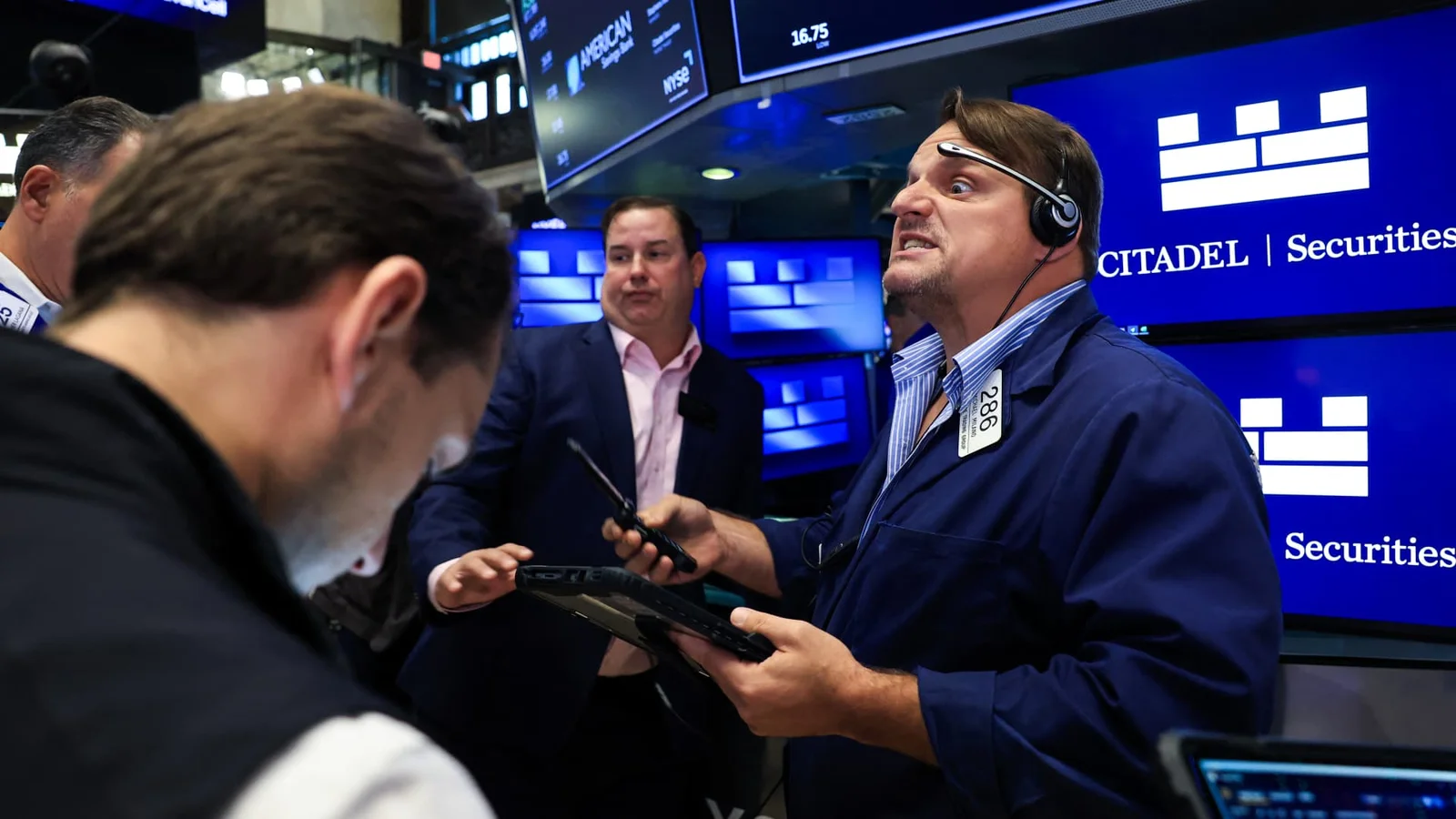
Global debt has exceeded $365 trillion, prompting warnings about a 'vicious cycle' of rising interest costs. Simultaneously, New York Fed Chair John Williams indicated that another rate hike before year-end is a 'reasonable' possibility, while the 10-year U.S. Treasury yield hit a 19-year high. In related developments, the U.S. and China extended their trade truce until January 2027, and SoftBank raised $11.1 billion to fund its OpenAI investment.
Key points
- Global debt rose by $10 trillion in the first half of 2026, reaching a total of $365 trillion, according to the Institute of International Finance.
- Economists warn that rising interest expenses for major economies create risks similar to those seen in debt-distressed emerging markets.
- New York Fed Chair John Williams stated that expecting another rate hike by year-end is a 'reasonable' approach, though data collection remains the priority.
- The 10-year U.S. Treasury yield reached a 19-year high, driven by rebounding oil prices, strong U.S. PMI data, and weak demand at a $70 billion 5-year Treasury auction.
- Japan’s 10-year government bond yield hit a 30-year high at 3.062%, tracking the surge in U.S. yields and a weaker yen.
- U.S. Treasury Secretary Scott Bessent confirmed that the U.S.-China trade truce has been extended to January 10, 2027, requiring Beijing to fulfill additional deliverables.
Background
This development follows a period of market volatility where the S&P 500 neared record highs despite broad market weakness, with 52% of index members trading below their 200-day moving averages. Earlier in September, markets held steady ahead of a Federal Reserve decision, with futures implying a potential 25-basis-point hike. The current rise in yields and debt concerns exacerbates the narrowness of the tech-led rally observed in late September.
How outlets are covering it
CNBC emphasizes the immediate impact of rising yields on global markets, highlighting the 19-year high for U.S. Treasuries and the 30-year high for Japanese bonds. It also focuses on the geopolitical extension of the U.S.-China trade truce and SoftBank’s financing of its OpenAI bet. Yahoo Finance, while largely obscured by technical errors in the provided text, aligns with the narrative of the 10-year Treasury yield hitting its highest level since 2007, reinforcing the market’s pricing in of another Federal Reserve rate hike. Both sources agree on the upward pressure on interest rates but differ in emphasis: CNBC provides a broader global context including debt levels and trade policy, while Yahoo Finance focuses specifically on the U.S. bond market reaction.
Why it matters
The combination of record-high global debt and rising interest rates creates a 'vicious cycle' where servicing costs escalate, potentially straining government budgets and corporate finances. The Federal Reserve’s openness to further rate hikes, coupled with the extension of the U.S.-China trade truce, suggests a complex economic environment where inflation control and geopolitical stability are being balanced against the risks of a debt-driven slowdown. Investors are reacting to these signals by adjusting positions in bonds and equities, with significant moves in Japanese and U.S. markets reflecting heightened sensitivity to yield changes.
What to watch
Investors will monitor upcoming economic data to determine if the Federal Reserve proceeds with a rate hike by year-end, as suggested by John Williams. The U.S.-China trade truce extension until January 2027 will be closely watched for compliance with new deliverables. Additionally, the Swiss National Bank is expected to potentially raise rates by early 2027, and the market will assess the impact of SoftBank’s OpenAI investment on the tech sector. Oil prices and U.S. PMI data will continue to influence Treasury yields and global market sentiment.
- Stock futures flat after soaring Treasury yields trigger market sell-off: Live updates CNBC
- Here's what happens to the economy when Treasury yields soar like they are now CNBC
- Bond Yields Return to 2007, But It Could Be Worse Bloomberg.com
- 10-year Treasury yield hits highest level since 2007 as market prices in another Fed rate hike Yahoo Finance
- Markets News, Sept. 23, 2026: Stocks Fall as Nasdaq’s Record Streak Ends; Treasury Yields Rise to Highest Level Since 2007 Investopedia
Want the full story? Read the original reporting
Read on CNBC