
G7 Averts US Diesel Export Ban with 100 Million Barrel Release
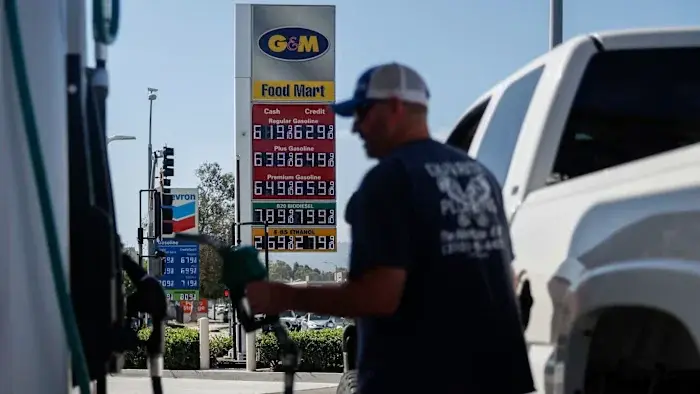
The G7 has agreed to release 100 million barrels of crude and diesel over four months to stabilize global fuel markets. This coordinated action, led by the International Energy Agency, averted a threatened US export ban on diesel. The move aims to lower surging prices ahead of US midterm elections, with Europe contributing roughly 50 million barrels of diesel.
Key points
- G7 leaders agreed to release 100 million barrels of fuel over four months, starting immediately, with a substantial diesel release within the first 20 days.
- The US backed down from a threatened diesel export ban after European nations agreed to release strategic reserves, a move described by President Trump as a 'great thing'.
- The release is coordinated by the International Energy Agency, with the US contributing 40 million barrels from its Strategic Petroleum Reserve and Europe contributing about 50 million barrels of diesel.
- Diesel prices have surged due to the US-Iran war, Russian-Ukrainian conflict, and Chinese export limits, with US diesel prices reaching a record $6.53 per gallon last week.
- The G7 committed to refrain from export restrictions on energy products between member countries to prevent exacerbating market tensions.
Background
This development follows weeks of escalating tensions over fuel prices. In late September, UK officials warned that a US diesel export ban would severely impact Europe, which relies heavily on US imports. Earlier in October, US Energy Secretary Chris Wright proposed a 120 million barrel EU release to avert the ban. The current agreement builds on a March pledge of 400 million barrels, of which 325 million have already been released, addressing ongoing supply disruptions from global conflicts.
How outlets are covering it
The Financial Times emphasizes the political pressure on President Trump from Republican legislators in agricultural heartlands, framing the deal as a compromise to avoid an export ban. CNN highlights the coercive nature of the US ultimatum, noting that Europe had little choice but to comply due to its dependence on US diesel. CNBC focuses on the immediate market impact, noting that crude oil prices fell following the announcement, while Al Jazeera contextualizes the release within the broader US-Israel war on Iran, which has driven fuel prices higher. All sources agree that the release is a critical step to stabilize markets, but they differ in their emphasis on the political versus economic drivers of the decision.
Why it matters
This agreement is significant because it averts a potential global fuel crisis that could have exacerbated inflation and economic instability. By releasing strategic reserves, the G7 aims to lower diesel prices, which are crucial for agriculture, transportation, and heating. The decision also reflects the growing influence of US political pressures on global energy policy, as the administration seeks to mitigate the impact of high fuel prices ahead of midterm elections. The coordinated release may provide temporary relief, but long-term supply issues remain unresolved due to ongoing conflicts in the Middle East and Eastern Europe.
What to watch
The G7 plans to convene in the coming days to discuss the possibility of additional diesel releases if necessary. The release will be monitored over the next four months, with a focus on the initial 20-day period for a substantial diesel release. Market participants will watch for further price movements and potential adjustments to the release schedule based on ongoing supply disruptions and geopolitical developments.
- Diesel falls sharply as EU considers releasing 50mn barrels under pressure from Trump Financial Times
- Iran war live: EU rejects Trump’s diesel demand amid Iran war shortages Al Jazeera
- US pressures Europe to release diesel reserves ‘immediately’ to tame prices CNN
- Oil prices fall over 3% on report of potential diesel, crude stock release; Brent back below $100 CNBC
- US pressures Europe to release diesel reserves as Trump threatens export ban BBC
Want the full story? Read the original reporting
Read on Financial Times