global-energy-policy10 days ago
G7 Unveils 100 Million Barrel Oil Release to Counter US Diesel Threats
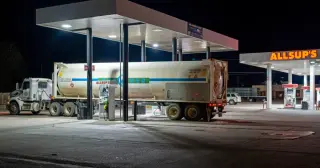
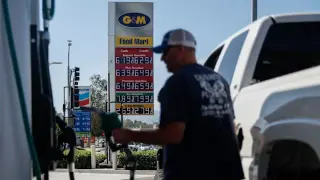
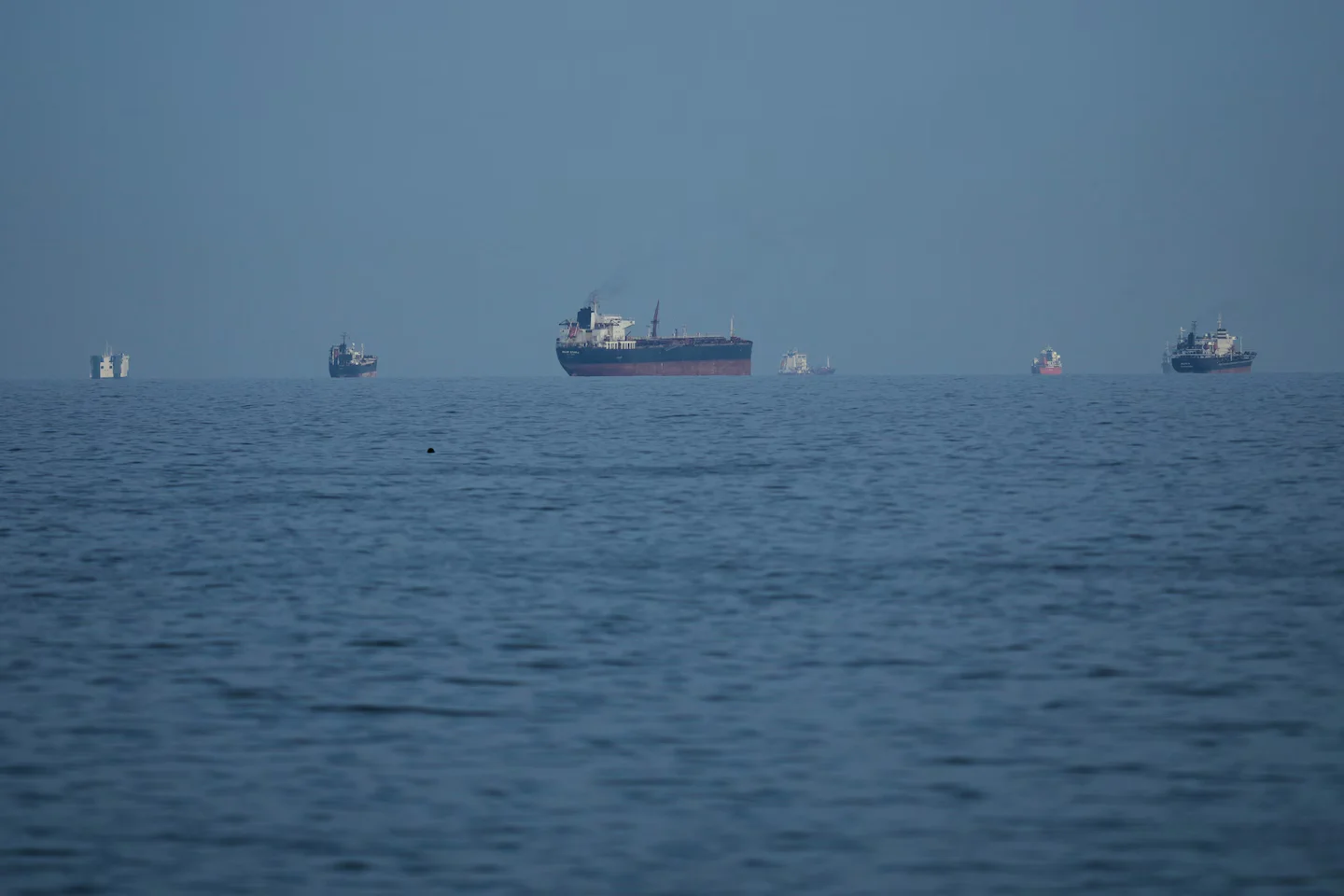
The G7 has agreed to release 100 million barrels of oil and diesel from strategic reserves over four months to curb record-high energy prices. The decision, coordinated by the International Energy Agency, follows intense pressure from the US administration, which threatened to ban diesel exports. While the release aims to stabilize markets ahead of winter, European leaders criticized the US tactics as coercive, describing the negotiations as 'blackmail.'