
G7 Agrees to 100 Million Barrel Fuel Release to Avert US Diesel Export Ban
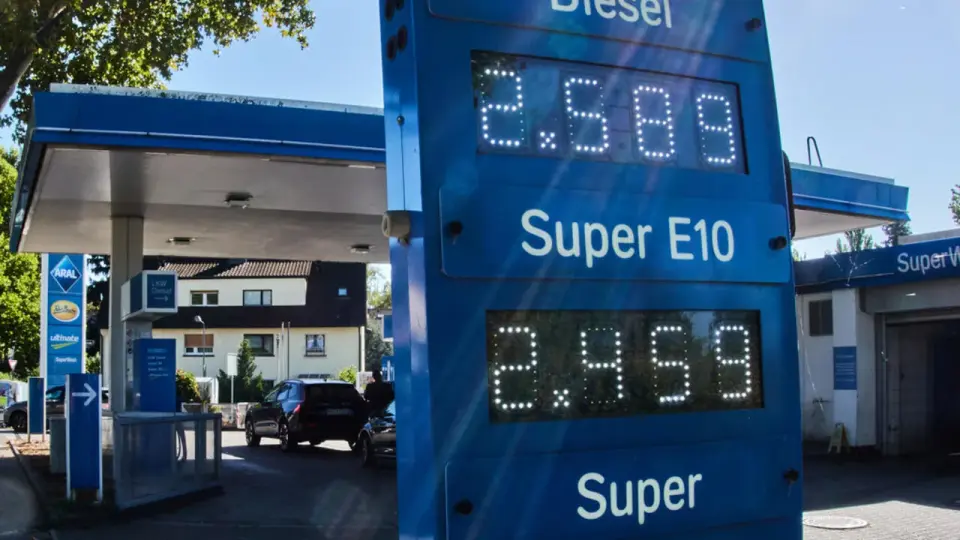
G7 leaders agreed on October 2 to release 100 million barrels of diesel and crude oil from strategic reserves over four months, coordinated through the International Energy Agency (IEA). This decision followed intense pressure from the US administration, which threatened to ban diesel exports to lower domestic fuel prices. The agreement includes a front-loaded release of substantial diesel volumes within the first 20 days to address record-high prices in both the US and Europe. While the US framed the move as a success, European leaders rejected the export ban threat, warning it would damage trust and economic performance. The release aims to stabilize markets amid ongoing geopolitical tensions, including the US-Israeli war on Iran and Ukrainian attacks on Russian energy infrastructure.
Key points
- G7 nations agreed to release 100 million barrels of fuel reserves over four months, with a significant portion of diesel released within the first 20 days.
- US President Donald Trump threatened to ban diesel exports, pressuring European allies to tap their strategic reserves to lower domestic fuel costs.
- European Commission spokeswoman Anna-Kaisa Itkonen stated the EU 'fully rejects' any diesel ban, calling it detrimental to economic performance and trust in US partnership.
- US diesel prices have surged over 70% to $6.39 per gallon since the start of the Iran conflict, impacting midterm election prospects for the Republican Party.
- The International Energy Agency (IEA) noted that approximately one-third of the 400 million barrels agreed to be released in March remain unfulfilled, with 80% of overall IEA stocks still available.
Background
This development follows a series of escalating tensions regarding global fuel supply. In late September, UK officials warned that a US diesel export ban could trigger severe price spikes in Europe and Latin America, where the US supplies a significant share of imports. Earlier in September, Republican lawmakers urged President Trump to suspend diesel exports to ease costs for rural voters ahead of the midterm elections. The current crisis is compounded by the US-Israeli war on Iran and Ukrainian strikes on Russian energy infrastructure, which have driven fuel prices to record highs in both the US and Europe.
How outlets are covering it
France 24 and Le Monde emphasize the diplomatic maneuvering by French President Emmanuel Macron to convene the G7 and avert the US export ban, highlighting the EU's unified rejection of the threat. CNBC focuses on the market impact, noting that crude oil prices dropped shortly after the announcement, with Brent crude falling below $100 per barrel. Al Jazeera contextualizes the fuel crisis within the broader US-Israeli war on Iran, noting that US senators have criticized the war for driving up diesel prices to nearly double their pre-war levels. All sources agree that the release is a response to record-high fuel prices, but they differ in emphasis: European outlets stress the diplomatic friction and economic risks of the ban, while US-focused outlets highlight the political pressure on Trump and the immediate market relief.
Why it matters
The G7 agreement stabilizes global fuel markets and prevents a potential trade war between the US and EU. Record-high diesel prices have become a major political issue for the US Republican Party ahead of midterm elections, while European economies face inflation rates that have reached a three-year high. The coordinated release demonstrates the G7's ability to manage energy crises through cooperation, but it also underscores the fragility of transatlantic energy relations amid geopolitical conflicts in the Middle East and Eastern Europe.
What to watch
The G7 will monitor fuel prices closely and adjust measures as needed. The IEA will coordinate the release of 100 million barrels over four months, with a focus on diesel in the first 20 days. European nations are expected to accelerate delivery of their existing commitments to the IEA. Further diplomatic discussions are scheduled to address the underlying causes of the fuel shortage, including the impact of the Iran conflict and Russian energy restrictions.
- EU ‘fully rejects’ US threat to ban diesel exports unless bloc releases more fuel stocks France 24
- Oil prices fall over 3% on report of potential diesel, crude stock release; Brent back below $100 CNBC
- G7 leaders hold talks after US pressures EU on fuel reserves and diesel ban lemonde.fr
- Iran war live: EU rejects Trump’s diesel demand amid Iran war shortages Al Jazeera
- US pressures Europe to release diesel reserves ‘immediately’ to tame prices CNN
Want the full story? Read the original reporting
Read on France 24