
Oil drops 7% as US-Iran pause strikes, but Hormuz remains effectively closed
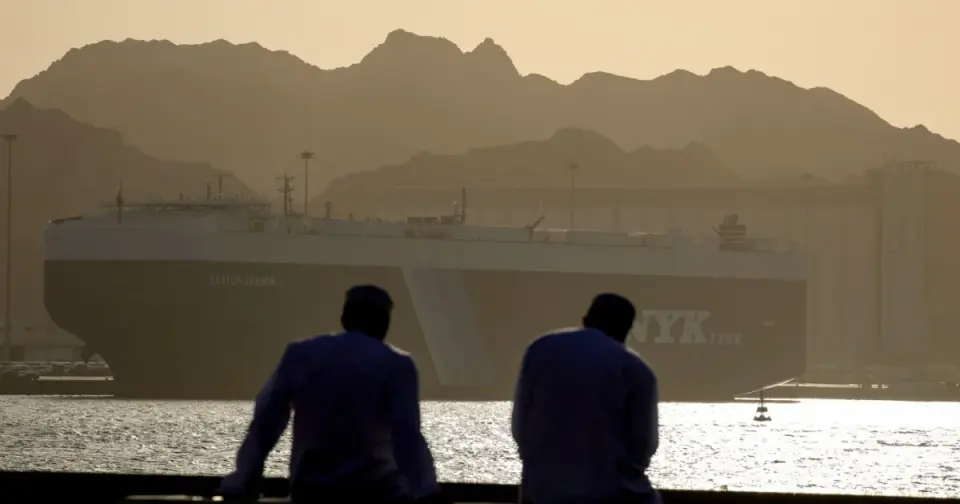
Oil prices fell approximately 7% Monday after the United States and Iran paused their escalating strikes to allow diplomacy to proceed. Brent crude dropped below $90 a barrel, and U.S. crude fell to around $83, reversing a spike above $100 seen last week. Global stock markets rallied, with Nasdaq 100 futures rising 1.4% and S&P 500 futures up 1%, driven by hopes that lower oil prices will ease borrowing costs. However, the pause is fragile; Iran maintains the Strait of Hormuz is closed, and shipping traffic remains minimal. Meanwhile, tensions escalated elsewhere as Ukraine struck an Iranian vessel in the Caspian Sea, and Houthi rebels targeted Saudi infrastructure.
Key points
- Brent crude fell below $90 and U.S. crude dropped to $83, both down roughly 7%, following a three-day pause in strikes after 13 consecutive nights of attacks.
- U.S. Ambassador Mike Waltz stated President Trump is giving talks 'space' to develop, though he acknowledged some U.S. munitions stockpiles are depleted.
- Iranian officials denied active negotiations, with Foreign Ministry spokesman Esmaeil Baghaei stating Tehran has no talks with the U.S. and maintains the Strait of Hormuz is closed.
- Shipping through the Strait of Hormuz remains severely limited, with only 29 verified transits recorded over the weekend, compared to 100+ daily pre-war levels.
- Ukraine struck an Iranian commercial vessel in the Caspian Sea, killing one sailor and prompting Tehran to summon Ukraine’s chargé d’affaires in protest.
- Houthi rebels claimed attacks on Saudi Aramco facilities in Jizan, with satellite imagery showing smoke rising from the refinery area.
Background
This pause follows a June ceasefire that collapsed, leading to 13 nights of escalating strikes. Previous archives noted a fragile stand-down in late June and early July, but the current conflict has intensified, with oil prices previously soaring above $100 due to Hormuz closures and Red Sea disruptions. The current pause is part of a broader pattern of intermittent stand-downs amid ongoing diplomatic maneuvering and regional instability.
How outlets are covering it
NBC News emphasizes the market rally and the diplomatic 'space' created by the pause, while noting Iran’s refusal to negotiate. CNN highlights concerns about U.S. munitions depletion and Iran’s strategic advantage in a prolonged conflict, as well as the Caspian Sea incident. CNBC focuses on the stock market reaction and upcoming megacap earnings, framing the oil drop as a positive for borrowing rates. All sources agree on the pause but differ on its durability and the underlying diplomatic progress.
Why it matters
The pause offers temporary relief to global markets and energy prices, but the continued closure of the Strait of Hormuz and escalating tensions in the Red Sea and Caspian Sea suggest ongoing risks. The depletion of U.S. munitions and Iran’s refusal to negotiate could lead to renewed conflict, impacting global supply chains and economic stability.
What to watch
Investors will watch for signs of renewed strikes or diplomatic breakthroughs. The upcoming week includes megacap earnings and a Federal Reserve meeting, which could further influence market sentiment. Iran’s stance on Hormuz and the Caspian Sea incident may dictate the next phase of the conflict.
- Oil prices slide as U.S. and Iran pause strikes to give ‘space’ for diplomacy NBC News
- Live updates: US-Iran war news; US signals pause in Iran strikes will allow talks to progress CNN
- Oil Prices Sink After U.S. and Iran Pause Fighting for a Second Day The New York Times
- Dow futures rally 500 points as oil prices fall after U.S. and Iran pause attacks: Live updates CNBC
- Oil’s Big Decline May Not Last, Analysts Say WSJ
Want the full story? Read the original reporting
Read on NBC News