
Bank Indonesia Faces Rate Hike Pressure as MSCI Downgrade Threat Deepens
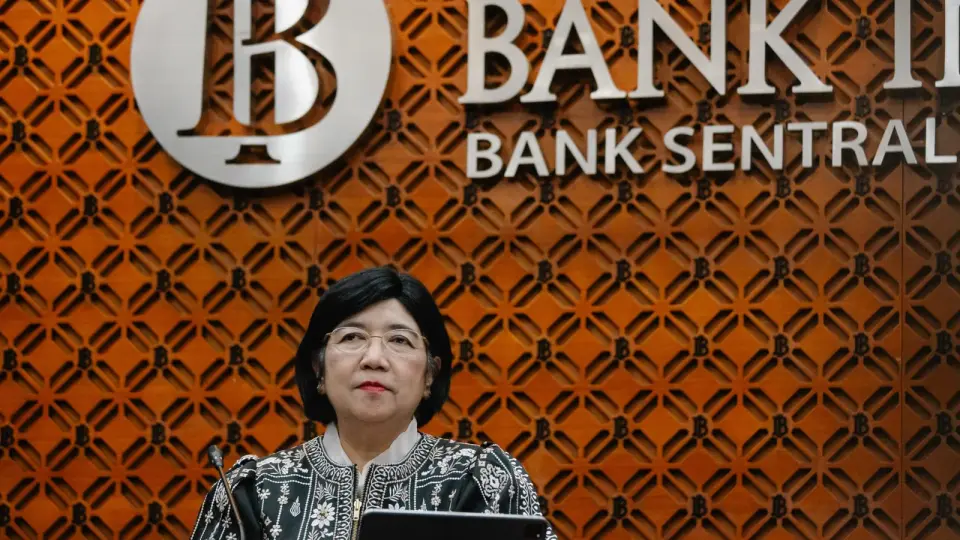
Bank Indonesia is under intense pressure to raise interest rates on Wednesday to stabilize the rupiah, which has weakened to 18,030 per dollar. This move follows a severe stock market sell-off triggered by MSCI's warning that it may downgrade Indonesia from emerging-market to standalone status. Economists are split on the size of the hike, with Citibank expecting a 50-basis-point increase to 6.25%, while Capital Economics and Permata Bank anticipate a 25-basis-point rise to 6%. The central bank has held rates at 5.75% since June, but analysts warn that failing to hike could fuel further currency depreciation and capital flight. MSCI's concerns center on market integrity and transparency, prompting authorities to announce reforms such as expelling tightly held companies from the flagship index. While headline inflation remains within target at 3.28%, the broader economic strain includes a shrinking middle class and high youth unemployment, raising fears of a lasting increase in Indonesia's cost of capital.
Key points
- Bank Indonesia is expected to raise its benchmark rate on Wednesday to stabilize the rupiah, which has fallen about 8% this year to 18,030 per dollar.
- Citibank forecasts a 50-basis-point hike to 6.25%, while Capital Economics and Permata Bank expect a 25-basis-point increase to 6%.
- MSCI warned it may downgrade Indonesia from emerging-market to standalone status, citing concerns over market integrity and transparency.
- The Jakarta Composite Index suffered its worst two-day sell-off in history, though it recovered about 3% after authorities announced market reforms.
- Foreign investors have net sold approximately $5 billion in Indonesian stocks this year, with potential passive outflows of $3 billion to $5 billion if the downgrade is confirmed.
- Headline inflation in September reached 3.28%, within the central bank's target range, while core inflation eased to 2.84%.
Background
This crisis follows a series of earlier developments in October 2026, where Indonesia's stock market hit its lowest levels since 1998 after MSCI proposed reclassifying the country. Previous coverage noted that the state-backed Danantara fund pledged $5 billion to support domestic companies in response to the market turmoil. Additionally, earlier reports highlighted that the rupiah had breached the 18,000 per dollar threshold, and Asian markets reacted to the Indonesian sell-off, with South Korea's KOSPI rebounding while Indonesia's index continued to sink to six-year lows.
How outlets are covering it
CNBC focuses on the immediate monetary policy response, highlighting the split among economists regarding the size of the rate hike and the central bank's need to prevent capital flight. The New York Times provides a broader socio-economic context, framing the MSCI warning as part of a larger 'ticking time bomb' involving a shrinking middle class, high youth unemployment, and political instability under President Prabowo Subianto. While CNBC emphasizes market mechanics and central bank decisions, The New York Times stresses the human impact and the risk of a broader economic collapse similar to 1998. Both sources agree on the severity of the market sell-off but differ in their emphasis, with CNBC focusing on financial instruments and The New York Times on systemic and social risks.
Why it matters
The potential MSCI downgrade and subsequent rate hike could have significant implications for Indonesia's cost of capital and global investment flows. If the downgrade is confirmed, it could trigger billions in passive fund outflows, further weakening the rupiah and increasing borrowing costs for the government and businesses. The central bank's decision on Wednesday will be a critical test of its ability to balance inflation control with currency stability, while the broader economic strain could lead to social unrest and political instability if not addressed through credible market reforms.
What to watch
Bank Indonesia is expected to announce its interest rate decision on Wednesday, with markets watching closely for a hike to stabilize the rupiah. MSCI will continue its consultations on the potential downgrade, with a decision expected by June 2027. Authorities are also expected to implement further market transparency reforms, including free-float data and ownership disclosure, to address MSCI's concerns. Investors will monitor the impact of any rate hike on bond yields and capital flows, while the government may need to consider fiscal adjustments to address the strain on its budget from populist programs.
- Bank Indonesia faces mounting pressure to hike after MSCI threat fuels market rout CNBC
- ‘A Ticking Time Bomb’: An Economic Crisis Looms in Indonesia The New York Times
- Indonesia’s Influencer Strategy Jars Investors Facing MSCI Risk Bloomberg.com
- Indonesia battles to stabilise market after MSCI expulsion threat Reuters
- Indonesia Stocks Log Worst Day Since 1998 on MSCI Downgrade Warning WSJ
Want the full story? Read the original reporting
Read on CNBC