global-markets4 min read
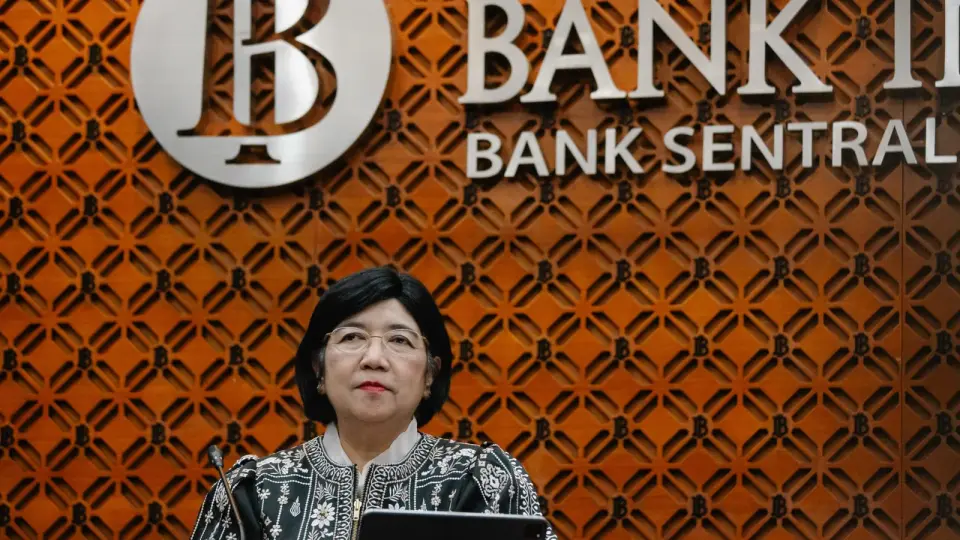
Bank Indonesia Faces Rate Hike Pressure as MSCI Downgrade Threat Deepens
2 hours ago•Source: CNBC
View original source
The latest global markets stories, each synthesized from multiple sources with added background and context.

India’s Finance Minister Nirmala Sitharaman attributes recent equity market declines to high liquidity that facilitates easy exits for foreign investors, despite resilient economic fundamentals. Since January, Indian benchmark indices have fallen nearly 12%, coinciding with record foreign portfolio outflows exceeding $33 billion. While domestic mutual fund inflows remain strong, global capital is shifting toward artificial intelligence hubs like Taiwan and South Korea. Sitharaman identified fuel, fertilizer, and capital flow as primary risks for 2027 but asserted India would not suffer significant spillover effects if the global AI bubble bursts, noting the country is no longer a laggard in frontier technology.

The New York Times•4 days ago
cnbc.com•15 days ago

Global financial markets are under severe pressure from rising inflation and geopolitical instability. The U.S.-Iran conflict has pushed oil prices above $100 a barrel, driving up bond yields to multi-decade highs and forcing central banks to consider further rate hikes. While U.S. stocks ended lower, European markets opened higher, and Asian markets mixed, reflecting a fragmented global response to the energy-driven inflation scare.
Asian equities fell sharply on Monday as oil prices surged past $107 and bond yields hit multi-year highs, driven by geopolitical tensions and an OpenAI training pause. Chipmakers led the losses, while investors braced for potential Fed rate hikes.
Asian stock markets traded unevenly on Wednesday as investors awaited the arrival of Chinese President Xi Jinping in the United States. Chinese and Hong Kong shares declined, with the Shanghai Composite down 0.4% and the Hang Seng Index falling 1%, while South Korea’s KOSPI rose 0.5% on strength in Samsung Electronics. U.S. index futures remained largely flat. The upcoming summit, scheduled for Thursday, focuses on trade, artificial intelligence, and supply chains. Although officials described preparatory talks as productive, investors remain cautious due to unresolved geopolitical tensions, particularly regarding Taiwan and human rights. Oil prices eased slightly, with Brent crude hovering near $99 per barrel, as hopes for U.S.-Iran negotiations reduced geopolitical risk premiums.

Crude oil prices dropped to a two-week low on Tuesday as markets reacted to reports of a potential diplomatic breakthrough with Iran and the resumption of Saudi Arabia’s critical East-West pipeline. Brent crude briefly fell below $98 per barrel, while U.S. West Texas Intermediate crude dipped under $93, marking their lowest levels since September 8. This decline follows a sharp rise in prices earlier in the month due to supply fears. The movement was driven by optimism that the Strait of Hormuz could reopen and that President Donald Trump might engage with Iranian President Masoud Pezeshkian at the United Nations General Assembly. Additionally, the Saudi pipeline, which was shut after Houthi attacks, appears to be restarting, alleviating concerns about a prolonged supply crunch. While bond yields and stock markets rallied on the news, retail fuel prices remain elevated, with diesel hitting an all-time high.
U.S. stock futures rose as investors weighed AI safety talks between Washington and Beijing against escalating Houthi-Saudi fighting in Yemen. Oil prices fell despite regional tensions, driven by increased Saudi exports and diplomatic hopes.
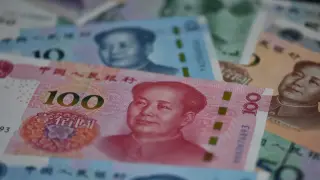
The Japanese yen’s 6% rally against the dollar since late July has forced traders to seek new funding currencies for carry trades, with the Chinese yuan and Canadian dollar emerging as primary alternatives. This shift follows a historic unwind of speculative yen shorts and hawkish signals from the Bank of Japan, which is expected to raise rates this week. While the yen remains a key funding source due to low global rates, its recent strength and regulatory warnings have reduced its attractiveness, prompting a rotation toward other low-yield currencies.

Brent crude jumped 3.5% to $108 after Oman postponed a critical meeting with Iran and Gulf states over the Strait of Hormuz. The delay, attributed to a lack of consensus and recent Houthi attacks in Yemen, threatens a temporary shipping agreement. Simultaneously, Saudi Arabia closed its East-West pipeline after a drone strike, further restricting oil exports and deepening regional instability.

European stocks opened higher on Friday, led by travel and banking sectors, while Asian markets fell sharply due to Middle East tensions. The UK economy outperformed expectations with 1.6% annual growth, boosting the pound but raising concerns about high borrowing costs. US 10-year Treasury yields approached 5% amid a bond sell-off, and oil prices extended gains past $108 per barrel. Oracle shares jumped 6% after beating earnings estimates, while Chinese chipmaker Enflame soared 206% on its debut.
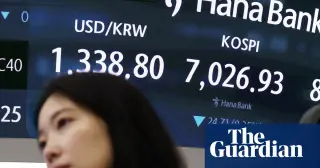
Global bond yields spiked as oil prices jumped above $107, driven by Houthi advances in Yemen and Saudi production cuts. US 30-year yields hit a 2007 high, while the ECB raised rates to 2.5% and the Fed faces pressure to hike despite a failed Treasury buyback.

The European Central Bank (ECB) raised its key interest rates by 25 basis points on September 10, 2026, lifting the deposit facility rate to 2.50%. This move, the second since the U.S.-Iran conflict began in February, aims to combat inflation driven by energy price spikes. Despite the hawkish signal, gold prices experienced only a minor decline, trading at $4,367 per ounce, as markets absorbed the news with limited selling pressure.