
Cyclospora Outbreak Shifts Focus to Local Black Farms and Supply Chain Gaps
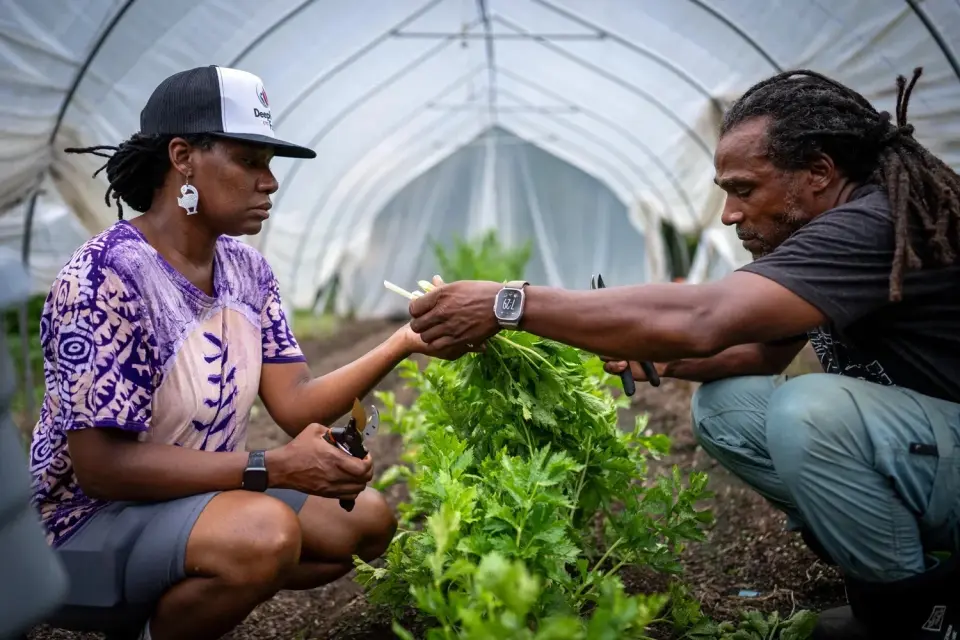
The ongoing cyclospora outbreak has driven a surge in consumer interest toward local Black farms, as people seek trusted food sources amid supply chain uncertainties. While federal data shows over 22,000 cases, experts emphasize that most produce remains safe, and direct farm-to-table models offer better traceability than industrial distribution networks.
Key points
- Since June, the US has recorded over 22,000 cyclospora cases across 47 states, resulting in more than 500 hospitalizations and two deaths, primarily linked to iceberg lettuce from central Mexico.
- Deep Roots CPS Farm in Charlotte, North Carolina, reports increased traffic from Black consumers seeking trusted produce sources, citing concerns about the parasite and a desire for culturally relevant food.
- The FDA Enforcement Report reveals that only 2.5% of recalled Taylor Farms lettuce went to Taco Bell; 46% went to Walmart’s Marketside brand, and 29% to Taylor Farms’ own brand, highlighting broader distribution risks.
- Public health experts advise that cooking produce to 158°F or choosing canned/frozen items reduces risk, while raw leafy greens and herbs remain higher risk due to difficulty in cleaning crevices.
- Black farmers face expansion challenges due to rising costs, labor shortages, and reduced federal support, despite growing consumer demand for local, traceable food systems.
Background
This outbreak follows earlier alerts regarding Taylor Farms’ recall of iceberg lettuce and jalapeño products linked to separate Salmonella and cyclospora incidents. Previous coverage noted that store-brand lettuces from major retailers like Walmart and Kroger were implicated, complicating consumer awareness. The current crisis has intensified scrutiny of the complex produce supply chain, where contamination can occur during co-mingling at distribution centers.
How outlets are covering it
Capital B News emphasizes the social and economic impact on Black farmers, highlighting how the outbreak has revitalized support for local, culturally relevant food systems. In contrast, Ars Technica focuses on the logistical and corporate accountability aspects, detailing how the FDA report exposed that the majority of contaminated lettuce went to large retailers like Walmart rather than fast-food chains. TODAY.com provides a consumer-focused perspective, offering practical advice on lower-risk produce and cooking methods, while The Conversation explores the scientific mechanism of sewage contamination in irrigation, linking the outbreak to broader water management issues.
Why it matters
The outbreak underscores vulnerabilities in the industrial food supply chain, where complex distribution networks delay traceability and increase contamination risks. It also highlights the critical role of local and Black-owned farms in providing food security and cultural relevance, especially as federal support for small-scale agriculture diminishes. Understanding the distribution of recalled products helps consumers make informed choices and supports more resilient local food systems.
What to watch
Health officials continue to investigate the sources of cyclospora, with ongoing concerns about surveillance gaps due to reduced funding for programs like FoodNet. Consumers are encouraged to monitor recall updates, choose lower-risk produce, and support local farms year-round to build more resilient food systems. Further research into wastewater surveillance and irrigation practices may help prevent future outbreaks.
- After Cyclospora Outbreak, Local Black Farms See Rise in Support Capital B News
- Less than 2.5% of Taylor Farms’ recalled lettuce went to Taco Bells Ars Technica
- 5 Low-Risk Fruits and Vegetables As the Cyclospora Outbreak Grows — And Whether to Avoid Lettuce TODAY.com
- Cyclospora spreads through human waste – so how did it get on food? The Conversation
- Salad is supposed to be good for you – so what’s behind all the cases of lettuce poisoning? The Guardian
Want the full story? Read the original reporting
Read on Capital B News