
Amazon Leo accelerates Falcon 9 launches after Vulcan failure
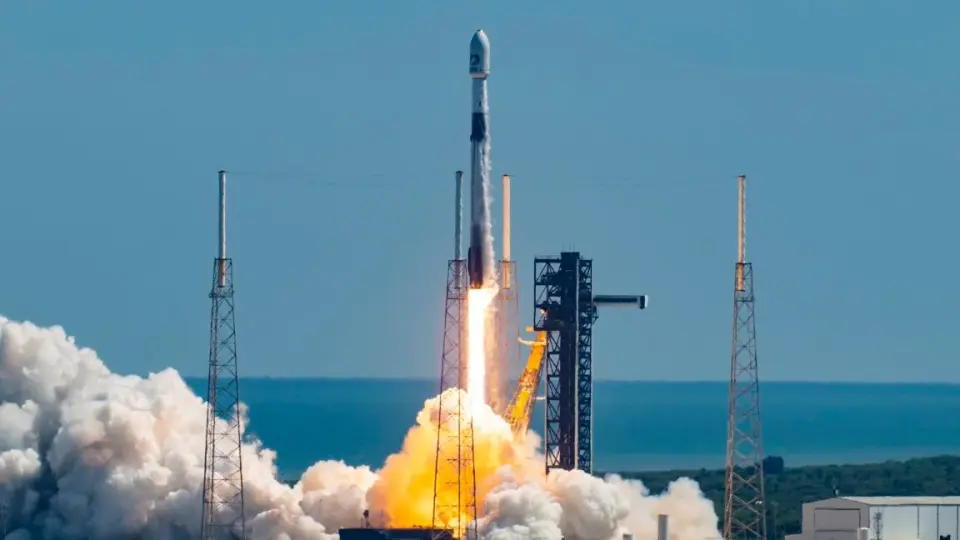
Amazon Leo successfully launched 36 satellites via Ariane 6 on November 24, 2026, reaching 432 in orbit. Following the loss of 40 satellites in a ULA Vulcan failure on November 15, Amazon is accelerating its use of SpaceX Falcon 9 rockets to maintain its build-out schedule.
Key points
- Arianespace’s Ariane 6 rocket launched 36 Amazon Leo satellites from French Guiana on November 24, 2026, marking the fourth successful flight for Amazon this year.
- The launch occurred nine days after a ULA Vulcan Centaur failure on November 15 destroyed 40 Amazon Leo satellites, marking ULA’s first full mission failure since 2006.
- Amazon is accelerating its schedule with SpaceX, moving the next Falcon 9 launch from 2027 to December 2026, with several more flights planned in rapid succession.
- Amazon Leo now has 432 satellites in orbit, aiming for a first-generation constellation of 3,232 satellites by July 2029, after receiving an FCC extension.
- Blue Origin’s New Glenn rocket remains grounded after a pad explosion in May 2026, with its first flight now expected in early 2027.
Background
Amazon Leo began signing launch contracts in 2023, securing rides on 108 flights to deploy 3,232 satellites. The FCC granted Amazon a waiver in June 2026, extending the deadline to deploy half its constellation from July 2026 to July 2029. The network aims to compete with SpaceX’s Starlink, which currently has over 11,000 satellites in orbit.
How outlets are covering it
Ars Technica emphasizes Amazon’s strategic pivot to SpaceX Falcon 9 as a reliable backup, noting that Starlink’s shift to Starship frees up Falcon 9 slots. Spaceflight Now highlights the broader industry crisis, detailing how ULA and Blue Origin failures have forced Amazon to rely on Arianespace and SpaceX. Bloomberg focuses on the competitive angle, framing the Ariane 6 launch as a necessary step for Amazon to rival Elon Musk’s Starlink. Arianespace provided technical details on the launch window and confirmed the successful deployment of all 36 satellites.
Why it matters
The reliability of launch providers is critical for Amazon’s ability to compete in the satellite broadband market. The grounding of ULA’s Vulcan and Blue Origin’s New Glenn has created a bottleneck, forcing Amazon to accelerate its use of SpaceX and Arianespace. This shift may widen the gap between Amazon Leo and Starlink, as SpaceX continues to expand its network using Starship.
What to watch
Amazon plans its next Falcon 9 launch for December 2026, with several more flights scheduled in rapid succession. Blue Origin expects to resume New Glenn flights in early 2027, though slots for Amazon may be limited due to NASA’s Artemis program. European governments are considering increasing Ariane 6 production to meet demand, with a decision expected next month.
- Amazon discovers Falcon 9 and Ariane 6 can deliver when nobody else can Ars Technica
- Why Amazon’s Rival to Starlink Is Struggling to Catch Up With SpaceX WSJ
- Arianespace launches 36 Amazon Leo sats amid rocket crunch Spaceflight Now
- Amazon Launches Satellites for Network to Rival Starlink Bloomberg.com
- Mission VA271/LE-04: Ariane 6 Launch Rescheduled for November 24, 2026 Newsroom Arianespace
Want the full story? Read the original reporting
Read on Ars Technica