
Merck and Daiichi Withdraw Lung Cancer Drug Filing After FDA Rejection
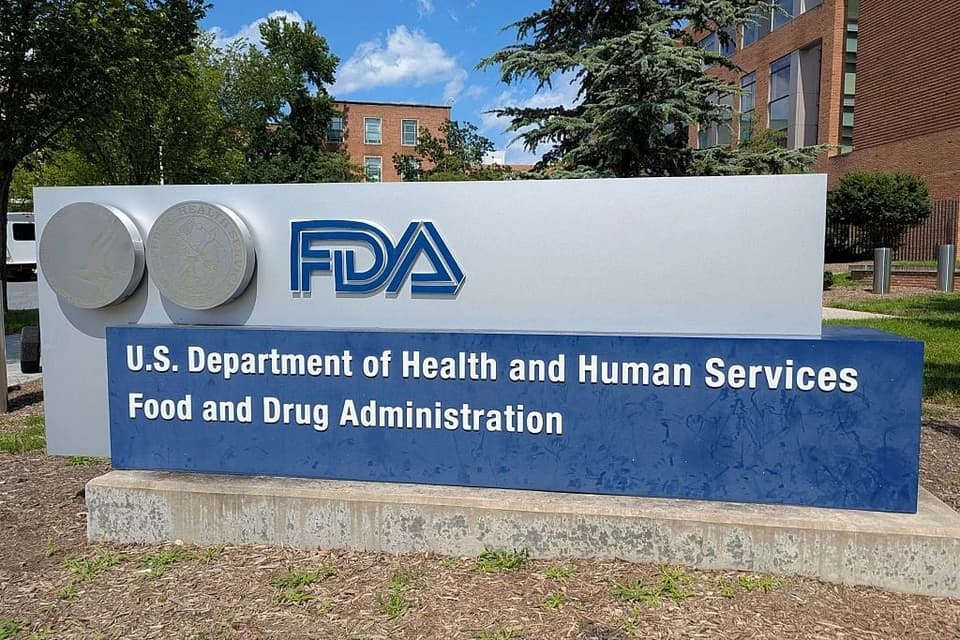
Merck and Daiichi Sankyo voluntarily withdrew their accelerated approval application for the antibody-drug conjugate ifinatamab deruxtecan (I-DXd) in small cell lung cancer after the FDA deemed the data insufficient. This setback delays revenue from a $4 billion partnership and impacts competitors like Amgen and GSK.
Key points
- Merck and Daiichi Sankyo pulled the FDA filing for I-DXd in extensive-stage small cell lung cancer (ES-SCLC) after the agency stated the data did not meet accelerated approval standards.
- The decision follows the phase 2 IDeate-Lung01 trial, which enrolled 187 patients but failed to provide sufficient evidence for approval despite 'promising' efficacy results.
- This is the latest setback for the $4 billion partnership, which previously faced rejections for the HER3-directed asset patritumab deruxtecan in 2024 and 2025.
- The withdrawal delays the timeline for generating returns on the deal, with phase 3 trials for I-DXd in other cancers not completing until 2028.
- The move impacts competitors, including Amgen, which sells a T-cell engager for ES-SCLC, and GSK, which is developing a rival B7-H3-directed ADC.
Background
This filing withdrawal is the latest regulatory hurdle for the Merck-Daiichi partnership, which has faced multiple setbacks since the 2023 deal. Earlier issues included manufacturing-related rejections and failed survival endpoints for the HER3-directed asset patritumab deruxtecan. While the archive notes other lung cancer treatments like daraxonrasib showing promise in non-small-cell cases, the current focus remains on the struggles of the ADC partnership in small cell lung cancer.
How outlets are covering it
Fierce Biotech and Endpoints News both confirm the voluntary withdrawal of the I-DXd filing following FDA pushback. Fierce Biotech provides specific details on the trial size (187 participants) and the impact on competitors like Amgen and GSK. OncLive confirms the withdrawal in previously treated extensive-stage SCLC. Yahoo's source was inaccessible due to technical errors, but its title aligns with the withdrawal of the cancer drug application. All sources agree on the voluntary nature of the withdrawal and the FDA's role in the decision.
Why it matters
The withdrawal delays the commercialization of a key asset in a multi-billion dollar partnership, affecting Merck's oncology pipeline and potentially shifting market dynamics for competitors in the small cell lung cancer space. It highlights the challenges in securing FDA approval for antibody-drug conjugates and the importance of robust phase 3 data.
What to watch
Merck and Daiichi may resubmit the application once the phase 3 IDeate-Lung02 trial completes enrollment. The partners are also advancing I-DXd in castration-resistant prostate cancer and esophageal squamous cell carcinoma, with phase 3 trials set for completion in 2028. The third asset in the deal, R-DXd, has a phase 2/3 trial in ovarian cancer completing in February 2028.
- Merck, Daiichi pull lung cancer filing after FDA pushback deals another blow to $4B deal Fierce Biotech
- Ifinatamab Deruxtecan BLA Voluntarily Withdrawn in Previously Treated Extensive-Stage SCLC OncLive
- Merck, Daiichi pull US application for second partnered cancer therapy Reuters
- Merck, Daiichi scrap FDA application for B7-H3 ADC in lung cancer Endpoints News
- Daiichi Sankyo, MSD withdraw cancer drug application Yahoo
Want the full story? Read the original reporting
Read on Fierce Biotech