
Moderna CEO Hails Cancer Prevention 'Holy Grail' as Personalized Vaccine Nears FDA Filing
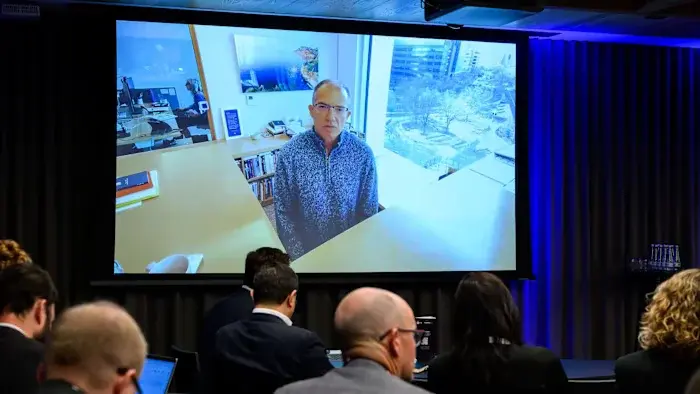
Moderna CEO Stéphane Bancel stated that the company’s personalized mRNA cancer vaccine could prevent cancer in high-risk groups, calling it the 'holy grail' of oncology. The therapy, developed with Merck, showed a 42% reduction in melanoma recurrence in Phase 3 trials. While the treatment is expected to seek FDA approval in 2027, Bancel emphasized its potential to prevent cancer entirely in patients with Lynch syndrome and BRCA mutations, potentially surpassing the revenue of Merck’s Keytruda.
Key points
- Moderna and Merck are preparing to submit a biologics license application for intismeran autogene by the end of 2026, aiming for FDA approval in 2027.
- Phase 3 trial results showed the personalized vaccine combined with Keytruda reduced melanoma recurrence or death risk by 42%, with a 58% reduction observed in a six-month sensitivity analysis.
- CEO Stéphane Bancel indicated the vaccine could prevent cancer in patients with Lynch syndrome, a genetic condition affecting one in 300 people, and is exploring applications for BRCA mutation carriers.
- Moderna reported $1.31 billion in third-quarter revenue, its first quarterly profit in two years, and raised its 2026 revenue growth outlook to 15-25%.
- Manufacturing challenges remain, as each dose is customized for individual patients, requiring weeks to produce and raising questions about commercial scalability and cost.
Background
Moderna’s stock has surged over 760% year-to-date, reversing its status as the most shorted stock in the S&P 500 last year. This momentum follows the August 2026 announcement of successful Phase 3 melanoma trial results. The company’s financial turnaround includes a return to profitability in Q3 2026, driven by international COVID-19 vaccine sales and anticipation of the cancer therapy’s launch. This development follows broader industry trends in personalized medicine, such as the 2010 approval of Provenge for prostate cancer, though intismeran uses mRNA technology rather than immune cell modification.
How outlets are covering it
The Financial Times highlights Bancel’s ambitious vision for cancer prevention, noting his belief that the vaccine could outperform Keytruda, which generated $31.7 billion in revenue for Merck last year. Yahoo Finance focuses on regulatory and manufacturing hurdles, questioning whether the 2027 approval timeline is realistic given FDA review processes and the complexity of individualized production. TIKR emphasizes the stock’s premium valuation, noting it trades at 46x forward sales, and points out that while Q3 results showed profit, the market remains cautious about long-term commercial execution. Royal Examiner provides a historical perspective, contrasting intismeran with Provenge, noting that while Provenge faced adoption barriers due to cost and complexity, intismeran’s mRNA approach may offer a more scalable, though still challenging, manufacturing model. All sources agree on the clinical significance of the 42% recurrence reduction but differ on the feasibility of Bancel’s prevention claims and the speed of commercialization.
Why it matters
If approved, intismeran could diversify Moderna’s revenue beyond seasonal respiratory vaccines and reduce reliance on competitors like Pfizer and GSK. The potential to prevent cancer in high-risk genetic populations could significantly lower healthcare costs and transform oncology from treatment to prevention. However, the success of this model depends on overcoming manufacturing bottlenecks and achieving commercial viability, which could influence the future of personalized medicine across multiple cancer types.
What to watch
Moderna and Merck plan to submit the FDA application by year-end 2026. Investors will watch for details on manufacturing capacity at Moderna’s Marlborough site, to be showcased on November 12. The companies are also advancing trials for bladder, lung, and kidney cancers. Bancel has indicated that late-stage trials for cancer prevention in Lynch syndrome patients are being planned, though no specific timeline has been announced.
- Moderna chasing ‘holy grail’ of cancer prevention Financial Times
- Can Moderna's First Cancer Therapy Win FDA Approval in 2027? Yahoo Finance
- Moderna Stock Rises 8% in Five Sessions as CEO Sees Cancer Vaccine Working in “More Cancers Than Melanoma” TIKR.com
- A Cancer Vaccine Made for One Patient at a Time Shows Promise Against Melanoma Royal Examiner
- Moderna’s CEO eyes Keytruda-eclipsing future for personalised cancer vaccine Pharmaceutical Technology
Want the full story? Read the original reporting
Read on Financial Times