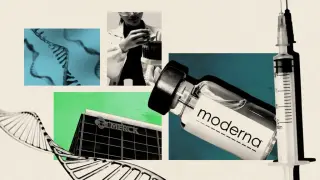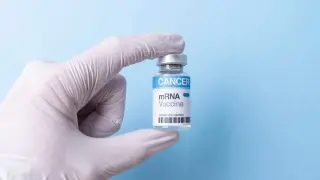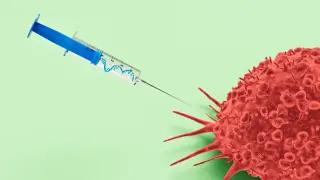
Moderna co-founder Kenneth Chien remains bullish on mRNA’s potential, predicting an mRNA cancer vaccine could reshape oncology and lift the entire field, even as past Moderna–AstraZeneca deals failed to deliver the planned drugs.
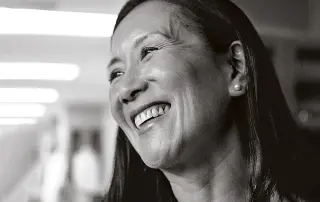
A UCLA-led immunotherapy approach for glioblastoma exposes a patient’s white blood cells to tumor cells outside the brain, then reinfuses them as a vaccine. From 2003–2019 trials, 331 patients received the vaccine and 20–25% survived years longer, with 2023 JAMA Oncology results prompting further study of why some patients respond. Researchers are examining biomarkers like MGMT methylation and the gut microbiome to predict benefit. The work, led by Dr. Linda Liau, has earned recognition in medicine and reflects her personal drive born from family experience with brain cancer.
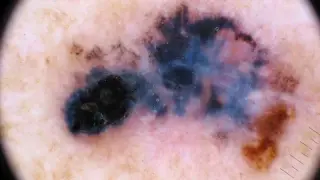
A phase 2b trial (KEYNOTE-942) shows adding the personalized mRNA vaccine intismeran to pembrolizumab after melanoma surgery reduces recurrence or death by 49% over five years. The combo also lowers distant metastasis risk by 59% and yields 92.2% overall survival versus 71.3% with pembrolizumab alone. Five-year follow-up found 68.8% cancer-free in the combo group vs 50.9% in controls. The study, conducted in the US and Australia with 107 patients in the combo arm and 50 in control, reported manageable side effects and is guiding a phase 3 trial, with Moderna and Merck funding.
An Australian tech entrepreneur used AI tools to help design a personalized mRNA cancer vaccine for his eight-year-old dog, Rosie, after mast cell tumors persisted post-surgery and chemotherapy. DNA sequencing of Rosie’s tumor identified mutations (neoantigens); AI helped select targets, and researchers at the University of New South Wales turned these into an experimental vaccine administered to Rosie, with several tumors shrinking and the dog showing improved energy. However, this is a single case, not a controlled study, so it cannot be taken as a cure and highlights the need for robust testing, ethical safeguards, and careful interpretation of AI-assisted results before broader use.
A 20-year-old breast cancer vaccine trial shows all participants are still alive decades later, suggesting durable immune memory. Researchers found persistent CD27-marked CD4+ T cells can recognize the cancer, hinting that CD27 could make cancer vaccines more effective. In mice, combining the vaccine with a CD27-activating antibody nearly doubled tumor elimination (about 40% complete responses vs 6% with vaccine alone); adding extra support for CD8+ T cells pushed tumor rejection to ~90%. These findings imply CD27 could be a key addition to cancer vaccines and compatible with existing therapies.
Researchers studied survivors from a decades-old breast cancer vaccine trial and found they retain powerful CD27+ immune memory years later. In mice, combining a CD27-activating antibody with a HER2-targeting vaccine dramatically increased tumor rejection, largely via CD4+ T cells and, with additional CD8+ T-cell support, boosted efficacy to near 90%. The findings suggest CD4+ T cells can drive lasting anti-tumor immunity and that a single CD27 boost alongside vaccines could enhance cancer immunotherapies in humans.
Moderna and Merck report promising results for a patient-tailored mRNA cancer vaccine paired with Keytruda in high-risk melanoma. The vaccine, designed from a patient’s tumor mutations (neoantigens), reduced recurrence or death by 49% versus immunotherapy alone and demonstrated durable immune memory over five years, signaling a potential breakthrough for personalized cancer vaccines and future skin-cancer prevention.
Moderna shares rose about 10% after Phase 2 data showed its cancer vaccine, when combined with Keytruda, reduced relapse or death risk in melanoma, signaling potential for its oncology pipeline as Covid-era vaccine sales fade and cash stockpiles dwindle. Evercore ISI called the asset a key value driver, while the stock remains rated a Hold by analysts with notable downside risk baked into targets.
In a Phase 2 trial of 157 high‑risk stage 3/4 melanoma patients, Moderna and Merck’s personalized mRNA vaccine (mRNA-4157) plus Keytruda reduced recurrence or death at five years by about 49% versus Keytruda alone. Earlier two- and three-year data showed similar risk reductions (44% and 49%). Safety was similar between groups, with fatigue, injection-site pain, and chills most common. Full data aren’t yet published; a Phase 3 trial is underway and more data from this program are expected.
A phase 1b/2 trial of a preventive cancer vaccine for Lynch syndrome carriers, including Kevin Heyink, showed the vaccine is safe and elicits a lasting immune response. In a 45-participant trial, vaccinated individuals had fewer precancerous lesions and no advanced tumors; Heyink has since had three cancer-free colonoscopies in a row. The vaccine uses a modified adenovirus to train the immune system to recognize Lynch-related proteins, offering hopeful potential to reduce cancer risk, though larger trials are needed before wider use.
Scientists at UMass Amherst have developed a nanoparticle-based vaccine that successfully prevents multiple aggressive cancers in mice, including melanoma, pancreatic, and breast cancers, by activating strong immune memory and targeting cancer-specific antigens, with potential for broad application in cancer prevention and treatment.
A study of women treated over 20 years ago with a cancer vaccine shows long-lasting immune responses, and researchers found that targeting the CD27 marker could enhance vaccine effectiveness, potentially improving long-term survival in breast cancer patients.
A new nanoparticle-based cancer vaccine shows promising results in mice, preventing multiple tumor types with up to 88% efficacy over 250 days, though human applicability remains to be tested.
Researchers at the University of Florida have developed a promising universal cancer vaccine using mRNA technology that stimulates the immune system to attack various tumors, especially when combined with immune checkpoint inhibitors, showing strong results in mice and paving the way for future human trials.
RFK Jr. has canceled promising research on a cancer vaccine due to his anti-vaccine stance, risking the US's leadership in mRNA technology, which is crucial for rapid response to health threats and national security, and potentially ceding this strategic advantage to countries like China.