
FDA identifies major brands in massive cyclospora lettuce recall
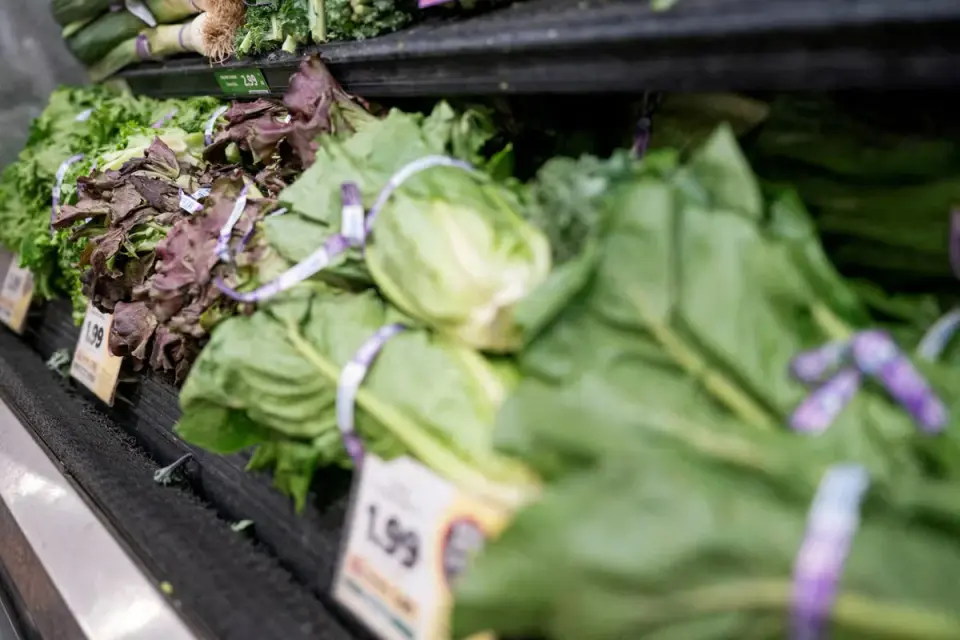
The FDA has identified major brands affected by a massive lettuce recall linked to a cyclospora parasite outbreak. The recall involves iceberg lettuce from Taylor Farms, distributed to 27 states and served at chains like Taco Bell. Over 22,000 cases have been reported across 47 states, with Michigan accounting for over 12,400 cases and two deaths. Experts warn that sewage contamination may be driving the outbreak, while consumers are advised to discard recalled products and consider cooking or peeling produce to reduce risk.
Key points
- The FDA is investigating six separate cyclospora outbreaks, with the largest spanning at least 15 states.
- Taylor Farms issued a nationwide recall of iceberg lettuce from central Mexico, distributed to 27 states.
- Over 22,000 confirmed or suspected cases have been reported since May, with two deaths in Michigan.
- Cyclospora is difficult to track and can survive in sewage, potentially contaminating crops through irrigation.
- Experts recommend cooking produce to 158°F or peeling thick-skinned fruits to reduce risk.
Background
This outbreak follows a series of food safety incidents in 2026, including a massive egg recall for Salmonella and a wave of recalls for soups, fruit pouches, and plant-based products. In July, Taylor Farms’ CEO addressed the lettuce outbreak, which prompted a recall and a class-action lawsuit. The current situation highlights ongoing challenges in tracking foodborne pathogens and the impact of sewage contamination on agricultural supply chains.
How outlets are covering it
The Independent focuses on the FDA’s identification of major brands in the recall, emphasizing the scale of the outbreak. The Conversation highlights the role of sewage contamination in spreading cyclospora, noting that treated wastewater may not eliminate the parasite. TODAY.com provides consumer advice, suggesting that cooking or peeling produce can reduce risk, while acknowledging that no fresh produce is completely risk-free. Outlets agree on the severity of the outbreak but differ in emphasis: The Independent and TODAY.com focus on the recall and consumer actions, while The Conversation explores the environmental and scientific factors driving the outbreak.
Why it matters
The cyclospora outbreak underscores vulnerabilities in the U.S. food supply chain, particularly the reliance on treated sewage for irrigation. The difficulty in tracking cyclospora and the potential for sewage contamination to spread the parasite highlight the need for improved monitoring and treatment of wastewater. Consumers face increased risks from raw produce, and the outbreak may lead to stricter regulations on food safety and water quality.
What to watch
Health authorities are continuing to investigate other possible sources of the outbreak, including cilantro and parsley in North Carolina. The FDA is expected to update the recall list as new information emerges. Consumers are advised to monitor outbreak updates and follow food safety practices, such as washing produce and cooking thoroughly. Long-term, the outbreak may prompt changes in wastewater treatment and agricultural practices to prevent future contamination.
- FDA names major brands hit by massive lettuce recall over parasite The Independent
- Cyclospora spreads through human waste – so how did it get on food? theconversation.com
- Worried About the Lettuce in Your Salad? Some New Yorkers Opt to Buy Local. The New York Times
- 5 Low-Risk Fruits and Vegetables As the Cyclospora Outbreak Grows — And Whether to Avoid Lettuce TODAY.com
- FDA’s ‘explosive diarrhea’ report reveals all the Taylor Farms recall products and affected restaurants The Independent
Want the full story? Read the original reporting
Read on The Independent