health-and-food-safety18 min read
Cyclospora Outbreak Sparks Debate Over Lettuce Safety and Nutritional Value
1 month ago•Source: The Washington Post
View original source
The latest health and food safety stories, each synthesized from multiple sources with added background and context.
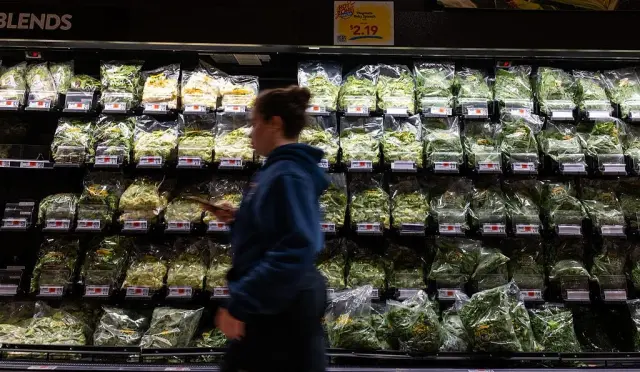
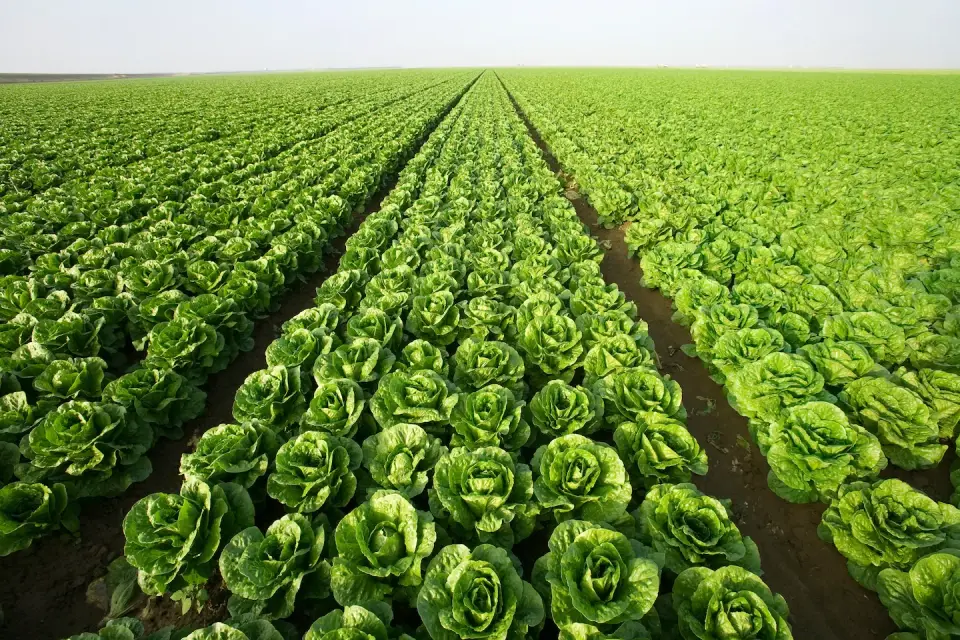
A massive cyclosporiasis outbreak linked to Taylor Farms iceberg lettuce has sickened over 15,000 people and caused two deaths. While recalled products are no longer on shelves, shoppers are shifting to local growers and controlled-environment agriculture for safer greens.

USA TODAY•2 years ago
Ars Technica•2 years ago

The FDA has proposed to ban the use of brominated vegetable oil (BVO) in the US following recent toxicology studies that raise concerns about its safety. BVO, used as an emulsifying agent in citrus-flavored sodas, has been linked to potential health risks and is already banned in many countries. Major soda companies have been phasing out BVO from their products, and the FDA is also reviewing regulations on food additives. The final decision on the ban is pending, but suitable alternatives to BVO are already in use.
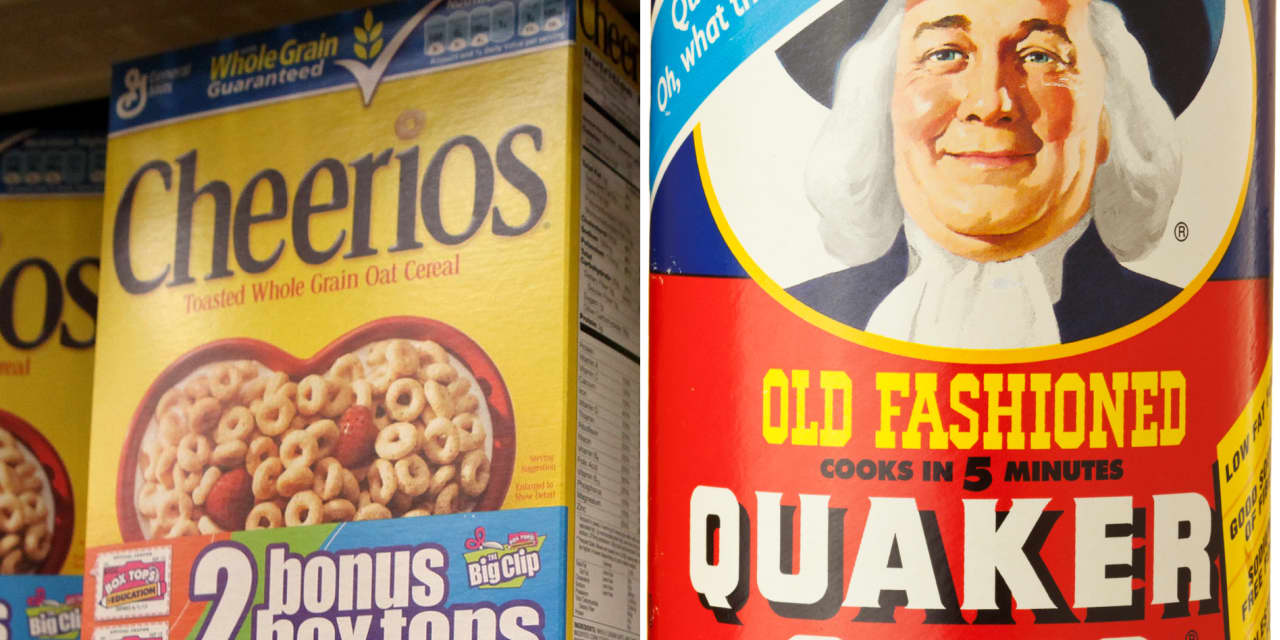
A study by the Environmental Working Group found detectable levels of the pesticide chlormequat in 92% of nonorganic oat-based foods, including popular cereals like Cheerios and Quaker Oats. While the substance's impact on humans is not fully understood, the EWG recommends opting for organic oat products, as they are grown without synthetic pesticides. Experts echo this advice, emphasizing the potential risks to fetal development and reproductive systems. The EPA is considering approving chlormequat for use on crops grown in the U.S., despite concerns raised by scientists and environmental health professionals.
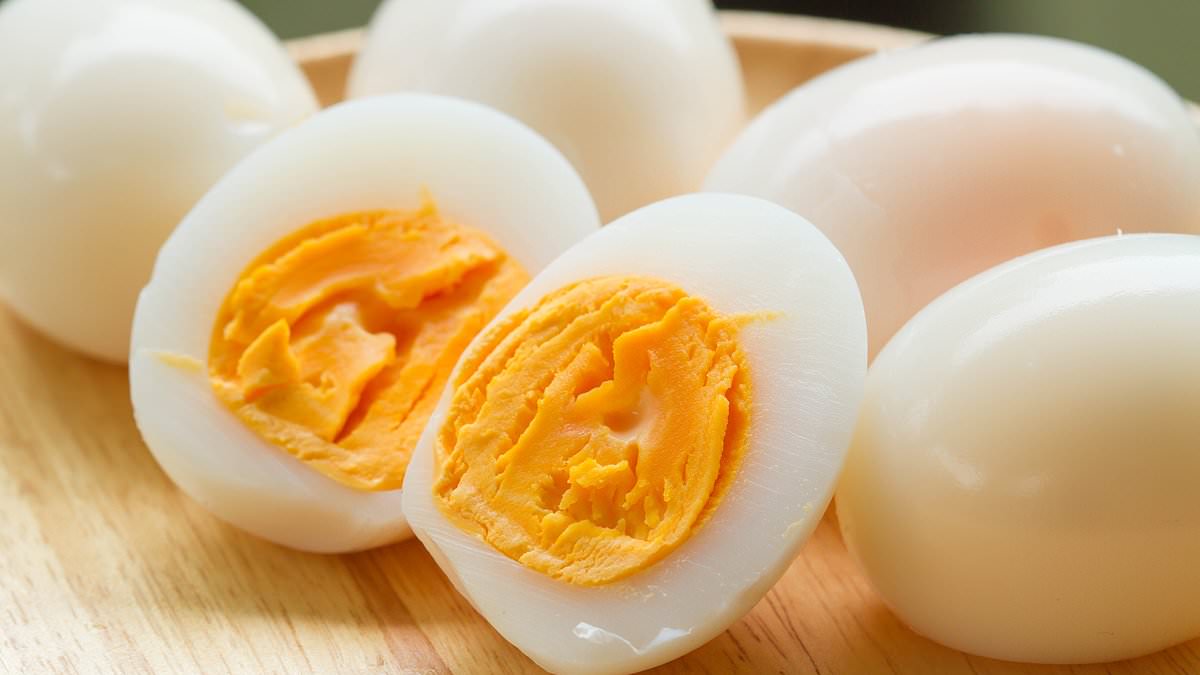
Certain perishable foods, such as hardboiled eggs, ground meat, cantaloupe melon, raw chicken, and cooked rice, can become unsafe to eat within a day or two of being cooked or opened. These foods are prone to bacterial growth and can cause illnesses such as listeriosis, salmonella, E. coli infections, and Bacillus cereus. It is important to refrigerate leftovers promptly, store them in airtight containers, and consume them within the recommended timeframes to avoid foodborne illnesses.