
GLP-1 Makers Face Surge in Vision Loss Lawsuits Over Rare Eye Condition
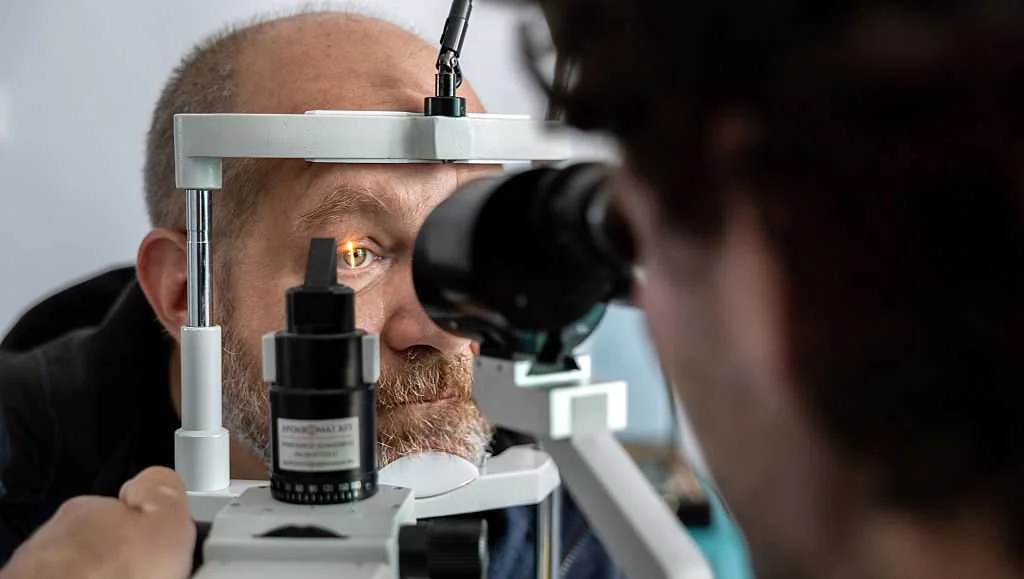
Lawsuits against Novo Nordisk and Eli Lilly are increasing over allegations that GLP-1 drugs cause NAION, a rare condition leading to permanent vision loss. While the FDA investigates the link, drugmakers deny causation, citing mixed research and the low overall risk of the condition.
Key points
- Over 100 lawsuits have been filed in New Jersey since 2025, with additional claims in Philadelphia, alleging that GLP-1 drugs like Ozempic and Zepbound caused NAION.
- NAION is a rare condition that causes sudden vision loss due to reduced blood flow to the optic nerve, typically affecting people over 50.
- The FDA is investigating the potential link, but no warning about NAION is currently on U.S. drug labels, unlike in the EU, UK, Australia, and Japan.
- Novo Nordisk and Eli Lilly deny a significant relationship between their drugs and NAION, noting that diabetic patients are already at higher risk for vision issues.
- Research on the link is mixed, with some studies showing an association and others finding no correlation, leading experts to conclude there is insufficient evidence for a definitive causal link.
Background
This story follows earlier reports from September 2026 detailing the initial surge in lawsuits and the debate over the NAION link. It also follows a March 2026 report on potential hair shedding side effects of GLP-1 drugs, highlighting ongoing scrutiny of the medication's safety profile.
How outlets are covering it
WCVB and USA Today emphasize the volume of lawsuits and the mixed research, while AZ Family highlights the personal impact on patients and the lack of U.S. warnings. Boston 25 News focuses on a specific patient's experience, illustrating the severity of the condition. All sources agree that the drugmakers deny causation and that the FDA is investigating.
Why it matters
The lawsuits and FDA investigation could lead to changes in drug labeling and prescribing practices, impacting millions of patients using GLP-1 drugs for weight loss and diabetes. The outcome will also influence the safety profile and public perception of these widely used medications.
What to watch
The FDA's investigation into the potential link between GLP-1 drugs and NAION is ongoing. The outcome of the lawsuits and the FDA's findings could lead to updated drug labels and warnings in the U.S., similar to those in other countries.
- Some GLP-1 companies facing lawsuits over vision loss. What to know WCVB
- Are GLP-1s causing blindness? What we know about rare cases USA Today
- Hundreds of lawsuits allege GLP-1s like Ozempic, Wegovy, Mounjaro caused vision loss AZ Family
- Irreversible blindness: Mass. man shares shocking side effect of GLP-1 drug | Full interview Boston 25 News
- Woman Details Losing Vision in 1 Eye After Taking GLP-1 As Hundreds of Patients Sue Drug Companies TODAY.com
Want the full story? Read the original reporting
Read on WCVB