Tag

Naion

All articles tagged with #naion

Massachusetts Father’s Blindness Lawsuit Highlights Growing GLP-1 Vision Disputes
health-and-legal9 days ago

Massachusetts Father’s Blindness Lawsuit Highlights Growing GLP-1 Vision Disputes

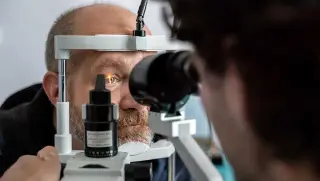
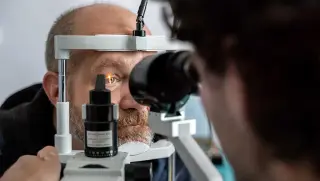
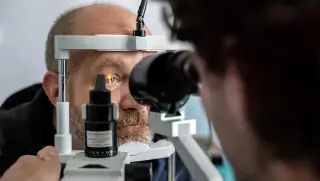
Edward Gillen, a Massachusetts father and former state highway worker, has joined a wave of over 200 lawsuits alleging that GLP-1 drugs like Ozempic caused permanent blindness. He claims the medication led to non-arteritic anterior ischemic optic neuropathy (NAION), a rare condition described as a 'stroke' of the optic nerve. While Gillen and other plaintiffs argue that manufacturers failed to warn about this risk, Novo Nordisk maintains that the drug has a strong safety profile and that the lawsuits are without merit. Medical experts remain divided, with some noting a potential link while others emphasize the risk is low and unconfirmed.


Massachusetts Father Sues Novo Nordisk Over Permanent Blindness Linked to Ozempic
health9 days ago

Massachusetts Father Sues Novo Nordisk Over Permanent Blindness Linked to Ozempic

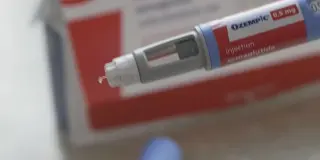
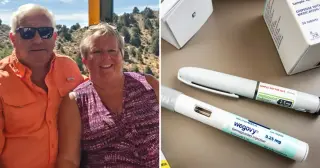
Edward Gillen, a 59-year-old Massachusetts father and former state highway worker, has filed a lawsuit against Novo Nordisk alleging that the diabetes drug Ozempic caused him to go permanently blind. Gillen, who took the medication for approximately a year to manage diabetes, reported sudden vision loss in May 2025 that progressed to total blindness by June 1. Doctors diagnosed him with nonarteritic anterior ischemic optic neuropathy (NAION), a rare condition described as a 'stroke' of the optic nerve. Gillen is part of a growing wave of over 200 lawsuits in federal court against GLP-1 manufacturers, including Novo Nordisk and Eli Lilly, claiming the drugs caused irreversible vision loss without adequate warning. While Gillen’s community is raising funds for his adaptive training, Novo Nordisk maintains that the lawsuits are without merit and that semaglutide has a well-established safety profile.

GLP-1 Makers Face Hundreds of Lawsuits Over Rare, Permanent Vision Loss
health-and-legal16 days ago

GLP-1 Makers Face Hundreds of Lawsuits Over Rare, Permanent Vision Loss

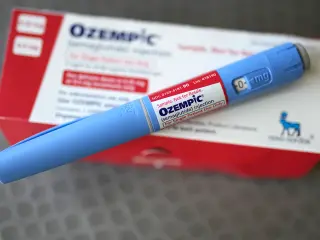
Hundreds of lawsuits have been filed against Novo Nordisk and Eli Lilly, alleging that popular GLP-1 medications like Ozempic and Wegovy cause nonarteritic anterior ischemic optic neuropathy (NAION), a rare condition resulting in sudden, permanent vision loss. While the drugmakers deny a causal link and cite robust safety data, plaintiffs argue the companies failed to warn patients of this risk. The FDA is currently investigating the potential connection, though medical experts note that even if a risk exists, the absolute probability remains extremely low.

GLP-1 Makers Face Hundreds of Lawsuits Over Rare Vision Loss
health16 days ago

GLP-1 Makers Face Hundreds of Lawsuits Over Rare Vision Loss

Hundreds of lawsuits have been filed against Novo Nordisk and Eli Lilly, alleging that GLP-1 drugs like Ozempic and Wegovy cause rare, permanent vision loss. The condition, known as NAION, is not listed on U.S. drug labels, though some countries have added warnings. While the FDA investigates the link, drugmakers deny causation, citing mixed research and the condition's low overall risk.

GLP-1 Blindness Lawsuits Surge as Novo Nordisk, Eli Lilly Deny Causation
health16 days ago

GLP-1 Blindness Lawsuits Surge as Novo Nordisk, Eli Lilly Deny Causation

Hundreds of lawsuits allege that GLP-1 weight-loss and diabetes drugs like Ozempic and Mounjaro caused permanent blindness through a rare condition called NAION. While patients and attorneys report a spike in vision-loss claims this summer, drugmakers Novo Nordisk and Eli Lilly deny any causal link, citing internal studies and existing safety data. The legal battle centers on whether the companies failed to warn patients about this risk, which is noted on labels in some countries but not in the U.S.

GLP-1 Vision Loss Lawsuits Surge as NAION Claims Mount Against Eli Lilly, Novo Nordisk
health-and-legal17 days ago

GLP-1 Vision Loss Lawsuits Surge as NAION Claims Mount Against Eli Lilly, Novo Nordisk

Hundreds of lawsuits accuse GLP-1 manufacturers of failing to warn patients about NAION, a rare condition causing sudden vision loss. While drugmakers deny causation, plaintiffs argue labels in the U.S. lack warnings present in other countries. Experts note mixed evidence, with some studies showing a slight risk increase but emphasizing that absolute risk remains low and drug benefits often outweigh potential harms.

Lawsuits Accuse GLP-1 Weight-Loss Drugs of Rare Vision Loss
health17 days ago

Lawsuits Accuse GLP-1 Weight-Loss Drugs of Rare Vision Loss

Dozens of U.S. plaintiffs allege GLP-1 drugs such as Ozempic, Wegovy and Mounjaro cause nonarteritic anterior ischemic optic neuropathy (NAION), a rare, potentially permanent loss of vision. The suits claim warnings were inadequate, with cases arising within 6–18 months of starting treatment. Novo Nordisk and Eli Lilly are contesting the claims, while regulators report mixed evidence and emphasize the overall low risk, even as the GLP-1 market faces scrutiny and potential impact from litigation.

Australia flags rare eye risk tied to GLP-1 diabetes/weight drugs
health2 months ago

Australia flags rare eye risk tied to GLP-1 diabetes/weight drugs

Australia’s TGA warns of a rare but serious eye disorder called NAION linked to GLP-1 medicines such as Ozempic, Wegovy and Mounjaro; 36 cases have been reported (23 with Ozempic/Wegovy, 10 with Mounjaro, 3 with Saxenda), prompting updated safety warnings but no prescription restrictions. Patients should seek urgent medical attention for sudden vision loss, while doctors are advised not to stop treatment without consultation. Novo Nordisk says the benefit–risk profile remains favorable given the drugs’ overall impact on diabetes and obesity.

Rare Eye Risk Prompting Safety Update on GLP-1 Diabetes and Weight Drugs
health2 months ago

Rare Eye Risk Prompting Safety Update on GLP-1 Diabetes and Weight Drugs

Australia’s Therapeutic Goods Administration warns GLP-1 receptor agonists used for diabetes and obesity (semaglutide Ozempic/Wegovy, tirzepatide Mounjaro, dulaglutide Trulicity, liraglutide Saxenda) may cause a rare eye condition called non-arteritic anterior ischaemic optic neuropathy (NAION), which can lead to permanent vision loss. Thirty-six cases have been reported in Australia; the warning follows a 2024 JAMA Ophthalmology study that found higher NAION risk with semaglutide. The TGA conducted an independent assessment and consulted experts. Optometry Australia says don’t panic, but seek urgent care if vision changes; risk factors include diabetes, sleep apnea, hypertension, and a crowded optic disc, with about 70% of NAION cases not recovering vision. WHO has endorsed GLP-1–style drugs for obesity; regular eye tests are advised and patients should inform eye doctors of their treatment. Do not stop medication without consulting a prescriber; EMA has noted NAION as a very rare side effect (up to 1 in 10,000).

Georgia Woman Alleges GLP-1 Weight-Loss Drug Led to Blindness in Multistate Lawsuit
health2 months ago

Georgia Woman Alleges GLP-1 Weight-Loss Drug Led to Blindness in Multistate Lawsuit

A Georgia woman says Wegovy caused sudden, irreversible blindness (NAION) and is part of a multi-district lawsuit against Novo Nordisk and Lilly alleging known risks were not disclosed; the companies deny a causal link and highlight ongoing safety reviews, while regulators have not yet added a US warning, and the case is expected to unfold over years.

GLP-1 Receptor Agonists: Eye Safety Generally Reassuring Despite Rare Risks
health3 months ago

GLP-1 Receptor Agonists: Eye Safety Generally Reassuring Despite Rare Risks

A Medscape commentary from ADA 2026 reviews eye safety of GLP-1 receptor agonists, noting rare associations with nonarteritic anterior ischemic optic neuropathy (NAION) and concerns about rapid worsening of diabetic retinopathy (EWDR). Real-world data and EMA updates suggest the overall benefits of GLP-1s outweigh these small ocular risks, but clinicians should ensure up-to-date retinal screening and advise patients to report visual changes; ongoing trials (eg, FOCUS) and mixed studies on neovascular AMD yield no definitive risk signal. Clinicians are encouraged to individualize care and monitor ocular health when initiating GLP-1 therapy.