
2026 Food Recalls Spike Amid Federal Budget Cuts and Surveillance Gaps
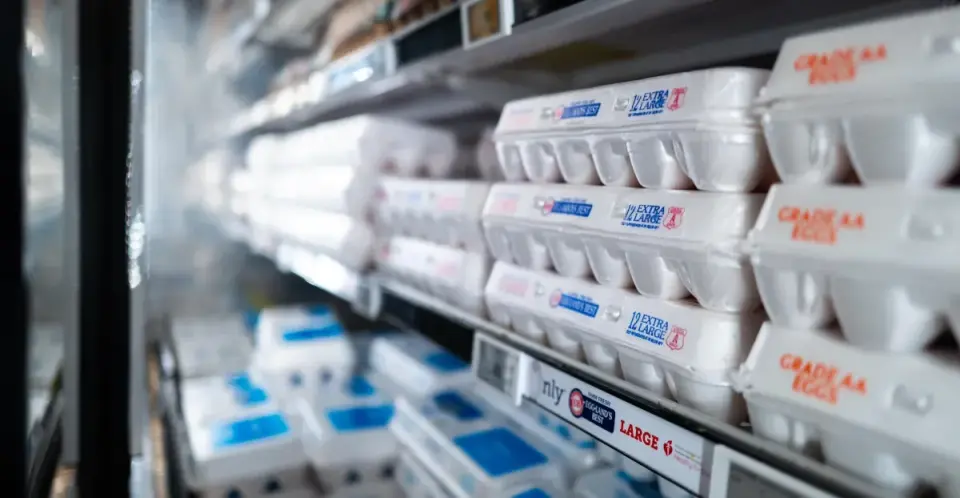
US food recalls have surged in 2026, driven by massive outbreaks of Salmonella and Cyclospora. While total recall counts are lower than 2024, the scale of individual incidents is unprecedented, sickening thousands. Experts link this to reduced FDA funding and CDC surveillance cuts under the current administration, raising concerns about 'trust fatigue' among consumers.
Key points
- Major recalls include over 1 million eggs, Taylor Farms lettuce, jalapeños, and Publix berries.
- The cyclospora outbreak linked to lettuce has sickened over 9,000 people, potentially the third-largest in US history.
- FDA budget dropped by $271 million, and over 4,300 staff were cut, impacting inspection capabilities.
- CDC reduced surveillance for pathogens like Cyclospora and Listeria, complicating outbreak tracking.
- Consumer awareness has increased, but experts warn this may lead to 'recall fatigue' and eroded trust.
Background
This follows earlier 2026 reports on public health turmoil under HHS leadership, including a measles surge and initial cyclosporiasis alerts. Previous coverage highlighted concerns about vaccination messaging and delayed responses to foodborne outbreaks, setting the stage for the current escalation in recalls and political scrutiny.
How outlets are covering it
The Verge and Health and Me emphasize the scale of outbreaks and the impact of federal budget cuts on FDA and CDC capabilities. USA Today provides a detailed list of specific recalled items, focusing on consumer action. The Verge notes that while total recall numbers are lower than 2025, the volume of affected products is higher. Health and Me highlights the political dimension, citing Senator Elizabeth Warren's criticism of the administration's response, while The Verge points to increased media coverage as a factor in public perception.
Why it matters
The combination of large-scale outbreaks and reduced regulatory oversight threatens public health and consumer confidence. If 'recall fatigue' sets in, consumers may ignore future warnings, increasing the risk of severe foodborne illnesses. The situation also highlights the vulnerability of the food supply chain to political and budgetary shifts.
What to watch
The FDA is expected to continue investigating the 2026 outbreaks, but staffing shortages may slow the process. Consumers are advised to discard recalled items and follow safe food handling practices. Political pressure may increase as lawmakers demand accountability for the administration's handling of the crisis.
- Why does it seem like food recalls are out of control this year? The Verge
- Blueberries, guacamole, granola. See list of recent food recalls USA Today
- Biggest FDA recalls of 2026: Taylor Farms, blueberries, eggs and more Yahoo
- From Dog Food To Fruit Bars: Over 10 Products Recalled In US Over Contamination Health and Me
- Food recalls suggest regulation is working — or not NewsNation
Want the full story? Read the original reporting
Read on The Verge