
Federal crackdown on 7-OH kratom products looms as states and localities tighten rules
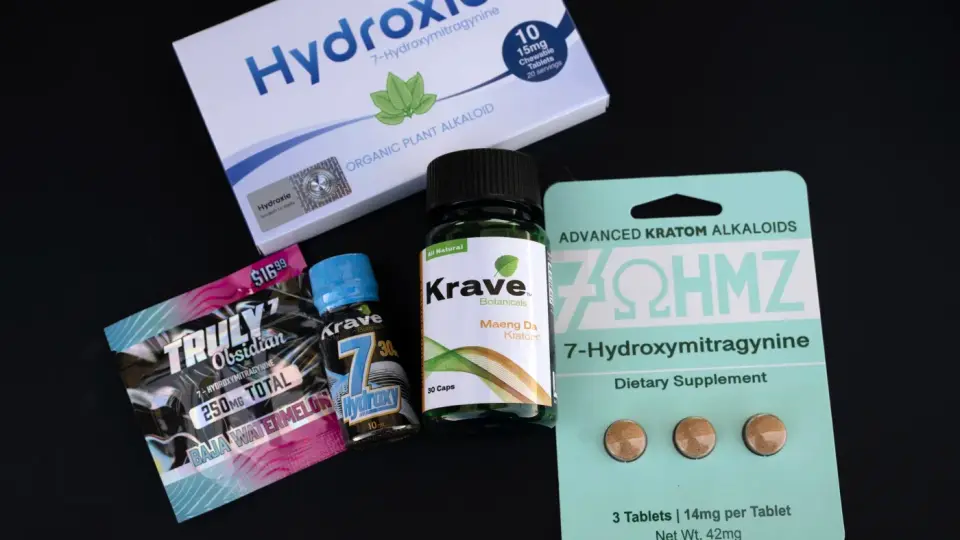
The U.S. federal government is poised to restrict concentrated 7-hydroxymitragynine (7-OH) products as early as November 13, 2026, following a recent DEA scheduling of related semi-synthetic compounds. While traditional botanical kratom remains legal, the new measures target potent derivatives sold in gas stations and smoke shops. This federal move coincides with state-level actions, including a proposed New Hampshire bill to classify kratom as a Schedule 1 drug and a Virginia task force enforcing age restrictions and labeling laws. Public health data shows a 1,200% rise in kratom-related poison calls since 2015, though advocates argue the substances help manage opioid addiction and chronic pain.
Key points
- The DEA plans to restrict high-concentration 7-OH and MGPI products, potentially effective November 13, 2026, while exempting natural botanical kratom.
- In August 2026, the DEA scheduled three semi-synthetic kratom compounds (MGM-15, MGM-16, and MGPI) as Schedule 1 drugs, triggering a lawsuit from the American Kratom Association.
- New Hampshire Senator Bill Gannon has proposed a bill to classify all kratom as a Schedule 1 drug, mirroring the federal approach to synthetic variants.
- Virginia Attorney General Jay Jones launched a Regulated Products Enforcement Unit to inspect stores and enforce a new law requiring kratom sales to be behind counters and restricted to adults 21+.
- Data from 53 U.S. poison control centers indicates a 1,200% increase in kratom-related calls between 2015 and 2025, with 233 associated deaths recorded over that decade.
- Users report varying experiences: some cite benefits for chronic pain and opioid withdrawal, while others describe severe addiction, withdrawal symptoms, and escalating tolerance.
Background
Federal attempts to restrict kratom have faced significant opposition from advocacy groups and users who view the substance as a harm-reduction tool for opioid addiction. Previous efforts stalled due to public backlash, but recent high-profile incidents, including the death of two University of Mississippi students linked to synthetic kratom pills and a toddler’s brain injury in Indiana, have intensified scrutiny. The current regulatory shift distinguishes between natural botanical kratom and concentrated semi-synthetic derivatives, aiming to balance public safety with the concerns of the kratom community.
How outlets are covering it
NPR highlights the tension between federal restrictions and user testimonials, noting that while some users like Tyler and Brian experienced severe addiction and withdrawal, others like Angela Wilson credit 7-OH with managing chronic pain without insurance coverage. NPR emphasizes that the new federal rules target high-concentration products, not traditional botanical kratom. New Hampshire Public Radio focuses on the legislative push to classify kratom as a Schedule 1 drug, similar to heroin, reflecting a stricter state-level stance. WSET underscores the public health crisis, citing a 1,200% rise in poison calls and detailing the economic and familial toll of addiction, while supporting Virginia’s enforcement efforts. The Sault Ste. Marie Police Department advisory clarifies the legal distinction between natural kratom and banned synthetic compounds, warning retailers and residents about the risks of concentrated 7-OH products and the importance of checking labels for undeclared ingredients.
Why it matters
The potential federal restriction on 7-OH products could significantly impact access to these substances for millions of users, including those relying on them for pain management or opioid recovery. The divergence between federal, state, and local regulations creates a complex legal landscape, with some jurisdictions banning all kratom while others only target synthetic derivatives. The rising number of poison calls and hospitalizations underscores the urgent need for clearer labeling and regulation, while the debate over the substance’s role in harm reduction remains unresolved.
What to watch
The DEA is expected to issue a final order on 7-OH and MGPI products by November 13, 2026, which will determine the specific concentrations and products subject to restriction. New Hampshire lawmakers will draft and debate the proposed kratom classification bill ahead of the January legislative session. Virginia’s Regulated Products Enforcement Unit will continue inspections of vape shops and gas stations to ensure compliance with age restrictions and labeling requirements. Advocacy groups and researchers will likely continue to push for more studies on kratom’s potential benefits and risks, while public health officials monitor the impact of these regulations on addiction rates and poison control calls.
- Kratom and 7-OH can feel like 'a miracle.' They can also be addictive NPR
- How One Man Escaped From an Over-the-Counter Opioid Trap WSJ
- NH lawmaker proposes bill to classify kratom as a dangerous drug, similar to heroin New Hampshire Public Radio
- 'It's very scary to think that he could die': ABC13 investigates the kratom crisis WSET
- Sault police warn residents, retailers about kratom health risks, ban SooLeader.com
Want the full story? Read the original reporting
Read on NPR