
Pennsylvania’s Act 57 Vape Ban Takes Effect, Leaving Only Six Manufacturers Approved
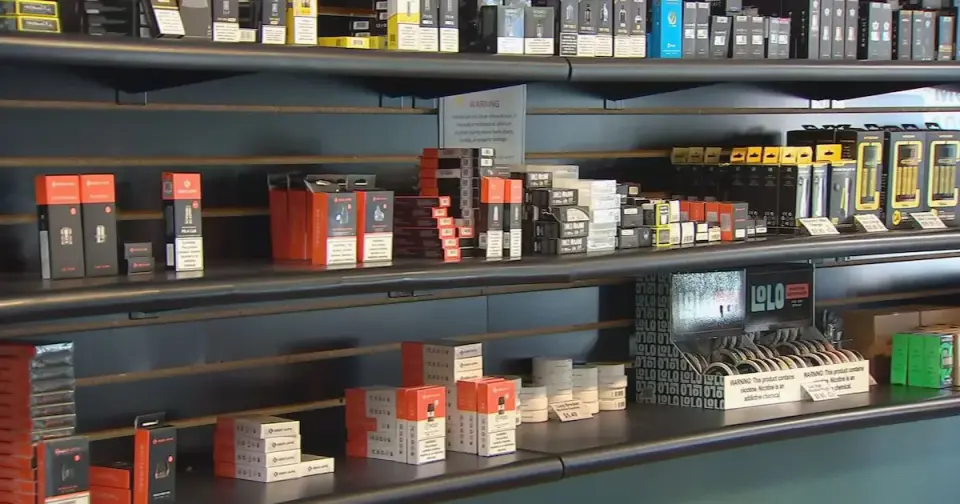
Pennsylvania’s Act 57 took effect on October 19, 2026, prohibiting the sale of most electronic nicotine delivery systems (ENDS). Only products from six manufacturers are currently approved for sale, forcing retailers to remove unlisted items to avoid fines. The law aims to reduce youth vaping but has sparked concerns about business viability and cross-border purchasing.
Key points
- Act 57 requires all vape products to be on a state registry maintained by the Attorney General to be legally sold.
- Only six manufacturers—Juul Labs, R.J. Reynolds Vapor Co., Blue Nine, Custom Technologies, NJoy, and Schwartz E-Liquid—have received approval so far.
- Retailers face a $500 fine per unapproved product for first violations, with escalating penalties and license suspension for repeat offenses.
- The law applies to both physical stores and online sales, including shipments into the state.
- Attorney General Dave Sunday emphasized that the regulation targets unapproved products to protect minors from nicotine exposure.
Background
Pennsylvania had previously lagged behind neighboring states like New York and New Jersey in tobacco control policies, receiving low ratings from the American Lung Association. This new legislation joins a growing trend of state-level registry laws aimed at curbing youth vaping, which the U.S. Surgeon General declared an epidemic in 2018. Recent Cochrane reviews have noted that regulated e-cigarettes can help adults quit smoking, but public health officials in Pennsylvania argue that restricting access to unapproved, often flavored products is necessary to reduce adolescent addiction.
How outlets are covering it
WPXI and WTAE focused on the immediate enforcement deadline and the financial penalties facing retailers, highlighting the risk of total loss for unapproved inventory. The Conversation provided a broader academic perspective, noting that while popular brands like Juul remain available, many disposable vapes are banned, and that Philadelphia consumers might travel to neighboring states to purchase restricted items. WTAE included voices from shop owners and customers who criticized the law as overly restrictive, arguing that age restrictions were sufficient, while medical experts supported the ban as a measure to reduce adolescent nicotine use. All sources agreed that the approval process is slow, with only six of 28 applicants accepted, and that many applications remain incomplete.
Why it matters
The implementation of Act 57 significantly alters the nicotine market in Pennsylvania, potentially reducing youth access to vaping products but also creating economic hardship for small businesses and driving consumers to neighboring states. The strict enforcement and escalating fines signal a strong state commitment to public health, though the limited number of approved products may lead to unintended consequences such as increased cross-border purchasing or a shift back to combustible tobacco.
What to watch
The Attorney General’s office will conduct unannounced inspections and targeted enforcement to ensure compliance. Manufacturers with incomplete applications are expected to follow up, potentially expanding the approved list. Philadelphia City Council has introduced a bill to amend zoning laws, which could further restrict new tobacco and vape shops in the city. Consumers and businesses will likely monitor the enforcement timeline and the final list of approved products, while neighboring states may see increased demand for banned items.
- Most vapes, e-cigarettes now illegal to sell in Pennsylvania WPXI
- New vape shop law takes effect in Pennsylvania 6abc Philadelphia
- Most vape products will become illegal in Pennsylvania after midnight deadline WPXI
- Many vapes and e-cigarettes are now banned in Pennsylvania – here’s what Philly consumers and businesses need to know The Conversation
- Pennsylvania smoke shops must remove unapproved nicotine products by today WTAE
Want the full story? Read the original reporting
Read on WPXI