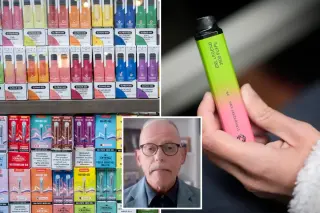
The FDA implemented a policy shift to allow more e-cigarettes and nicotine pouches onto the U.S. market, a move that regulators say blindsided staff and critics who warn it could weaken oversight and public health protections, potentially increasing youth access to vaping products.
The FDA granted its first authorization for fruit-flavored e-cigarettes intended for adults who want to quit or cut back on smoking, marking a notable policy shift tied to the Trump administration; the Mango, Blueberry and two menthol varieties from Glas Inc. will require government ID age-verification and a Bluetooth connection to the user's device, a setup aimed at reducing youth access, while health groups warn that flavors still drive teen vaping and critics question whether the risk–reduction rationale outweighs youth appeal.
Dr. Marty Makary is leaving as FDA commissioner, the fourth high-profile Trump-era departure this year; his tenure coincided with the FDA authorizing fruit-flavored vapes for adults and GOP pressure over a promised safety review of the abortion drug mifepristone, with reports that Makary asked officials to delay the review until after the midterms.
The White House authorized plans to remove FDA Commissioner Marty Makary after a year of clashes with HHS leadership, industry groups, and policy fights such as fruit-flavored vaping pods; despite earlier signals of presidential backing, the move gained momentum as replacement candidates emerged and a Senate confirmation would be required for a permanent successor.
FDA Commissioner Marty Makary is under intense political pressure after he initially blocked, then approved, fruit-flavored vapes that use an ID‑verifying age gate—an action Trump pressed him to take. The move, which led to the Wednesday approval of flavors like Blueberry and Mango, has drawn attacks from anti-abortion activists, some administration officials, and vaping advocates, highlighting intra‑White House tensions as Makary juggles Trump’s agenda with staffing and policy controversies.
The FDA approved Glas Inc.'s fruit-flavored e-cigarette pods—the first such authorizations for fruit flavors—citing age-verification tech and marketing restrictions aimed at limiting youth access; the decision comes amid reported administrative pressure from the Trump administration and ongoing debates about vaping's role in helping adults quit smoking, with regulators pledging to monitor impact on youth and ensure benefits for adult smokers.
The FDA granted the first authorization for fruit-flavored disposable e-cigarettes intended for adults seeking to quit or reduce smoking. Glas Inc. will market mango, blueberry and two menthol variants, with age-verification via government ID and Bluetooth linking to a verified user’s phone. The agency stressed this is not an endorsement and emphasizes monitoring for youth access, reflecting ongoing flavor-policy tensions even as teen vaping declines.
The FDA granted the first authorization for fruit-flavored e-cigarettes intended for adult smokers, a major policy shift pressured by the vaping industry during the Trump era. The Glas Inc. devices come in mango, blueberry and two menthol varieties and require age verification via government ID and Bluetooth linkage to the user’s phone. The agency says the products are for adults looking to quit or cut back on cigarettes, not an endorsement, and will monitor marketing and usage closely, with the possibility of suspension if youth uptake increases or benefits no longer outweigh risks. The move contrasts with Biden-era crackdowns that denied many flavor applications, and it comes amid ongoing debate about flavors fueling teen vaping despite declining youth usage.
The FDA authorized the first fruit-flavored e-cigarettes for adults 21+, approving Glas devices in Mango, Blueberry and two menthol flavors under strict age-verification and device-access rules designed to curb youth use. The decision marks a departure from years of flavor crackdowns and comes amid political pressure from Trump to support vaping; public-health groups warn it could boost teen use, while proponents say it may help some adult smokers quit. The agency will monitor marketing and youth access and has tied advertising to adults only and Bluetooth age-verification.
The FDA has authorized the first fruit-flavored e-cigarette for sale to adults, a milestone in the agency's premarket tobacco product approvals that underscores balancing adult access with ongoing efforts to curb youth vaping.
President Donald Trump allegedly upbraided FDA Commissioner Marty Makary for not moving quickly enough to approve flavored vapes, putting him on 'thin ice' as advisers weigh the administration’s vaping agenda; Makary had previously balked at approving certain fruit flavors and discussed pivoting away from a hard-line stance, though it’s unclear if he’ll change course. If fired, he’d join other high-profile ousters; flavored cartridge vapes have been FDA-banned since 2020 and many states have expanded bans.
President Donald Trump pressed FDA Commissioner Marty Makary to move faster on approving flavored vaping products, according to WSJ sources. Advisers reportedly described Makary as a hurdle to Trump’s push to “save” vaping, amid years of FDA caution that has permitted only about 41 vape products so far (all tobacco or menthol flavors) and a stringent evidentiary burden for flavors that appeal to youth. It remains unclear whether Makary will change course.
A Washington Post Well+Being column reviews evidence linking vaping to cancer risk, explaining that while some studies suggest a cancer risk from e-cigarettes and their aerosols, definitive proof of causation is lacking; experts caution that vaping exposes users to potentially harmful substances and may not be safer than smoking.
A 22-year-old woman, Kayley Boda, began vaping at 15 and was diagnosed with stage-three lung cancer at 21. After initial surgery to remove half a lung and a difficult chemotherapy, cancer returned in the lungs’ pleural lining with a pleural effusion, and doctors say she has about 18 months to live. She has stopped vaping, is urging others to quit, and her family is fundraising for experimental treatment in Germany to extend her life.
Britain's Tobacco and Vapes Bill clears Parliament to create a smoke-free generation: anyone born after 2008 will never be allowed to buy tobacco, with the legal purchase age rising by one year each year from 2027; vaping restrictions in public spaces and branding controls are introduced, while officials say the measure will save lives and reduce NHS costs—though some groups argue for stronger stop-smoking support.