
2026 Food Safety Crisis: Massive Illness Outbreaks Amidst Record Staffing Cuts
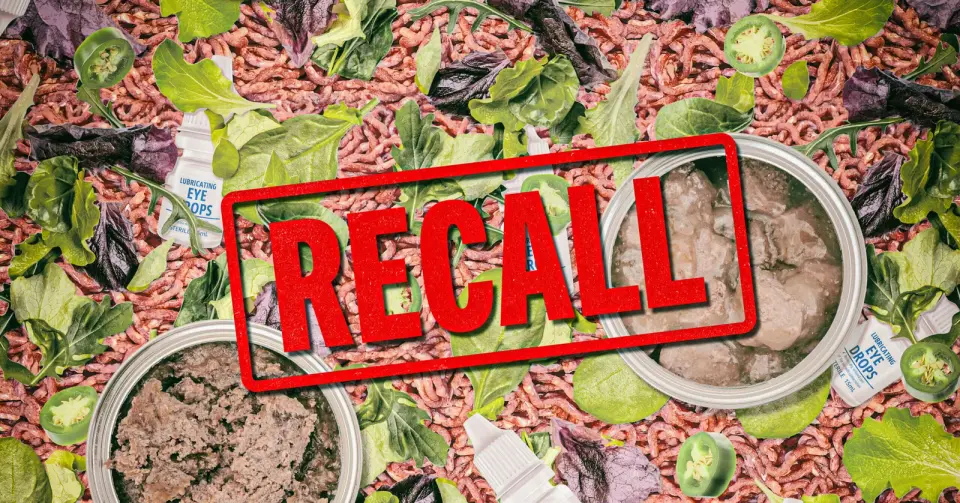
The United States is experiencing a severe food safety crisis in 2026, characterized by a historic cyclospora outbreak that has sickened over 17,000 people across 48 states. While the FDA reports fewer total recalls than in previous years, experts and public health advocates argue that this decline is a result of reduced surveillance and workforce cuts rather than improved safety. The crisis is compounded by a controversial presidential decision to import tariff-free foreign beef, which has sparked concerns about product quality and market stability.
Key points
- The 2026 cyclospora outbreak is the third largest in U.S. history, with over 17,000 confirmed cases, 450 hospitalizations, and two deaths since May.
- The FDA has classified approximately 860 food recalls through August 2026, a figure that is 15% below the five-year average and 29% below the 10-year average.
- The FDA and CDC have lost nearly 4,000 employees due to DOGE-directed layoffs, significantly reducing the capacity for food safety inspections and pathogen surveillance.
- President Trump announced a deal to allow 300,000 metric tons of foreign beef into the U.S. tariff-free, a move that has caused 'chaos' in the cattle market and raised questions about the origin of the meat.
- Major recalls have affected a wide range of products, including jalapeños, alfalfa sprouts, eggs, frozen blueberries, and Outshine fruit pops, with some items containing foreign objects like glass or nails.
Background
This crisis follows a period of significant federal workforce reductions in health and safety agencies. Previous coverage in August 2026 indicated that the cyclospora outbreak linked to Taylor Farms was beginning to wind down as recalled products were removed from shelves. However, the current situation shows that the impact of the outbreak has been far more widespread and severe than initially reported, with illness numbers continuing to climb. The current food safety landscape is also influenced by broader trends in the food industry, including private equity ownership of major brands and a shift toward cost-saving measures that have led to changes in product quality, as seen in recent admissions by fast-food chains like Wendy's and Burger King.
How outlets are covering it
The Ringer and Vox emphasize the human impact of the crisis, highlighting the unprecedented number of people sickened by the cyclospora outbreak and the resulting anxiety among consumers. They point to the consolidation of the food supply chain, where a single company like Taylor Farms supplies a large percentage of the nation's salad kits, as a key factor in the widespread nature of the contamination. In contrast, the FDA and the Trump administration argue that the number of food recalls is at a decade low, suggesting that the food supply is safer than it appears. USA Today and public health experts like Robert Custard and Sandra Eskin counter this by arguing that the decline in recalls is a direct result of reduced surveillance and testing, not an improvement in food safety. They contend that fewer recalls mean fewer problems are being detected, not that there are fewer problems. The Ringer also highlights the political dimension of the crisis, noting the controversy surrounding the president's decision to import foreign beef, which has been criticized by the American Farm Bureau Federation for creating 'apprehension and chaos' in the cattle market.
Why it matters
This crisis has significant implications for public health, consumer confidence, and the future of the U.S. food system. The high number of illnesses and hospitalizations underscores the direct impact of food safety failures on the population. The controversy over the FDA's recall data and the role of government staffing cuts in food safety will likely lead to increased scrutiny of federal health agencies and their ability to protect the public. The political debate over foreign beef imports could have long-term effects on the U.S. cattle industry and trade relationships. Ultimately, this crisis highlights the fragility of the modern food supply chain and the importance of robust regulatory oversight and public health infrastructure.
What to watch
The FDA and CDC are expected to continue investigating the cyclospora outbreak and other foodborne illness clusters. The administration's decision on foreign beef imports will likely face further legal and political challenges, with the American Farm Bureau Federation and other industry groups pushing back against the policy. Public health experts are likely to call for increased funding and staffing for food safety agencies to improve surveillance and inspection capabilities. Consumers may continue to face a high level of anxiety and uncertainty about the safety of their food, leading to changes in shopping and eating habits. The long-term impact of the crisis on the food industry and public health policy will depend on the outcomes of these investigations and the political response to the situation.
- So, What Food Is Actually Safe to Eat These Days? The Ringer
- Are food recalls increasing under RFK? What the data reveals. USA Today
- E. coli, Salmonella, Cyclospora: Is the U.S. Seeing a Surge in Foodborne Illnesses? Time Magazine
- LIST: Here's all the food under recall in the US WUSA9
- The surprising reason food recalls are getting worse vox.com
Want the full story? Read the original reporting
Read on The Ringer