
MAHA influencers build lucrative wellness empires on dubious products, Post investigation finds
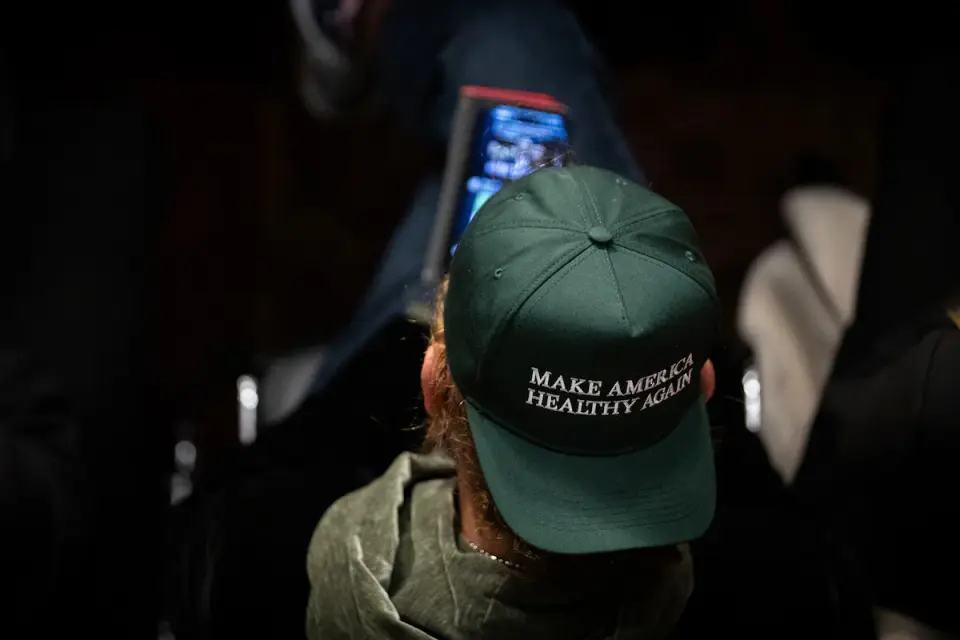
A Washington Post investigation reveals that influencers associated with the Make America Healthy Again (MAHA) movement have aggressively commercialized their platforms, promoting hundreds of products with questionable safety records. The report highlights a surge in sponsored content, with some figures promoting items containing lead or failing military safety standards, while others market alternative cancer treatments and 'vaccine detox' kits. Although the movement’s political prominence may wane, these influencers have built durable business models that monetize public distrust of mainstream medicine.
Key points
- The Post analyzed 18 MAHA-aligned influencers whose Instagram followings grew by at least 50% between August 2024 and June 2026, finding that all but one promoted commercial products.
- Promotions for these figures increased from 257 brands in early 2024 to 795 in early 2026, indicating a shift from political advocacy to revenue generation.
- At least 14 promoted brands contain lead levels warranting special labeling under California law, and 15 products would likely fail the Defense Department’s Operation Supplement Safety test.
- Influencers have marketed risky items, including colloidal silver for children, 'vaccine detox' supplements, and alternative cancer treatments, despite warnings from medical experts.
- The FTC fined one promoted company, TruHeight, $750,000 for falsely claiming its supplements could make children taller, while others face lawsuits or regulatory scrutiny.
Background
The Make America Healthy Again (MAHA) movement, championed by Health Secretary Robert F. Kennedy Jr., has gained significant political traction since 2024. While earlier coverage focused on the movement’s policy goals regarding food and vaccines, this investigation highlights the commercial infrastructure being built by its supporters. Key figures like Casey Means, Nicole Shanahan, and Del Bigtree have leveraged their proximity to the administration to expand their reach, creating a parallel economy of wellness products that operates independently of traditional regulatory oversight.
How outlets are covering it
The Washington Post and the secondary source, cwibc.co.id, align on the core findings regarding the scale of commercialization and specific product risks. However, the Post provides granular details on individual figures, such as Alex Clark’s promotion of 'Microplastic Daily Detox' and Carly Brown’s advocacy for coffee enemas, while the secondary source offers a broader summary of the trend. Both sources note that HHS spokeswoman Emily Hilliard clarified that Kennedy’s leadership does not constitute a blanket endorsement of every influencer’s commercial activity. The Post also includes direct responses from figures like Del Bigtree, who claims to 'sell the truth' rather than products, and Courtney Swan, who rejects the 'influencer' label, adding nuance to the narrative of monetization.
Why it matters
This investigation underscores a potential public health risk as political movements intersect with the unregulated supplement industry. By building durable business models, these influencers may continue to influence consumer behavior and erode trust in conventional medicine even if the MAHA movement loses political momentum. The findings highlight the need for stricter oversight of health claims made by high-profile figures and the potential for long-term harm from products that bypass standard safety certifications.
What to watch
Regulatory bodies, including the FTC and FDA, may face increased pressure to scrutinize health claims made by influencers associated with political movements. Consumers may need to rely more heavily on third-party certifications and scientific evidence when evaluating wellness products. The legal outcomes of pending lawsuits against promoted companies, such as Boiron, will also set precedents for the accountability of alternative medicine marketers.
Want the full story? Read the original reporting
Read on The Washington Post