
FDA Escalates 19-Million Egg Recall to Class I After 98 Illnesses
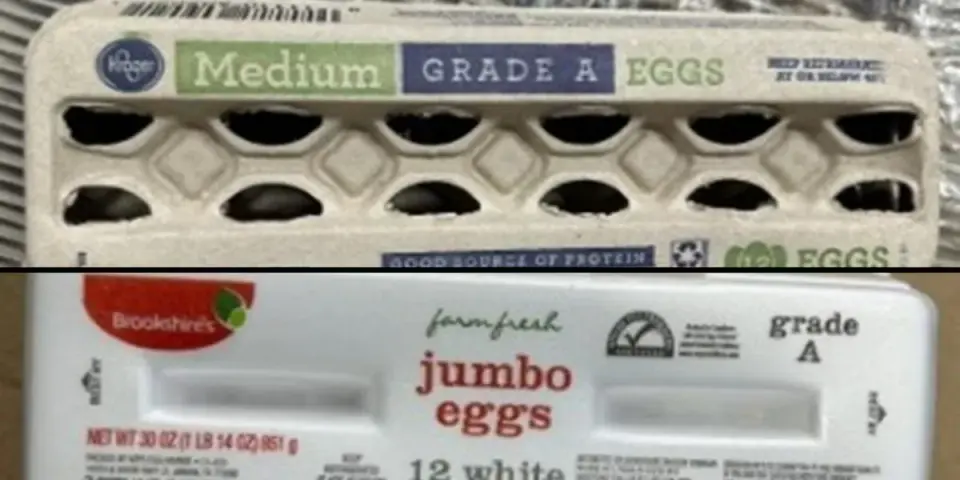
The FDA has upgraded a massive egg recall to its highest-risk Class I level due to salmonella contamination. The recall covers approximately 19 million eggs (1.5 million dozen) distributed across six states, linked to 98 illnesses and 26 hospitalizations. Consumers should discard or return affected eggs with sell-by dates between July 20 and August 17.
Key points
- The FDA designated the recall as Class I, indicating a reasonable probability of serious health consequences or death.
- Midwest Poultry Services, based in North Manchester, Indiana, initiated the recall in July 2026.
- The affected eggs were sold under brands including Kroger, Brookshire’s, Simple Truth, and Country Morning.
- Distribution occurred in Texas, Louisiana, Oklahoma, Arkansas, New Mexico, and Mississippi.
- Symptoms of salmonella include fever, diarrhea, and abdominal pain, with higher risks for vulnerable groups.
Background
This recall follows earlier FDA warnings in August 2026 regarding the same batch of eggs. Previous reports noted similar illness counts and distribution details, confirming the ongoing nature of the outbreak. The current update reflects the formal escalation to the highest risk category.
How outlets are covering it
Both 13ABC and CBS News report on the FDA’s Class I upgrade, citing similar illness and hospitalization figures. 13ABC emphasizes the specific brands and states involved, while CBS News highlights the initial recall date in July and the broader context of salmonella outbreaks, including a separate Taylor Farms recall. Both sources agree on the severity and the need for consumer action.
Why it matters
The Class I designation signals a critical public health risk, urging immediate consumer action to prevent further illness. The widespread distribution and high hospitalization rate underscore the potential for severe consequences, particularly for vulnerable populations.
What to watch
Consumers should check carton codes and sell-by dates, discard or return affected eggs, and monitor for symptoms. The FDA may issue further updates as the investigation continues.
- FDA upgrades massive egg recall to highest-risk warning over salmonella concerns WTVG
- FDA upgrades egg recall linked to salmonella to highest health risk level CBS News
- FDA puts Texas egg recall in highest-risk category. What to know Austin American-Statesman
- Millions of eggs recalled as FDA issues highest risk warning Newsweek
- F.D.A. Classifies Egg Recall as Class I, for Highest Health Risk The New York Times
Want the full story? Read the original reporting
Read on WTVG