
FDA Upgrades Texas Egg Recall to Highest Risk Level Amid Salmonella Outbreak
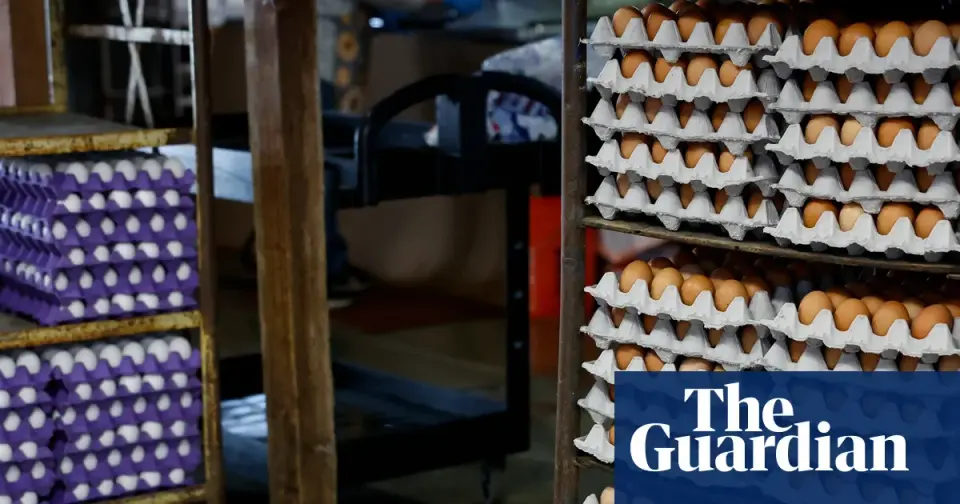
The FDA has elevated a massive egg recall to its highest-risk category, Class I, after nearly 100 people across 17 states fell ill from salmonella. The recall covers approximately 1.6 million dozen cage-free eggs produced by Midwest Poultry Services in Texas, with best-by dates extending through August 17. While 26 people were hospitalized, no deaths have been reported. The agency urges consumers to discard or return affected products, which were sold at major retailers including Kroger and Brookshire Grocery across the US South and Southwest.
Key points
- FDA reclassified the recall to Class I on August 12, 2026, citing a reasonable probability of serious health consequences or death.
- The outbreak has sickened at least 98 people across 17 states, with 26 hospitalizations reported between November 21, 2025, and June 30, 2026.
- Midwest Poultry Services identified the contamination through environmental monitoring and ceased distributing fresh eggs from its Texas farms by July 22.
- Affected eggs were sold under brands including Kroger, Simple Truth, Brookshire’s, Country Morning, and SunUps, with specific date codes P-1950 or 0840962.
- The recall covers white and brown cage-free eggs with sell-by or best-by dates ranging from July 20 to August 17, 2026.
Background
This recall follows a series of food safety crises in the US, including a cyclosporiasis outbreak linked to lettuce that has surpassed 13,000 confirmed cases and a separate salmonella outbreak involving jalapeños. The FDA recently announced changes to ingredient notification rules, though critics argue these fall short of the administration’s promises to overhaul food regulations. Earlier reports in July 2026 indicated the recall was voluntary and had not yet resulted in reported illnesses, but subsequent data confirmed the outbreak's scale.
How outlets are covering it
The Guardian and The Washington Post both confirm the FDA’s elevation of the recall to Class I and the involvement of Midwest Poultry Services. The Guardian emphasizes the broader context of food safety crises under the Trump administration, including the cyclosporiasis and jalapeño outbreaks. The Washington Post provides specific consumer guidance, listing brand names and date codes to help identify affected products. Both outlets agree on the number of illnesses (98) and hospitalizations (26), but The Guardian notes the recall was reclassified on August 12, while The Washington Post highlights the August 14 safety alert.
Why it matters
The Class I designation signals the highest level of risk, indicating that exposure to the recalled eggs could cause serious adverse health consequences or death. This underscores the importance of consumer vigilance and the need for robust food safety regulations. The outbreak highlights vulnerabilities in the egg supply chain and the potential for widespread contamination, even when producers implement proactive monitoring practices.
What to watch
The FDA and CDC will continue investigating the outbreak to identify other possible sources of contamination. Consumers are advised to discard or return affected eggs for a refund. The FDA may further update its regulatory framework in response to ongoing food safety concerns, though current changes are seen as insufficient by some critics.
- Massive egg recall in US south and south-west due to salmonella outbreak The Guardian
- FDA upgrades egg recall to highest risk level as salmonella sickens dozens across several states Fox Business
- Check Your Carton: FDA Elevates Egg Recall to Highest Level After Salmonella Outbreak inc.com
- 1.5 million dozen recalled eggs receive FDA’s highest-risk warning The Washington Post
- F.D.A. Classifies Egg Recall as Class I, for Highest Health Risk The New York Times
Want the full story? Read the original reporting
Read on The Guardian