
US Housing Hits Record Lows as Fed Weighs Further Rate Hikes
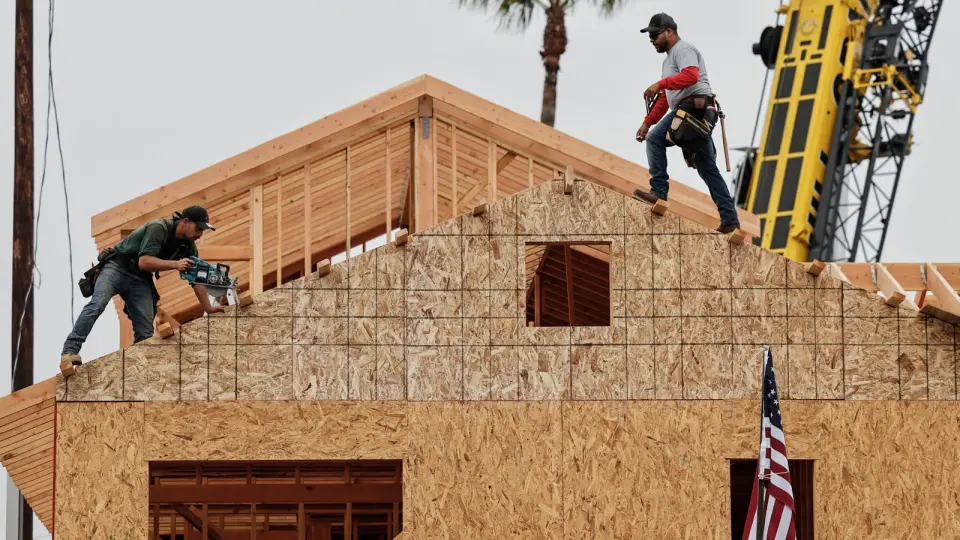
US housing data deteriorated sharply in September, with pending sales hitting an all-time low and new construction falling below expectations. This slump coincides with persistent inflation and rising mortgage rates, creating a complex dilemma for the Federal Reserve, which is expected to hold rates steady next week but may hike again in December and March 2027.
Key points
- Pending home sales fell 7.3% in September, reaching a record low since 2001, far exceeding the expected 0.4% decline.
- Privately owned housing starts dropped 5.2% month-over-month, while single-family building permits hit their lowest level since 2023.
- The 30-year mortgage rate ended September near 7.6%, up from approximately 3% five years ago, severely impacting affordability.
- Wholesale final demand goods prices rose 2.6%, the fastest pace since December 2009, complicating the Fed's inflation fight.
- Goldman Sachs forecasts residential investment to decline over the next three quarters, with existing home sales potentially 26% below 2019 levels by 2027.
Background
The Federal Reserve raised its benchmark rate to 3.75%-4.00% in September 2026, marking the first increase since 2023. This move followed a period where 10-year Treasury yields surpassed 5% and mortgage rates climbed to their highest levels since early 2025. The central bank has emphasized that inflation remains too high, with Chair Kevin Warsh signaling potential further hikes later in the year despite market sell-offs and political pressure to cut rates.
How outlets are covering it
CNBC highlights the conflict between a slumping housing market and persistent inflation, noting that the Fed may prioritize price stability over housing weakness. Economist Chris Rupkey warns of a 'deep freeze' in housing unless policy shifts. In contrast, NAR chief economist Lawrence Yun suggests mortgage rates may be topping out, implying buyers might wait for better conditions. Goldman Sachs economist Ronnie Walker expects affordability headwinds to dominate in 2027, suppressing activity. Yahoo Finance, while containing technical errors in the provided text, aligns with the report of pending sales hitting record lows, reinforcing the severity of the downturn.
Why it matters
The housing slump threatens to drag down broader economic activity, as home purchases and construction are significant components of GDP. Rising mortgage costs are straining consumers, potentially leading to reduced spending in other sectors. For the Federal Reserve, the tension between controlling inflation and preventing a housing collapse complicates monetary policy decisions, with potential hikes in late 2026 and early 2027 risking further economic slowdown.
What to watch
Markets expect the Fed to hold rates steady at its next meeting, but futures pricing suggests a strong chance of a quarter-point hike in December 2026 and another in March 2027. If mortgage rates continue to rise, existing home sales may decline further, and new construction could fall below current forecasts. The outcome will depend on whether inflation cools sufficiently to allow for rate cuts or if the Fed maintains a restrictive stance to combat persistent price pressures.
- Housing is flashing warning signs just as the Fed weighs more interest rate hikes CNBC
- September data shows housing market in a deep freeze CNBC
- US pending home sales tumble to record low in September Yahoo Finance
- Why Americans have stopped buying new homes The Economist
- US Pending Home Sales Fall to Record Low as Mortgage Rates Rise Bloomberg.com
Want the full story? Read the original reporting
Read on CNBC