
FDA Escalates Texas Egg Recall to Highest Risk Level Amid 98-Case Outbreak
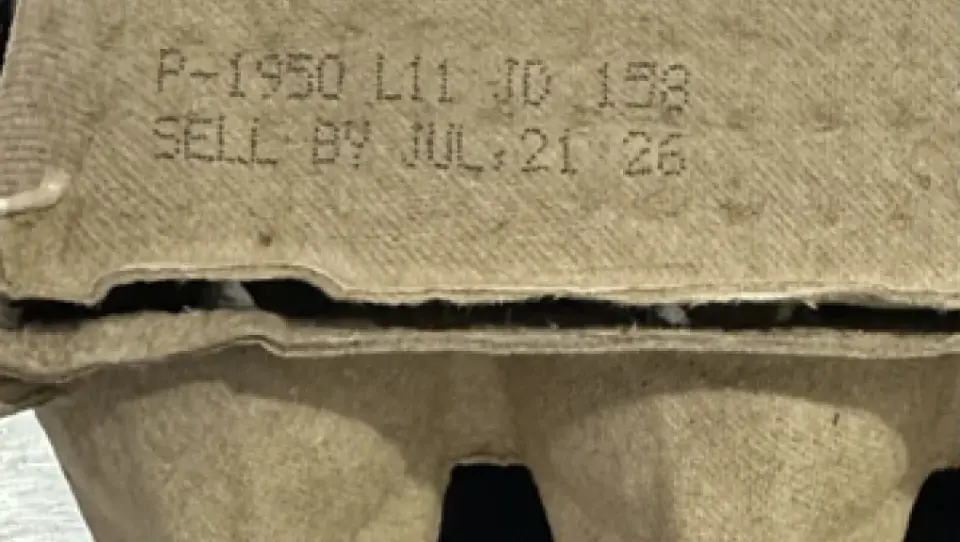
The FDA has upgraded a recall of nearly 1.6 million dozen eggs to Class I, its highest risk level, after a salmonella outbreak sickened 98 people across 17 states. Produced by Midwest Poultry Services in Texas, the cage-free eggs were sold at Kroger and Brookshire stores in the South and Southwest. While the company halted distribution in July, the recalled products remain on shelves until August 17, prompting officials to urge consumers to discard any eggs with sell-by dates between July 20 and August 17.
Key points
- FDA reclassified the recall to Class I on August 12, 2026, indicating a reasonable probability of serious health consequences or death.
- The outbreak has sickened 98 people across 17 states, with 26 hospitalizations reported; no deaths have been confirmed.
- Midwest Poultry Services identified the contamination through environmental monitoring and stopped distributing fresh eggs from its Texas farms by July 22.
- Recalled eggs were sold at Kroger and Brookshire Grocery locations in Texas, Oklahoma, Arkansas, Louisiana, Mississippi, and New Mexico.
- Consumers are advised to discard eggs with sell-by or best-by dates between July 20 and August 17, as these dates extend beyond the initial distribution halt.
Background
This escalation follows earlier reports in July 2026 that Midwest Poultry Services voluntarily recalled over 1.5 million dozen eggs due to potential salmonella contamination. At that time, no illnesses had yet been linked to the product, and the recall was limited to specific retail chains in the South and Southwest. The current update confirms that the contamination led to a widespread outbreak, marking a significant shift from a precautionary measure to a confirmed public health crisis.
How outlets are covering it
KOCO focused on the immediate impact in Oklahoma, highlighting the FDA’s classification of the recall and advising local consumers to discard affected eggs. The Guardian provided a broader national context, detailing the 98 cases across 17 states and noting the FDA’s Class I designation. It also connected the event to a wider pattern of food safety issues in the US, including a separate cyclosporiasis outbreak. Yahoo’s source was largely inaccessible due to technical errors, offering no substantive new information beyond the headline confirmation of the outbreak’s scale.
Why it matters
The reclassification to Class I signals a severe public health threat, requiring immediate consumer action to prevent further illness. The extended sell-by dates mean contaminated eggs remain available in stores for weeks after the producer stopped shipping them, creating a prolonged risk window. This incident also highlights ongoing challenges in US food safety regulation, as the FDA navigates multiple concurrent outbreaks and regulatory adjustments.
What to watch
The FDA and CDC will continue investigating the root cause of the contamination at Midwest Poultry Services. Consumers should check their egg cartons for the specified sell-by dates and discard any matching products. The company may face further regulatory scrutiny or penalties depending on the outcome of the investigation into its environmental monitoring practices.
- Eggs distributed in Oklahoma linked to salmonella outbreak KOCO
- Massive egg recall in US south and south-west due to salmonella outbreak The Guardian
- Salmonella Outbreak Linked to Recalled Eggs Sickens Dozens Across 17 States Yahoo
- F.D.A. Classifies Egg Recall as Class I, for Highest Health Risk The New York Times
- FDA upgrades egg recall to highest risk level as salmonella sickens dozens across several states Fox Business
Want the full story? Read the original reporting
Read on KOCO