
Study Reveals 85% of Personal Care Items Contain Unlabeled Toxic Chemicals
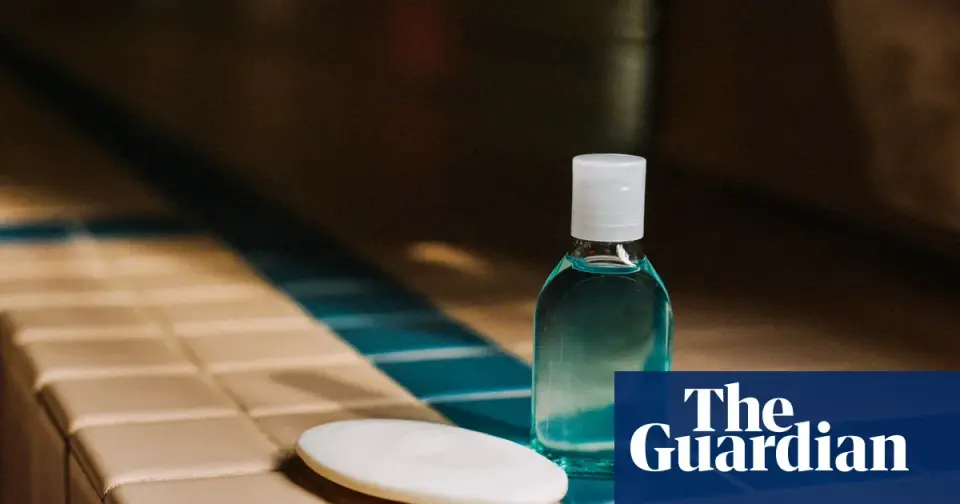
A peer-reviewed study testing 113 personal care and cleaning products from major US retailers found that 85% contained at least one unlabeled toxic chemical. The average product contained over three times the number of chemicals listed on its label, with many items containing multiple carcinogens or hormone disruptors. Even 26% of products marketed as 'eco', 'green', or 'natural' contained dangerous compounds, including synthetic chemicals in '100% natural' items and phthalates in 'phthalate-free' goods. Researchers attribute these findings to illegal additions, unintended chemical reactions, or leaching from plastic packaging. The study highlights a critical gap in US regulatory frameworks, which currently assume products are safe unless proven harmful, rather than requiring pre-market testing. Lead author Jenna Hua of Million Marker described the results as shocking, noting that consumers cannot verify product safety without lab access. The findings call for mandatory testing and stricter oversight to ensure everyday goods are safe, particularly for small businesses that may unknowingly use contaminated raw materials.
Key points
- Testing of 113 items from retailers like Target and Amazon revealed 85% contained unlabeled toxic chemicals, with an average of 51 unlisted chemicals per product.
- Detected substances included phthalates, parabens, PFAS, and formaldehyde, which are linked to cancer, neurological disease, and reproductive harm.
- 26% of products labeled as 'eco', 'green', or 'natural' contained at least one dangerous compound, contradicting their marketing claims.
- The US regulatory system assumes chemicals are safe unless evidence of harm exists, unlike systems that require pre-market safety testing.
- Researchers recommend avoiding products with 'fragrance' or 'parfum' and choosing items with less plastic packaging to reduce exposure to toxic plasticizers.
Background
This finding aligns with earlier coverage from August 2026, which reported similar results from a study of 113 products, noting that 98% contained unlisted ingredients and that oral-care products were an exception due to stricter OTC drug regulations. The current report expands on these findings by emphasizing the prevalence of misleading 'natural' labels and the specific challenges faced by small businesses in verifying supply chain purity. It also connects to broader concerns about chemical exposure, such as the August 2026 study linking proximity to dry cleaners with Parkinson's disease, highlighting the systemic issues in regulating chemical safety in consumer environments.
Why it matters
The study exposes a fundamental flaw in consumer protection, where labeling does not guarantee safety. With 85% of tested products containing hidden toxicants, consumers are exposed to potential health risks without their knowledge. This undermines trust in 'natural' and 'eco' marketing claims and highlights the need for mandatory pre-market testing. The findings also raise questions about the liability and safety of small businesses that may be victims of contaminated supply chains, suggesting that regulatory reform is necessary to level the playing field and protect public health.
What to watch
Researchers are calling for stricter oversight, including mandatory testing of finished products to ensure they match their labels. Million Marker is actively fundraising to conduct more testing, while public health groups like Silent Spring continue to advocate for a shift from a 'safe unless proven harmful' regulatory approach to one that requires proof of safety before market release. Consumers are advised to use resources like the Environmental Working Group’s Skin Deep database and to avoid products with vague 'fragrance' labels to minimize exposure.
Want the full story? Read the original reporting
Read on The Guardian