
New Study Reveals Pervasive Heavy Metals and Plastics in Top Cat Foods
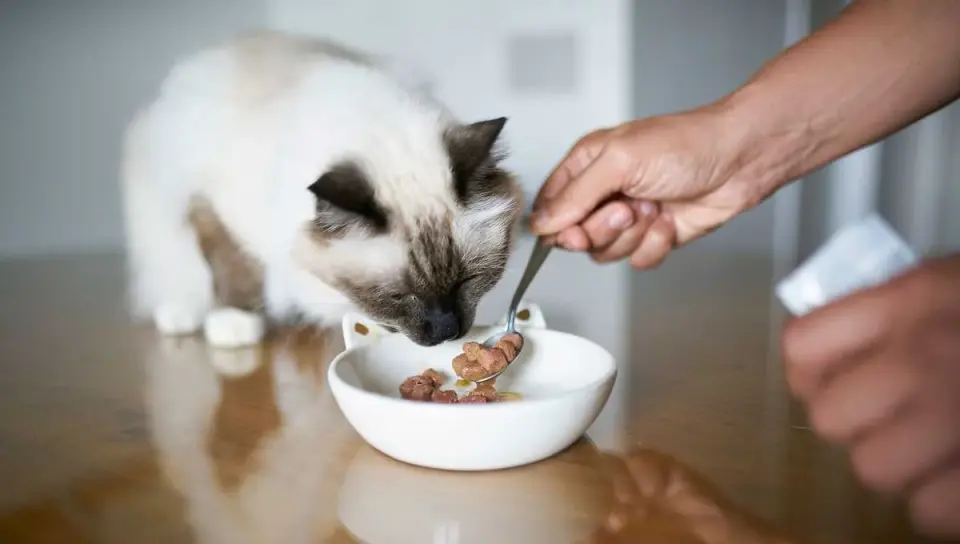
A new investigation by the Clean Label Project found that nearly all top-selling cat foods contain toxic contaminants, including lead, mercury, arsenic, and plastic chemicals. Lead was detected in 99% of samples, while cadmium and arsenic appeared in 96% and 94% respectively. Fish-based foods showed significantly higher mercury levels, and dry food contained more lead than wet or air-dried options. Experts warn that chronic exposure may accumulate in cats, potentially contributing to kidney disease, though the industry argues current safety protocols ensure product safety.
Key points
- Lead was found in 99% of 100 tested cat food samples, with cadmium in 96% and arsenic in 94%.
- Fish and seafood-based cat foods contained mercury levels approximately 18 times higher than those with other proteins.
- Dry cat food contained roughly three times more lead than wet or air-dried products.
- Glyphosate, a widely used herbicide, was detected in 37% of products, with higher levels in foods containing more plant ingredients.
- The plastic chemical DEHP was found in about half of the tested products, particularly in canned and pouch formats.
Background
This report follows a similar February assessment of dog food that found heavy metal levels three to 13 times higher than in human food. It also follows a recent recall of Fromm dog food due to metal contamination and studies showing that reducing plastic contact can lower urinary levels of plastic-associated chemicals in humans.
Why it matters
Cats are small animals that absorb contaminants more readily than larger pets, and chronic exposure to heavy metals like lead and mercury can damage organs and contribute to diseases such as kidney failure. The findings suggest that premium or 'natural' labels do not guarantee purity, prompting owners to vary diets and inquire about manufacturer testing standards to mitigate long-term health risks.
What to watch
Pet owners are advised to rotate proteins, avoid dry food for lower lead exposure, and check ingredient lists for hidden seafood or plant components. Experts recommend contacting manufacturers to verify testing protocols, while industry groups maintain that existing quality assurance programs ensure safety despite the lack of specific regulatory standards for pet food contaminants.
Want the full story? Read the original reporting
Read on WCVB